


Dubai International Content Market 2026 Connects Global Film, TV and Streaming Buyers in Dubai
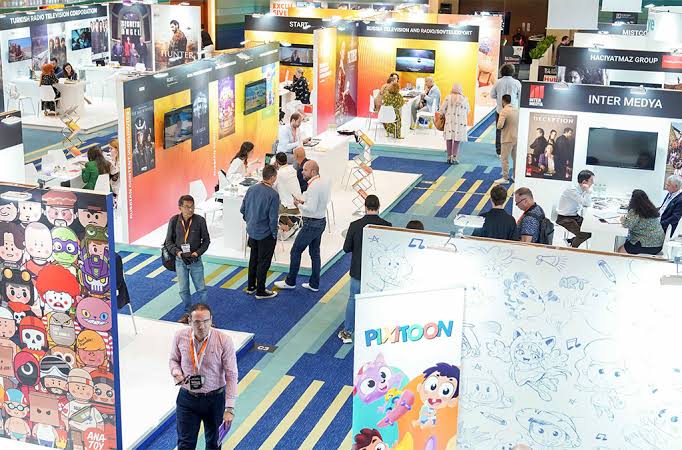
The global entertainment-content business will gather at Madinat Jumeirah on 10 and 11 November 2026 when Dubai International Content Market returns for two days of film, television, streaming, licensing and co-production business.
Known as DICM, the event has been operating since 2008 and has developed into one of the Middle East and Africa’s leading professional marketplaces for entertainment content.
Unlike a public film festival, DICM is built around business.
Television networks attend to acquire programmes.
Streaming platforms search for content.
Production companies look for international partners.
Distributors sell completed films and series.
Broadcasters discuss licensing.
Producers explore co-production opportunities.
Service companies meet studios.
The 2026 edition is expected to bring together more than 150 exhibiting companies and over 1,000 senior media executives from more than 55 countries.
For companies operating in Dubai and across the wider regional media industry, the event offers direct access to buyers and sellers who would normally be spread across several continents.
Content Has Become a Global Business
Entertainment used to travel more slowly.
A television series could become successful in one country while remaining almost unknown elsewhere.
Streaming changed that.
Korean dramas reach audiences in the Gulf.
Turkish series attract viewers across Latin America and the Middle East.
Spanish-language productions travel internationally.
Anime has become mainstream in markets far beyond Japan.
Arabic content can now reach global audiences through digital platforms.
This has created a much more international marketplace.
A successful programme is no longer limited automatically by the country where it was produced.
DICM exists around this increasingly borderless content economy.
Streaming Has Changed What Buyers Need
Traditional broadcasters once dominated television acquisition.
Streaming platforms have expanded the number of buyers.
Their needs can be different.
A broadcaster may need programming that fits a scheduled channel.
A streaming platform may need entire seasons capable of keeping subscribers engaged.
Some platforms focus heavily on local-language production.
Others search for international titles that can travel across markets.
Content companies therefore need to understand not simply whether a programme is good, but who it is good for.
A family-focused streaming platform needs different programming from a premium drama service.
A free ad-supported platform may require different rights from a subscription service.
DICM creates the environment where these details can be negotiated.
Licensing Is at the Centre of the Business
Buying content is rarely as simple as purchasing a finished video file.
Rights need to be defined.
Which countries are included?
How long does the licence last?
Can the buyer stream the programme?
Can it be broadcast on television?
Is mobile distribution included?
Are dubbing rights available?
Can clips be used for marketing?
Is the licence exclusive?
These questions determine the commercial value of a deal.
A successful television series may generate revenue multiple times through different territories and platforms.
Rights management is therefore one of the most important skills in the content industry.
Pre-Scheduled Meetings Make the Market Efficient
DICM places strong emphasis on pre-arranged B2B meetings.
This is particularly valuable within the entertainment industry.
A producer may have only a few minutes to explain a programme to a potential buyer.
The buyer may review hundreds of titles during a market.
Random networking is inefficient.
Structured meetings help companies focus on partners who are actually relevant.
A documentary distributor can meet documentary buyers.
A Turkish drama company can target regional broadcasters interested in scripted content.
A children’s producer can identify family platforms.
Better matching can turn a two-day event into months of business development.
The Middle East Is Becoming a More Important Content Market
The MENA entertainment market is changing quickly.
Young populations spend substantial time online.
Streaming subscriptions have expanded.
Mobile video consumption is high.
Regional platforms are investing more heavily in original content.
International streaming companies continue building local catalogues.
This creates demand for both imported and locally produced programming.
Media companies increasingly see the region as a market with its own commercial importance rather than simply a secondary sales territory.
Arabic Content Is Becoming More Competitive
Regional production quality has improved significantly.
Arabic drama now competes across streaming services and broadcast television.
Production values have increased.
Writers are experimenting with new formats.
Shorter seasons are becoming more common.
Crime, thriller, comedy, documentary and reality programming continue evolving.
Streaming platforms have also created opportunities for stories that might not fit traditional television schedules.
International markets such as DICM help Arabic producers explore audiences outside their home territories.
Turkish Content Remains Highly Influential
Turkish television has become one of the world’s major content-export industries.
Drama series have built large audiences across the Middle East, Latin America, Europe and Asia.
Production quality, emotional storytelling and long-form drama structures have helped Turkish content travel widely.
DICM has historically attracted Turkish companies, giving regional buyers direct access to distributors and producers.
The continued popularity of international drama demonstrates how cultural content can become a major export industry.
Asian Content Is Expanding Rapidly
Korean, Japanese and Chinese entertainment has gained major international audiences.
Korean dramas and music have built strong global fandoms.
Anime attracts viewers across age groups.
Chinese fantasy and historical productions increasingly travel.
Streaming platforms have accelerated this process because viewers can discover foreign-language programming more easily.
Subtitles and dubbing reduce language barriers.
This makes Asian content one of the most interesting growth areas for international buyers.
Dubbing Can Determine Whether Content Travels
A successful international programme often depends on localisation.
Subtitles are relatively fast and affordable.
Dubbing requires greater investment.
Voice actors need casting.
Scripts must be adapted.
Timing needs to match dialogue.
Cultural references may require localisation.
High-quality dubbing can dramatically expand a title’s audience, particularly in markets where viewers prefer programming in their own language.
Poor dubbing can damage even excellent content.
Localization companies therefore form an important part of the international distribution ecosystem.
AI Is Beginning to Transform Localization
Artificial intelligence is creating new possibilities around translation, subtitling and dubbing.
Speech can be transcribed automatically.
Translation systems can produce first drafts.
Synthetic voices can reproduce speech in other languages.
Lip-sync technology is improving.
These tools could reduce the cost of international distribution.
But creative judgement remains important.
Literal translation can miss humour.
Character personality needs consistency.
Cultural references require understanding.
AI may accelerate localisation, but professional oversight will remain valuable.
AI Is Also Entering Production
Generative AI is beginning to influence film and television production itself.
Writers can use tools during brainstorming.
Concept art can be created rapidly.
Previsualisation becomes cheaper.
Visual effects workflows can accelerate.
Synthetic voice technology creates new options.
Some companies experiment with AI-generated scenes.
This creates both opportunity and controversy.
Questions around copyright remain important.
Performers worry about digital likenesses.
Writers are concerned about how their work is used.
Production companies need clear policies.
DICM takes place while the media industry is still deciding where AI belongs within professional content creation.
Short-Form Drama Is Creating a New Category
One of the fastest-growing entertainment formats involves short episodic drama designed primarily for mobile viewing.
Episodes may last only a few minutes.
Stories move quickly.
Cliffhangers encourage continued viewing.
The format has grown rapidly in parts of Asia and is expanding internationally.
This creates new commercial opportunities.
Production costs can be lower than conventional television.
Mobile audiences are enormous.
Platforms can experiment with different monetisation models.
Traditional broadcasters and streaming services are increasingly paying attention.
FAST Channels Are Expanding
Free ad-supported streaming television, commonly known as FAST, has created another distribution model.
Viewers watch channels without paying a subscription.
Advertising generates revenue.
Content owners can use older libraries that might otherwise produce limited income.
Niche channels can be created around genres, actors or subjects.
This gives distributors another way to monetise catalogues.
The proliferation of platforms also makes rights management more complicated.
Co-Production Can Spread Cost and Risk
High-quality entertainment is expensive.
International co-production allows companies from different countries to share financing and expertise.
One partner may provide creative talent.
Another provides locations.
A broadcaster may guarantee distribution.
Government incentives can reduce production costs.
The final programme may be designed from the beginning for international audiences.
DICM provides a place where these relationships can begin.
For producers, finding the right partner can turn an ambitious idea into a financeable project.
Film Commissions Compete for Productions
Cities and countries increasingly compete to attract film and television production.
A major production creates local economic activity.
Hotels benefit.
Equipment companies receive business.
Crew members are hired.
Locations gain international exposure.
Governments therefore offer permits, production support and sometimes financial incentives.
The UAE has invested significantly in studio infrastructure and production services, making the wider region increasingly relevant to international producers.
Content Libraries Have Long-Term Value
Production companies sometimes focus heavily on new shows.
Older content can remain valuable for decades.
Classic series may be licensed repeatedly.
Children’s programming can attract new generations.
Documentaries can remain relevant.
Streaming creates additional opportunities for archive catalogues.
A company owning strong intellectual property has an asset capable of generating revenue through multiple windows.
International content markets help rights owners find new buyers for these libraries.
Intellectual Property Is the Core Asset
A successful entertainment brand can extend far beyond the original show.
Characters become merchandise.
Formats can be remade in other countries.
Books can be adapted.
Games may be developed.
Live experiences can follow.
Sequels and spin-offs expand the franchise.
This makes intellectual property extremely valuable.
Media companies increasingly think beyond one programme toward complete entertainment ecosystems.
Content Buyers Need Evidence
Creative industries can appear subjective.
Commercial buyers still use data.
How did the programme perform in its original market?
What demographic watched it?
Did viewers complete the season?
Has it sold internationally?
How strong is social-media engagement?
Is talent attached?
What marketing material exists?
Data helps buyers reduce risk.
A compelling trailer may open the conversation.
Evidence often helps close the deal.
Face-to-Face Markets Still Matter
The media industry could theoretically conduct almost every transaction online.
Files can be streamed securely.
Contracts can be signed digitally.
Video meetings are easy.
Yet physical content markets remain important.
Trust matters.
Buyers may work with the same distributors for years.
Informal conversations can lead to unexpected deals.
A programme that seems unremarkable in an email may become interesting after a passionate producer explains it directly.
Human relationships remain part of the entertainment business.
Two Days Where Stories Become International Business
Audiences eventually see only the finished film or television series.
Behind it sits an entire commercial system.
Financing.
Production.
Rights.
Distribution.
Dubbing.
Marketing.
Broadcasting.
Streaming.
Licensing.
Dubai International Content Market brings those business layers together.
On 10 and 11 November 2026, producers will pitch stories, buyers will search for programming and distributors will negotiate rights inside Madinat Jumeirah.
Some titles may remain within one region.
Others could become the next international hit.
DICM exists to help determine which stories travel next.