


Gulfood Manufacturing 2026 Brings the Future of Global Food Production to Dubai
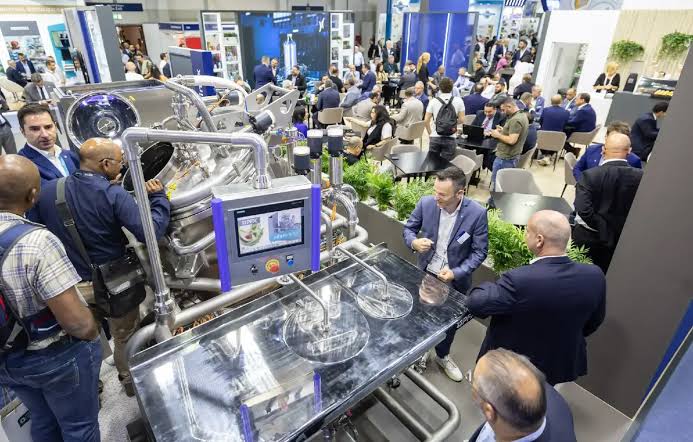
The global food industry will turn its attention to Dubai World Trade Centre from 3 to 5 November 2026 when Gulfood Manufacturing returns with one of the region’s largest showcases of food-processing technology, ingredients, packaging and industrial innovation.
The exhibition focuses on what happens before food reaches supermarket shelves, restaurants and consumers.
Ingredients need to be sourced.
Products need to be formulated.
Factories need processing equipment.
Packaging needs to protect food.
Production lines need automation.
Safety needs to be monitored.
Supply chains need to move ingredients and finished products efficiently.
Gulfood Manufacturing brings those parts of the food-production ecosystem together under one roof.
The event is trade-only and attracts manufacturers, suppliers, engineers, food scientists, procurement teams, distributors and business leaders looking for technologies capable of making food production faster, safer, more sustainable and more profitable.
The Show Covers the Complete Manufacturing Chain
Gulfood Manufacturing is divided across major industry categories including processing and packaging and food ingredients.
That structure reflects the reality of food production.
A company developing a new beverage may begin by sourcing flavours, sweeteners, stabilisers and functional ingredients.
It then needs equipment capable of blending and processing the product consistently.
The liquid must be filled into suitable packaging.
Labels need to be applied.
Production needs monitoring.
Products must be packed for transport.
Quality-control systems need to confirm that every stage operates correctly.
A weakness anywhere in this chain can affect the final product.
For food companies operating in Dubai and across the wider region, the exhibition provides a way to compare suppliers across many of these categories during one visit.
The Event Runs From November 3 to 5
The 2026 edition takes place across a large part of Dubai World Trade Centre.
Opening hours are 10am to 6pm on 3 and 4 November, with the final day running from 10am to 5pm.
Processing and packaging suppliers occupy several major halls, while ingredient companies have their own dedicated areas.
The scale means visitors need to arrive with a plan.
A food manufacturer searching specifically for packaging automation could easily spend an entire day examining only that sector.
An R&D professional may focus primarily on ingredients.
Operations managers may prioritise machinery and factory technology.
Automation Is Reshaping Food Factories
Food manufacturing can involve enormous production volumes.
Even small efficiency improvements become valuable when multiplied across millions of units.
Automation therefore plays a central role.
Robotic systems can move products.
Automated filling machines improve consistency.
Vision systems inspect packaging.
Software monitors production lines.
Sensors identify equipment problems.
Warehouse systems coordinate inventory.
Automation can reduce repetitive manual tasks while improving speed.
But companies need to choose carefully.
The most advanced machine is not automatically the best investment.
Technology needs to match actual production requirements.
Artificial Intelligence Is Entering Manufacturing
AI is becoming increasingly relevant to factories.
Predictive-maintenance systems can analyse equipment behaviour and identify signs of failure before machinery stops.
Computer vision can inspect products at high speed.
Production data can help optimise efficiency.
Demand forecasting can improve planning.
Quality-control systems may identify patterns human operators would struggle to detect across huge datasets.
This could reduce waste and downtime.
However, AI needs reliable data.
A factory with poorly connected systems cannot become intelligent simply by purchasing an AI platform.
Digital foundations need to come first.
Food Safety Remains Non-Negotiable
Efficiency matters only if products remain safe.
Food factories need strict hygiene processes.
Temperature needs to be controlled.
Contamination risks must be managed.
Allergens require careful separation.
Equipment needs to be designed for effective cleaning.
Traceability systems need to identify where ingredients came from and where finished products went.
When problems occur, companies may need to recall products quickly.
Technology can support all of these processes.
Sensors can monitor temperature.
Digital records improve traceability.
Automated inspection can detect defects.
But food safety still depends on strong systems and trained employees.
Packaging Is Under Pressure to Change
Food packaging performs several jobs at once.
It protects the product.
It extends shelf life.
It provides information.
It makes transportation easier.
It attracts consumers.
Increasingly, it is also expected to reduce environmental impact.
These requirements can conflict.
A lightweight package may reduce material use but need to remain strong.
Recyclable materials may behave differently from conventional plastics.
Food-safety requirements limit which materials can be used.
Manufacturers therefore need packaging innovation rather than simplistic solutions.
Gulfood Manufacturing allows packaging suppliers to demonstrate how they are approaching those trade-offs.
Sustainable Packaging Is Becoming a Business Priority
Consumers are paying more attention to packaging waste.
Governments are introducing environmental rules.
Retailers are setting sustainability targets.
Large food manufacturers need to reduce their environmental footprint.
That creates demand for recyclable, reusable and lower-material packaging.
But sustainability claims need to be practical.
A package described as recyclable has limited value if recycling infrastructure cannot process it.
Companies increasingly need to think about the entire lifecycle.
Ingredients Are Becoming More Functional
Food consumers increasingly expect products to do more than provide calories.
High-protein products have expanded rapidly.
Consumers seek foods containing fibre.
Reduced-sugar formulations remain important.
Plant-based ingredients continue developing.
Functional beverages include vitamins, minerals and other compounds.
This places more pressure on ingredient suppliers.
Removing sugar changes taste and texture.
Adding protein can affect mouthfeel.
Replacing animal-derived ingredients may alter how products behave during manufacturing.
Food science becomes critical.
Taste Still Decides Whether Products Succeed
Health claims can attract first-time buyers.
Taste determines whether many of them return.
This is one of the central challenges facing product developers.
Consumers may say they want healthier products.
But they still expect enjoyable flavour and texture.
Ingredient companies therefore invest heavily in formulations capable of delivering both.
A lower-sugar chocolate product still needs to taste like something people want to eat.
A high-protein beverage should not feel unpleasant.
Successful innovation happens when nutritional goals and consumer expectations meet.
Plant-Based Products Continue to Evolve
Plant-based manufacturing went through a period of enormous enthusiasm.
The market has since become more realistic.
Consumers are asking harder questions about price, nutrition and taste.
That is healthy for the sector.
The next generation of plant-based products needs to compete on quality rather than novelty.
Manufacturers are experimenting with proteins from peas, soy, grains and other sources.
Processing technology can improve texture.
Flavours can reduce unwanted notes.
The challenge is producing food people choose because they genuinely enjoy it.
Energy Efficiency Matters in Food Production
Food factories can consume large amounts of energy.
Heating, cooling, refrigeration and processing equipment all require power.
Reducing energy use can lower both emissions and operating costs.
Efficient motors help.
Heat-recovery systems can capture energy that would otherwise be wasted.
Smart controls can reduce unnecessary operation.
Renewable energy can support production.
As energy costs and sustainability requirements increase, equipment efficiency becomes a more important purchasing criterion.
Water Use Is Another Major Issue
Food production can also require substantial water.
Water may be used directly in products.
It is also needed for cleaning and processing.
Factories in water-stressed regions therefore have strong incentives to reduce consumption.
Improved cleaning systems can help.
Water recycling may be possible in certain applications.
Better monitoring can identify waste.
The objective is not simply to use less water at any cost.
Food-safety standards still need to be maintained.
Factories Need Greater Flexibility
Consumer trends move quickly.
A product that becomes popular today may lose demand within a few years.
Manufacturers therefore increasingly want production lines capable of handling several products.
Flexible equipment allows factories to change formats more quickly.
That can reduce the risk of investing in machinery dedicated to one product.
Smaller production runs may also support niche brands and private-label manufacturing.
This is particularly important as retailers develop more own-brand products.
Private Label Is Growing
Private-label products allow supermarkets and other retailers to sell goods under their own brands.
For manufacturers, this creates business opportunities even without building a consumer brand themselves.
Production companies can manufacture products for several retailers.
The challenge is managing different formulations, packaging and quality requirements efficiently.
Private-label growth therefore increases demand for flexible manufacturing and packaging systems.
The co-located Private Label Middle East expands this conversation further.
GulfHost and ISM Middle East Expand the Ecosystem
Gulfood Manufacturing takes place alongside several related exhibitions.
GulfHost focuses on hospitality and foodservice equipment.
ISM Middle East serves confectionery and snack markets.
Private Label Middle East connects manufacturers and retailers.
Running these events together creates a much larger food-industry ecosystem.
A visitor may begin by examining food-production technology and then explore restaurant equipment or private-label opportunities nearby.
For international businesses, this makes the trip more efficient.
Supply Chains Remain a Major Concern
Recent global disruptions demonstrated how vulnerable food supply chains can be.
Ingredient shortages can stop production.
Shipping delays create problems.
Geopolitical events influence commodity prices.
Companies are therefore looking for greater resilience.
That may mean sourcing from multiple countries.
Manufacturers may hold additional inventory.
Regional production can become more attractive.
Technology can improve supply-chain visibility.
The cheapest supplier is not always the best option if reliability is poor.
Digital Traceability Could Transform Supply Chains
Consumers and regulators increasingly want to know where food comes from.
Digital traceability can provide greater visibility.
Manufacturers can track batches.
Retailers can receive better information.
Problems can be isolated faster.
This becomes especially valuable during recalls.
Instead of removing enormous quantities of product, companies may identify precisely which batches are affected.
Better data therefore improves both safety and cost management.
Business Matchmaking Is Built Into the Event
Gulfood Manufacturing operates a dedicated Connexions365 meetings programme.
Participants can identify exhibitors, search potential partners and arrange one-to-one meetings before arriving.
This helps turn a huge exhibition into a more targeted business event.
A procurement manager does not need to rely entirely on walking past the right stand by chance.
Suppliers can identify relevant buyers.
Distributors can search for manufacturers.
Companies can build a structured schedule.
For an exhibition covering so many halls, that efficiency matters.
Food Manufacturing Is Becoming a Technology Industry
Modern food factories increasingly resemble sophisticated industrial technology environments.
Robotics move products.
Sensors monitor equipment.
AI analyses data.
Software coordinates production.
Vision systems inspect quality.
Automation manages packaging.
Scientists design formulations.
Engineers optimise energy use.
The image of food manufacturing as a simple production line is becoming outdated.
The industry increasingly combines biology, chemistry, engineering, software and logistics.
Three Days Focused on How the World Produces Food
Consumers usually interact only with the finished product.
A bottle.
A packet.
A frozen meal.
A snack.
They rarely see the industrial system behind it.
Gulfood Manufacturing exists for that system.
From 3 to 5 November, Dubai World Trade Centre will bring together the companies producing ingredients, machines, packaging, software and technology that allow food businesses to operate at enormous scale.
The most successful innovations may never be visible to consumers.
A faster production line.
A safer cleaning system.
A package using less material.
A sensor preventing equipment failure.
An ingredient improving shelf life.
Individually, these changes may appear small.
Across global food production, their impact can be enormous.
That is why Gulfood Manufacturing remains one of the most important industry exhibitions on Dubai’s annual business calendar.