


Future FM 2026 Brings 10,000+ Professionals to Dubai as AI and Smart Buildings Redefine Facilities Management
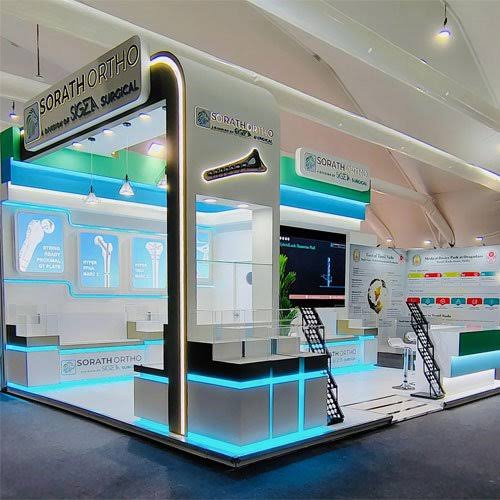
Facilities managers, property owners, technology providers, building operators and sustainability professionals will gather at Dubai World Trade Centre from 23 to 26 November 2026 when Future FM returns with four days focused on smarter, more efficient and more sustainable building operations.
The specialist event is expected to bring together more than 10,000 global attendees, over 50 exhibitors, more than 20 industry speakers and participants from over 110 countries.
Its 2026 programme will examine digital facilities management, building information modelling, digital twins, artificial intelligence, automation, robotics, building performance, net-zero operations, retrofits, integrated FM models and workforce development.
Facilities management rarely receives the same attention as architecture or construction.
Yet a building may take several years to construct and then operate for decades.
During that operating life, somebody needs to maintain equipment.
Manage energy.
Clean spaces.
Protect occupants.
Handle contractors.
Repair failures.
Manage assets.
Monitor compliance.
Respond to emergencies.
The cost and environmental impact of operating a property over many years can exceed what happens during construction.
Future FM 2026 focuses on that long operational phase.
Facilities Management Begins When Construction Ends
Developers naturally focus heavily on delivering projects.
Once people move into a building, priorities change.
Is the air-conditioning working?
Are lifts reliable?
Is the building secure?
Are common areas clean?
Is energy consumption reasonable?
Can faults be repaired quickly?
Are fire systems maintained?
These daily responsibilities fall within facilities management.
For property owners and service companies operating in Dubai, good FM can directly influence asset value, tenant satisfaction and operating cost.
Poor Handover Creates Years of Problems
Facilities teams often inherit buildings after construction.
If information is incomplete, maintenance becomes much harder.
Which equipment was installed?
Where are warranties?
Which spare parts are required?
Where do pipes and cables run?
What are recommended service intervals?
A strong handover should provide accurate digital records.
Building models.
Asset registers.
Manuals.
Commissioning information.
The operational team needs usable information, not boxes of documents nobody can navigate.
BIM Is Moving Into Building Operations
Building Information Modelling began primarily as a design and construction tool.
Its value can continue after completion.
An FM team can use building models to locate equipment.
Understand relationships.
Access asset information.
Plan maintenance.
The challenge is keeping information current.
A model representing the building on opening day becomes less useful if years of modifications are never recorded.
Operational BIM requires ongoing data management.
Digital Twins Go Further
Digital twins add live operational information to digital building representations.
Sensors can report temperature.
Equipment status.
Energy consumption.
Occupancy.
Air quality.
Maintenance conditions.
Facility managers gain a more dynamic picture of what is happening.
Instead of walking around trying to discover problems, teams can prioritise based on real data.
The objective is not creating impressive 3D graphics.
It is improving decisions.
AI Can Help Buildings Learn Their Own Patterns
Buildings behave differently throughout the day.
Office occupancy changes.
Hotels experience seasonal patterns.
Shopping centres peak during evenings or weekends.
Weather influences cooling demand.
Artificial intelligence can analyse this information.
Systems may forecast demand.
Identify unusual consumption.
Detect equipment deterioration.
Optimise cooling schedules.
Recommend maintenance.
AI becomes valuable when it reduces operating costs or prevents problems rather than simply adding another dashboard.
Predictive Maintenance Can Change FM Economics
Traditional maintenance often follows one of two models.
Repair equipment after it breaks.
Or service equipment according to fixed schedules.
Predictive maintenance adds a third approach.
Monitor equipment condition and intervene when data indicates deterioration.
A pump showing unusual vibration can be inspected.
A chiller becoming progressively less efficient may need attention.
A lift component can be replaced before failure.
This can reduce disruption while avoiding unnecessary maintenance.
Sensors Are Becoming Cheaper and More Numerous
Internet-of-Things devices make it easier to monitor buildings.
Temperature sensors.
Occupancy sensors.
Leak detection.
Air-quality monitors.
Smart meters.
Vibration sensors.
Water meters.
The challenge is no longer collecting data.
It is deciding which data actually matters.
Installing thousands of sensors without a clear operating strategy can create noise rather than insight.
Facilities teams need systems capable of turning information into action.
Smart Buildings Still Need Smart Operators
A sophisticated building does not manage itself automatically.
Someone needs to configure systems.
Respond to alarms.
Interpret data.
Coordinate contractors.
Update software.
Maintain equipment.
Smart technology changes FM skills.
It does not remove the need for professionals.
In fact, increasingly complex buildings may require more technically capable teams.
Energy Management Has Become a Core FM Responsibility
Building owners increasingly expect facilities teams to control energy.
Cooling.
Lighting.
Pumps.
Ventilation.
Hot water.
Data centres.
Equipment.
Energy represents both cost and environmental impact.
FM teams are well positioned to improve performance because they understand how properties actually operate after designers and contractors leave.
Sustainability increasingly becomes an operational responsibility.
Net Zero Depends on Existing Buildings
New green buildings attract attention.
Most buildings that will exist in the coming decade have already been constructed.
That means climate targets depend heavily on improving existing properties.
Better controls.
HVAC upgrades.
LED lighting.
Insulation.
Efficient pumps.
On-site renewable energy where practical.
Operational improvements.
Facilities managers become central to decarbonisation because they work directly with the existing building stock.
Retrofits Need Prioritisation
Few property owners can replace every inefficient system at once.
FM teams need to identify where investment creates the largest benefit.
Which chiller consumes the most power?
Which lighting system offers quick payback?
Where are water losses occurring?
Which building has the poorest performance?
Data can help prioritise capital spending.
The goal is to invest where measurable savings justify cost.
Water Management Is Increasingly Important
Buildings consume large quantities of water.
Washrooms.
Landscaping.
Cooling systems.
Kitchens.
Pools.
Leaks may remain unnoticed for long periods.
Smart meters can identify unusual usage.
Leak-detection sensors can limit damage.
Greywater and treated wastewater may support certain non-potable uses.
In arid regions, water efficiency is a strategic sustainability priority as well as a cost issue.
Indoor Air Quality Is Part of FM
Facilities teams influence what occupants breathe.
Ventilation.
Filters.
Humidity.
Cleaning.
Maintenance.
Poor indoor air quality can affect comfort and wellbeing.
Sensors increasingly allow managers to monitor conditions directly.
The challenge is balancing air quality with energy efficiency.
Bringing large volumes of outdoor air into a hot building increases cooling demand.
Systems need careful optimisation.
Cleaning Is Becoming More Technology-Driven
Cleaning may appear simple.
Large facilities make it complex.
Which areas are actually used?
When should washrooms be serviced?
How much consumable stock is required?
Sensors can measure occupancy.
Robotic cleaning equipment is developing.
Digital systems assign tasks.
Performance can be tracked.
Data-driven cleaning can shift operations from rigid schedules toward actual demand.
Robots Can Handle Repetitive FM Tasks
Robotics is one of Future FM’s explicit 2026 themes.
Autonomous floor-cleaning machines are already commercially available.
Robots may inspect areas.
Drones can examine façades or roofs.
Machines can enter environments that are difficult or unsafe.
The realistic near-term role is usually task automation rather than replacing the entire FM workforce.
People remain necessary for judgement, repairs and interaction.
Drones Can Make Building Inspection Safer
Inspecting a tall façade traditionally requires scaffolding, rope access or specialised equipment.
Drones can capture images more quickly.
AI may then identify cracks or surface problems.
Roof inspections can also become easier.
The technology does not eliminate the need for professional assessment.
It reduces the amount of risky access required during the initial inspection stage.
Cybersecurity Is Now a Building Issue
Modern buildings contain connected systems.
Access control.
Cameras.
HVAC.
Lighting.
Elevators.
Building-management platforms.
IoT devices.
A cyberattack could therefore affect physical operations.
FM teams increasingly need to work with IT and cybersecurity professionals.
Default passwords.
Unpatched devices.
Poor network segmentation.
Remote vendor access.
These can become building-security issues.
Smart facilities require both physical and digital protection.
Access Control Is Becoming More Intelligent
Traditional access cards remain common.
Mobile credentials are expanding.
Biometric systems exist in some environments.
Visitor management platforms digitise temporary access.
Integration can improve convenience and security.
However, sensitive identity data requires strong protection.
Facilities teams need to understand not only whether technology works but how personal information is handled.
Occupancy Data Can Improve Space Utilisation
Hybrid work changed office patterns.
A company may have 1,000 employees but only a fraction onsite at one time.
Sensors and booking systems can reveal how space is actually used.
Unused areas may be consolidated.
Meeting rooms can be allocated better.
Cleaning can follow occupancy.
Cooling can be adjusted.
Real-estate decisions become more data-driven.
The office becomes a managed resource rather than a fixed collection of desks.
Workplace Experience Has Become an FM Metric
Facilities management historically focused heavily on technical reliability.
Employee experience is gaining importance.
Is the workspace comfortable?
Can employees find meeting rooms?
Is temperature appropriate?
Do services respond quickly?
Are common areas attractive?
Technology allows occupants to report problems through apps.
FM becomes partly a customer-service function.
The building’s users are increasingly treated as customers.
Hotels Require 24-Hour Facilities Management
Hospitality creates particularly demanding FM environments.
Guests expect systems to work continuously.
Air-conditioning failures generate complaints immediately.
Water systems need reliability.
Pools require maintenance.
Restaurants operate equipment.
Public spaces experience heavy traffic.
Behind the visible hospitality experience sits a substantial facilities-management operation.
Technology can help hotels detect problems before guests notice them.
Hospitals Require Mission-Critical FM
Hospitals add even higher stakes.
Power cannot fail casually.
Medical gases require monitoring.
Ventilation may have clinical requirements.
Equipment needs stable environments.
Water quality matters.
Emergency generators need testing.
Facilities management becomes directly connected with patient safety.
This demonstrates why FM cannot be treated simply as janitorial services.
It is technical infrastructure management.
Data Centres Push FM Into High-Performance Operations
Data centres run continuously.
Cooling must remain reliable.
Power systems require redundancy.
Generators and batteries need maintenance.
Even small failures can create enormous business consequences.
Facilities professionals in these environments need specialised expertise.
AI expansion is increasing the number and complexity of such facilities across global markets.
ESG Reporting Creates More Data Requirements
Companies increasingly report environmental performance.
Energy.
Carbon emissions.
Water.
Waste.
Facilities teams often control much of the underlying information.
That means FM data needs accuracy.
Smart meters can automate collection.
Software can consolidate portfolios.
But poor data quality can undermine reporting.
ESG therefore creates new administrative as well as operational responsibilities.
Waste Management Is Part of Building Operations
Offices, hotels, malls and communities generate different waste streams.
General waste.
Food.
Recyclables.
Electronic equipment.
Construction waste during renovations.
Facilities teams coordinate collection and contractors.
Better measurement helps organisations understand how much waste they actually produce.
Targets become more meaningful when supported by reliable data.
Contracts Shape FM Performance
Many owners outsource facilities services.
Cleaning.
Security.
Maintenance.
Landscaping.
Specialist systems.
The contract needs to define expectations clearly.
Traditional models may reward completing scheduled tasks.
Outcome-based models focus more heavily on performance.
Equipment uptime.
Energy use.
Response time.
User satisfaction.
Well-designed contracts align service providers with owner objectives.
Lowest Cost Is Not Always Best Value
Facilities services are sometimes procured primarily on price.
Excessive cost-cutting can create hidden consequences.
Deferred maintenance.
Staff turnover.
Poor training.
Equipment failure.
Lower service quality.
A building can deteriorate gradually.
Owners increasingly need lifecycle thinking rather than focusing only on annual FM budgets.
Preventive investment may preserve asset value.
Talent Development Is a 2026 Priority
Future FM explicitly includes talent and leadership within its conference themes.
The profession is becoming more technical.
FM teams need digital skills.
Energy knowledge.
Contract management.
Data analysis.
Cyber awareness.
Sustainability expertise.
Soft skills remain important as well.
Facility managers coordinate multiple suppliers and communicate with senior management.
The role increasingly combines engineering, business and technology.
IFMA Strengthens the Professional Dimension
Future FM’s wider professional ecosystem includes engagement with the International Facility Management Association.
Global professional networks help standardise knowledge and share best practices.
The value is especially important as the industry changes rapidly.
A facilities manager trained ten years ago may now be responsible for AI-enabled systems and ESG reporting that barely existed during earlier training.
Continuous professional development becomes essential.
The Future of FM Is More Strategic
Facilities management historically operated behind the scenes.
That is changing.
Energy costs reach board-level discussions.
Sustainability targets involve FM.
Workplace strategy affects talent.
Building data supports investment decisions.
Cybersecurity affects connected assets.
Operational resilience matters to business continuity.
The facilities manager increasingly participates in strategic decisions rather than simply responding to faults.
10,000+ Professionals Create a Dedicated FM Marketplace
Future FM expects more than 10,000 attendees, 50-plus exhibitors, over 1,000 products and solutions, and more than 20 speakers from a professional community spanning over 110 countries.
That creates a dedicated environment for property owners, operators and service providers to compare technology and operating models.
The questions are practical.
How can buildings cost less to run?
How can they become more resilient?
How can FM teams use data better?
Which technologies produce measurable improvements?
Four Days Focused on What Happens After a Building Opens
Architecture defines how a building begins.
Facilities management determines how well it ages.
A beautiful new property can deteriorate quickly if operations are poor.
An older building can remain highly valuable when maintained intelligently.
From 23 to 26 November 2026, Future FM will bring the professionals responsible for that long operational life together at Dubai World Trade Centre.
AI.
Digital twins.
Automation.
Robotics.
Energy management.
Retrofits.
Integrated services.
The tools are changing quickly.
The objective remains straightforward:
keep buildings safe, efficient, reliable and useful for the people who depend on them.