


Automechanika Dubai 2026 Moves to Expo City for Its Biggest Automotive Aftermarket Edition
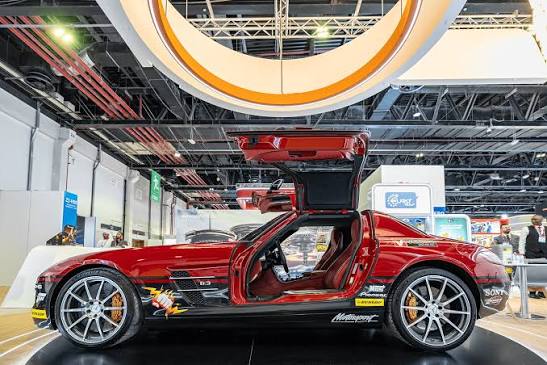
The Middle East and Africa’s largest international automotive aftermarket trade show will enter a new chapter from 10 to 12 November 2026 when Automechanika Dubai moves to Dubai Exhibition Centre at Expo City.
After 22 editions at Dubai World Trade Centre, the show is relocating to a substantially larger venue for its 23rd edition.
The move reflects the continued growth of the automotive aftermarket across the Middle East, Africa, Asia and CIS markets.
More than 1,500 exhibitors and over 30,000 visitors are expected to use the expanded Dubai Exhibition Centre, which offers approximately 180,000 square metres of total capacity.
The event covers 11 major product categories spanning parts, components, tyres, batteries, electronics, accessories, workshop equipment, vehicle washing, oils, lubricants and other areas of the aftermarket industry.
For distributors, workshops, manufacturers, wholesalers, fleet operators and automotive businesses, Automechanika remains one of the region’s most important sourcing and networking events.
A Historic Venue Move for the Exhibition
The 2026 edition represents the first time Automechanika Dubai will take place at Dubai Exhibition Centre.
The new venue at Expo City provides more room for exhibitors and visitors as the show continues to expand.
It also offers direct metro access through Expo 2020 Station and more than 10,000 parking spaces.
For a large trade show, these details matter.
Automotive exhibitions often involve substantial physical products.
Tyres.
Workshop machinery.
Vehicle components.
Diagnostic equipment.
Large stands.
Demonstration areas.
As exhibitor numbers increase, space becomes critical.
Moving to DEC allows the event to expand without forcing product categories into increasingly crowded halls.
For companies doing business in Dubai, the relocation also highlights how Expo City is becoming increasingly important within the emirate’s exhibition economy.
The Automotive Aftermarket Is a Massive Industry
Buying a vehicle is only the beginning of its economic life.
Cars need tyres.
Oil needs changing.
Brake components wear out.
Batteries fail.
Air-conditioning systems require maintenance.
Accidents create demand for body parts.
Software needs diagnostics.
Commercial fleets need constant servicing.
This creates the automotive aftermarket.
Globally, the sector is worth hundreds of billions of dollars.
In the Middle East and Africa, continued vehicle ownership growth and ageing fleets create additional demand.
Messe Frankfurt cites forecasts suggesting the MEA automotive aftermarket could reach approximately US$87 billion by 2034.
That growth helps explain why suppliers from around the world want access to the region.
Parts and Components Remain the Core Business
Replacement parts are one of the largest categories.
Vehicles contain thousands of components.
Suspension parts wear.
Engine components require replacement.
Braking systems need maintenance.
Steering parts fail.
Filters need changing.
The aftermarket therefore supports a huge network of manufacturers, distributors and workshops.
Quality matters enormously.
A decorative accessory failing may create inconvenience.
A brake component failing can create a serious safety issue.
Professional buyers need confidence that suppliers meet required standards.
Trade exhibitions give them opportunities to inspect products and question manufacturers directly.
Electric Vehicles Are Changing the Aftermarket
The rise of electric vehicles will gradually reshape servicing.
EVs have fewer traditional engine components.
Oil-change demand decreases.
Different cooling systems are used.
High-voltage batteries become central.
Technicians require specialised training.
Diagnostic equipment changes.
Tyres can experience different wear patterns due to battery weight and instant torque.
Workshops therefore need to prepare before electric vehicles represent a large share of the regional fleet.
Automechanika increasingly provides exposure to the tools and technology required for that transition.
Traditional Vehicles Are Not Disappearing Immediately
At the same time, conventional petrol and diesel vehicles will remain on roads for many years.
The aftermarket must therefore support multiple technologies simultaneously.
Workshops may service internal combustion vehicles, hybrids and EVs under one roof.
Distributors need to stock parts for several generations of vehicles.
Training becomes more complicated.
Equipment investment decisions become harder.
This transition period creates both opportunities and risks.
Businesses that adapt early may gain an advantage.
Vehicle Diagnostics Are Becoming Software-Driven
Modern cars contain extensive electronics.
A technician can no longer diagnose many problems through mechanical inspection alone.
Electronic control units generate error codes.
Sensors monitor vehicle systems.
Software communicates with diagnostic tools.
Advanced Driver Assistance Systems add cameras, radar and other sensors.
When components are repaired or replaced, recalibration may be necessary.
This transforms the traditional workshop.
Technicians increasingly need digital expertise alongside mechanical skills.
Diagnostic equipment suppliers are therefore becoming central to the aftermarket.
AI Could Transform Vehicle Maintenance
Artificial intelligence may further change diagnostics.
Systems can analyse large databases of vehicle problems.
Technicians can receive suggested causes based on symptoms and error codes.
Fleet operators can use predictive maintenance to identify vehicles likely to experience problems.
Parts demand can be forecast more accurately.
The objective is to reduce downtime.
A private car owner may tolerate a vehicle being unavailable for a day.
A delivery company operating hundreds of vehicles views downtime as a direct business cost.
Tyres Remain an Enormous Category
Whatever propulsion system a vehicle uses, it still needs tyres.
Tyre performance affects braking, handling, efficiency and safety.
The Gulf creates demanding conditions.
High road temperatures place additional stress on rubber.
SUVs and large vehicles are common.
Commercial fleets may accumulate very high annual mileage.
EVs introduce additional requirements around weight and rolling resistance.
Tyre manufacturers therefore continue investing heavily in materials and design.
Automechanika allows buyers to compare major international brands with newer manufacturers entering regional markets.
Batteries Are Changing Rapidly
Traditional lead-acid vehicle batteries remain a major aftermarket product.
Hybrid and electric vehicles add much more complex battery systems.
The sector therefore spans everything from ordinary starter batteries to high-voltage EV technology.
Battery health diagnostics are becoming more important.
Used EV battery packs may eventually create significant opportunities around repair, recycling and second-life applications.
The aftermarket will need expertise capable of determining when battery components can be repaired and when replacement is necessary.
Workshop Equipment Is Becoming More Advanced
Vehicle workshops require lifts, wheel-alignment systems, tyre changers, balancing equipment, diagnostic computers, air-conditioning service machines and numerous other tools.
As vehicles become more complex, this equipment becomes more sophisticated.
ADAS calibration is a good example.
Replacing a windscreen or changing vehicle alignment can affect sensors used by driver-assistance systems.
Workshops may therefore need specialist calibration environments.
A repair that once appeared purely mechanical can now involve electronics and software.
Independent Workshops Face New Challenges
Independent repair businesses play an important role across the Middle East and Africa.
They often compete through flexibility and lower costs.
But access to vehicle data and specialised software can become challenging as manufacturers digitise vehicles.
Technicians need training.
Workshops need continuous equipment investment.
The industry is increasingly debating the right to repair and access to technical information.
For independent operators, staying technologically relevant may become one of the biggest challenges of the next decade.
Fleet Operators Are Major Buyers
Commercial fleets have different priorities from individual motorists.
Delivery companies.
Taxi operators.
Rental businesses.
Construction companies.
Bus fleets.
Government fleets.
These organisations may operate hundreds or thousands of vehicles.
A small reduction in maintenance cost can therefore produce enormous savings.
Fleet operators focus heavily on reliability, predictable servicing and total cost of ownership.
Suppliers capable of reducing downtime have a strong business case.
Automechanika gives fleet managers an opportunity to compare solutions across several categories.
Used Cars Create Additional Aftermarket Demand
The UAE has a large used-car market.
Vehicles often continue operating for many years and may later be exported to other markets.
Older vehicles generally require more maintenance.
That creates demand for affordable replacement parts.
The challenge is balancing price with quality.
Counterfeit and low-quality components can create serious safety risks.
Professional sourcing therefore matters.
Counterfeit Parts Remain a Serious Problem
Automotive counterfeiting is not simply an intellectual-property issue.
Fake brake pads, filters or suspension components can fail under normal use.
Packaging can be designed to resemble legitimate brands.
Digital verification systems are increasingly being used to help buyers confirm authenticity.
QR codes, serialisation and supply-chain tracking may reduce some risk.
Manufacturers also need strong distributor networks.
Trade events allow legitimate suppliers to establish direct relationships with buyers.
Lubricants Are Changing With Engine Technology
Oils and lubricants remain a significant aftermarket category.
Modern engines often require precisely specified lubricants.
Using incorrect oil can reduce efficiency or damage components.
Hybrid vehicles may create different duty cycles.
Heavy commercial vehicles have their own requirements.
Synthetic lubricants continue improving performance and service intervals.
Even as electric vehicles grow, conventional lubrication markets will remain significant for many years because existing vehicle fleets do not disappear overnight.
Vehicle Customisation Continues to Grow
Accessories and customisation are another important part of the aftermarket.
Consumers modify wheels.
Interior electronics are upgraded.
Lighting changes.
Off-road equipment is added.
Infotainment systems evolve.
The Gulf has a particularly strong culture around SUVs, performance vehicles and premium cars.
This creates substantial demand for specialist accessories.
Eleven Product Sections Make the Show Easier to Navigate
Automechanika Dubai organises the exhibition into 11 dedicated product areas covering the full aftermarket ecosystem.
This structure is useful because the industry is enormous.
A tyre distributor does not need to spend an entire day searching through unrelated products.
A workshop owner can focus on equipment and diagnostics.
A wholesaler may concentrate on parts.
A fleet operator can compare several categories.
Good exhibition organisation becomes increasingly important as the event itself grows.
International Trade Is Central to the Event
Automechanika Dubai acts as a trading bridge between difficult-to-reach markets.
Suppliers from Asia and Europe can meet buyers from Africa and the Middle East.
Regional distributors can search for brands.
Manufacturers can identify new export markets.
This international role is particularly important because automotive parts supply chains are global.
A component may be designed in one country, manufactured in another and installed on a vehicle thousands of kilometres away.
Three Days Dedicated to the Vehicles Already on the Road
Automotive headlines often focus on new cars.
The aftermarket focuses on what happens after those cars leave showrooms.
That may be less glamorous, but economically it is enormous.
Vehicles need to stay safe.
Fleet operators need them operational.
Workshops need technology.
Consumers need affordable repairs.
Parts distributors need reliable suppliers.
The transition toward electric and software-defined vehicles makes these relationships even more important.
From 10 to 12 November 2026, Automechanika Dubai will bring the entire ecosystem to its new home at Dubai Exhibition Centre.
The venue may have changed.
The central purpose remains the same: keeping the region’s vehicles moving.