


Arabian Travel Market 2027 Brings 55,000+ Travel Professionals to Dubai
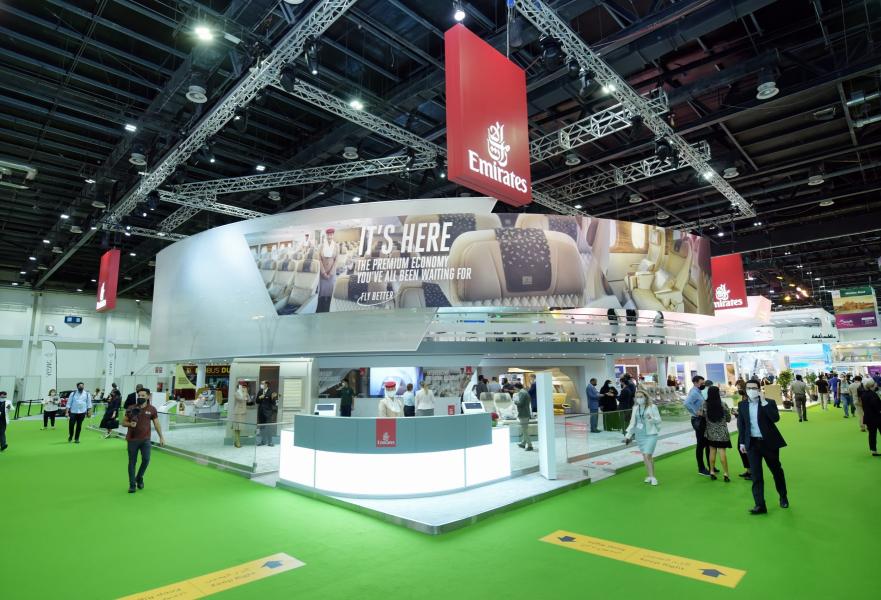
The global travel industry will gather at Dubai World Trade Centre from 3 to 6 May 2027 when Arabian Travel Market returns for four days of tourism deals, destination showcases, travel technology and international networking.
For more than three decades, ATM has connected tourism boards, airlines, hotel groups, travel agencies, tour operators, technology providers and destination-management companies with buyers from across the Middle East and the wider global travel market.
The scale is considerable.
ATM reports more than 55,000 total attendees, over 2,800 exhibitors and more than 6,600 buyers, with tens of thousands of confirmed meetings taking place around the show.
Unlike consumer travel fairs focused mainly on holiday inspiration, Arabian Travel Market is a professional business event.
Tourism authorities attend to attract visitors.
Hotels negotiate distribution relationships.
Airlines discuss partnerships.
Travel companies purchase inventory.
Technology providers sell digital systems.
Investors examine emerging tourism markets.
The deals discussed during four days can influence how destinations, flights and hotel rooms are sold long after the exhibition closes.
Four Days at the Centre of Global Tourism
ATM 2027 opens on Monday, 3 May and runs through Thursday, 6 May at Dubai World Trade Centre.
The event covers virtually every major part of the travel economy.
Leisure tourism.
Luxury travel.
Hotels and resorts.
Aviation.
Business travel.
Tour operators.
Cruise.
Tourism technology.
Meetings and events.
Destination marketing.
Travel investment.
For tourism businesses based in Dubai, ATM offers direct access to international buyers who would normally be spread across dozens of countries.
That concentration is one reason the exhibition remains so commercially important.
Tourism Is One of the World’s Largest Industries
Travel touches far more industries than the hotel or airline a visitor books.
Restaurants benefit.
Retail benefits.
Transport companies benefit.
Attractions benefit.
Entertainment venues benefit.
Event organisers benefit.
Construction and real estate can benefit from new tourism development.
Governments therefore compete intensely for international visitors because tourism spending spreads across large parts of the economy.
ATM gives destinations a platform to compete for those travellers.
Tourism Boards Sell Entire Countries and Cities
National and regional tourism authorities create some of ATM’s largest stands.
Their task is unusual.
A consumer brand might sell one product.
A tourism board effectively sells an entire destination.
Beaches.
Culture.
Food.
Weather.
Events.
Nature.
Shopping.
Adventure.
History.
Hotels.
Accessibility.
The challenge is deciding which experiences will persuade specific travellers to visit.
Different source markets require different messages.
A family traveller may want something completely different from a luxury honeymoon customer or business-events organiser.
International Buyers Drive the Business Model
ATM’s buyer community is one of the event’s most valuable assets.
Tour operators may purchase hotel rooms in bulk.
Travel agencies search for new destinations.
Corporate buyers need business-travel solutions.
Event planners source hotels and venues.
Online travel companies negotiate commercial relationships.
When thousands of buyers attend the same event, exhibitors can build significant distribution partnerships quickly.
This is what separates a major B2B tourism exhibition from an ordinary marketing event.
Hotels Depend on Distribution
A hotel can have beautiful rooms and excellent service but still struggle if potential customers cannot find it.
Distribution is therefore essential.
Hotels sell directly through their own websites.
They work with online travel agencies.
Tour operators may include rooms within holiday packages.
Corporate travel-management companies negotiate business rates.
Wholesalers distribute inventory internationally.
Each channel has different economics.
Hotels need to balance reach with commission costs.
ATM gives hotel groups opportunities to negotiate these relationships face to face.
Luxury Travel Continues to Expand
Luxury travel is one of the strongest segments across the Gulf.
High-end travellers increasingly expect more than expensive accommodation.
They want exclusivity.
Personalisation.
Private access.
Unique experiences.
Wellness.
High-quality dining.
Luxury tourism providers therefore compete heavily on service.
A five-star hotel room alone may no longer be enough.
The complete journey needs to feel distinctive.
This creates opportunities for specialist tour operators and destination-management companies.
Experiential Travel Is Becoming More Important
Travellers increasingly want stories rather than only sightseeing checklists.
Cooking with local chefs.
Adventure experiences.
Cultural workshops.
Wildlife encounters.
Remote landscapes.
Music events.
Sports tourism.
These experiences can make destinations more memorable.
They can also distribute tourism spending beyond major hotel districts.
Tourism boards increasingly promote authentic local experiences as part of destination strategy.
AI Is Changing Travel Planning
Artificial intelligence is beginning to transform how people research and book travel.
Instead of manually searching through hundreds of options, travellers can ask AI tools to create itineraries.
Chatbots can answer questions.
Recommendation systems can analyse preferences.
Airlines and hotels use AI for customer service.
Travel companies use technology to personalise offers.
But AI also creates a challenge for traditional travel websites.
If travellers increasingly begin their planning through conversational tools, companies need to consider how their products remain visible within that environment.
Travel Agents Are Not Necessarily Disappearing
Every major technology wave seems to produce predictions that travel agents will disappear.
The reality is more complicated.
Simple transactions increasingly move online.
Complex travel can still benefit from professional support.
Luxury trips.
Group travel.
Corporate travel.
Multi-country itineraries.
Destination weddings.
Major events.
When significant money is involved, many travellers value access to a knowledgeable person who can solve problems.
Technology may therefore change the travel-agent role rather than eliminate it.
Business Events Are an Important Tourism Segment
Meetings, incentives, conferences and exhibitions—commonly known as MICE—generate high-value travel.
Business visitors spend on hotels.
Restaurants.
Transport.
Venues.
Entertainment.
Large conferences can bring thousands of international visitors into a city simultaneously.
ATM increasingly connects this sector with the wider travel market.
Destinations compete for events because one conference can create significant economic impact.
IBTM @ ATM Strengthens the Business Events Focus
Business-events activity forms an increasingly important part of the ATM ecosystem.
Event planners need venues.
Hotels need conference business.
Destinations want international congresses.
Corporate companies organise incentives and meetings.
Bringing these professionals into the wider travel marketplace allows leisure and business tourism networks to overlap.
Aviation Shapes Which Destinations Succeed
Air connectivity is one of the most important drivers of tourism.
An attractive destination can struggle if reaching it requires complicated travel.
Direct flights reduce friction.
Low-cost carriers can open new markets.
Long-haul airlines bring travellers from distant regions.
Airport capacity influences growth.
The Gulf has a major advantage through powerful aviation hubs connecting East and West.
ATM brings airlines and destination organisations together to discuss these relationships.
Travel Technology Has Become Core Infrastructure
Modern tourism could not operate at current scale without technology.
Reservation systems.
Payment platforms.
Property-management software.
Revenue-management tools.
Online travel agencies.
Airline distribution.
Mobile applications.
Identity systems.
Technology determines how billions of travel transactions happen.
ATM Travel Tech therefore represents much more than a small technology corner.
It reflects infrastructure underpinning much of the global travel economy.
Cybersecurity Matters to Travel Companies
Travel businesses hold significant quantities of customer information.
Names.
Passport details.
Payment data.
Travel schedules.
Loyalty accounts.
Airlines and hotel companies therefore represent valuable targets for attackers.
Cybersecurity has become an important business requirement.
A major data breach can damage customer trust and create regulatory penalties.
Digital transformation needs to happen alongside stronger security.
Sustainable Tourism Is Becoming a Competitive Issue
Travel creates economic opportunities but also environmental pressure.
Flights generate emissions.
Hotels consume energy and water.
Popular attractions can experience overcrowding.
Natural environments may be damaged.
Destinations therefore need to balance tourism growth with long-term sustainability.
This does not necessarily mean reducing all travel.
It means managing growth more intelligently.
Hotels can improve efficiency.
Destinations can spread visitors across different areas and seasons.
Transport can become cleaner.
Travellers can receive better information.
Overtourism Can Damage Successful Destinations
Tourism can become a victim of its own success.
When visitor numbers exceed what local infrastructure or communities can comfortably manage, problems emerge.
Housing prices can rise.
Public spaces become crowded.
Residents may become frustrated.
Environmental damage can occur.
Destinations are increasingly experimenting with visitor fees, reservation systems and seasonal strategies.
The goal is to preserve the qualities that made people want to visit in the first place.
Sports Tourism Is Growing Rapidly
Travelling to participate in or watch sport has become a major tourism category.
Marathons attract international runners.
Football supporters follow teams abroad.
Golfers choose destinations around courses.
Cycling holidays are expanding.
Combat sports, tennis, motorsport and other events generate travel demand.
The Gulf has invested heavily in international sport partly because major events can support wider tourism strategies.
Wellness Tourism Is Becoming Mainstream
Travellers increasingly combine holidays with health and wellbeing.
Spa resorts.
Fitness retreats.
Yoga programmes.
Medical wellness.
Sleep-focused experiences.
Healthy dining.
The wellness category extends far beyond traditional spa treatments.
Hotel companies are designing entire properties around the idea.
This creates new opportunities for destinations able to combine climate, nature and hospitality effectively.
Chinese, Indian and Other Major Source Markets Matter
Travel destinations need to understand where future customers will come from.
India is already one of the world’s most important outbound travel markets.
China remains enormously influential.
Gulf residents themselves are major international travellers.
Growing middle classes across Asia create additional opportunity.
Marketing needs to adapt to each group.
Payment preferences differ.
Language matters.
Holiday periods differ.
Digital platforms vary between countries.
Global tourism is not one universal market.
Content Creators Influence Travel Decisions
Instagram, TikTok, YouTube and other platforms have transformed destination marketing.
One viral video can create enormous demand.
Restaurants can become attractions overnight.
Previously obscure landscapes may receive thousands of visitors.
Tourism boards increasingly work directly with content creators.
This creates opportunity but also unpredictability.
Social media can shift demand much faster than traditional marketing campaigns.
The Industry Ultimately Runs on Relationships
Travel technology continues advancing, but tourism remains relationship-driven.
Hotels need distribution partners.
Tour operators need suppliers.
Destinations need airlines.
Event organisers need venues.
Travel agencies need reliable local partners.
A successful trip may involve a dozen companies that the traveller never sees.
ATM allows the people behind those companies to meet.
That is the real commercial value of the event.
Four Days Where the Next Travel Deals Begin
From 3 to 6 May 2027, Dubai World Trade Centre will become one of the world’s most concentrated marketplaces for tourism.
Destinations will compete for attention.
Airlines will discuss connectivity.
Hotels will search for buyers.
Travel-technology companies will demonstrate platforms.
Tour operators will negotiate products.
Investors will examine opportunities.
Some meetings may result in immediate contracts.
Others may develop into partnerships months later.
Together, those conversations help determine where people travel, how trips are sold and which destinations grow.
Arabian Travel Market 2027 is where many of those journeys will begin long before the traveller packs a suitcase.