


Jewellery & Bride Arabia 2026 Turns 12,000 sqm of DWTC Into a Luxury Jewellery Marketplace
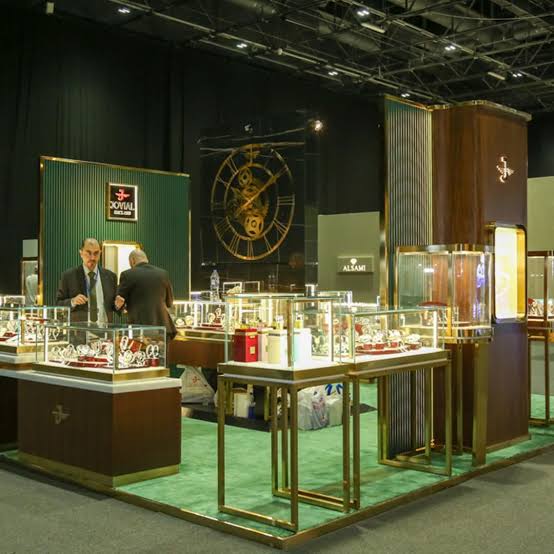
Luxury jewellery houses, bridal brands, designers, collectors, wholesalers and high-net-worth buyers will gather at Dubai World Trade Centre from 3 to 6 December 2026 when Jewellery & Bride Arabia returns for four days of high-end jewellery, bridal design and direct luxury sales.
The exhibition will occupy Halls 5, 6 and 7 across approximately 12,000 square metres.
Unlike strictly trade-only jewellery fairs, Jewellery & Bride Arabia combines professional industry activity with direct public access.
Jewellery manufacturers can meet wholesalers.
Luxury brands can sell directly to consumers.
Brides-to-be can compare collections.
Collectors can discover designers.
Retailers can build supplier relationships.
International brands can assess the Gulf market.
The organiser positions JBA as a premium jewellery platform aimed at affluent consumers, VIP guests, celebrities, influencers, retailers and qualified buyers.
For jewellery and luxury businesses operating in Dubai, that combination makes the event both a retail opportunity and a branding platform.
Jewellery Purchases Are Different From Ordinary Retail
A customer can purchase an inexpensive fashion item with relatively little consideration.
Fine jewellery is different.
Individual pieces may cost thousands or hundreds of thousands of dollars.
Some become family heirlooms.
Others commemorate weddings or important life events.
Customers therefore need trust.
Who made the piece?
What is the metal purity?
Are gemstones natural or laboratory-grown?
Have treatments been disclosed?
What certification exists?
Can the brand provide long-term service?
Luxury jewellery retail depends on confidence as much as appearance.
Bridal Jewellery Remains a Major Market
Weddings generate some of the jewellery industry’s most important purchases.
Engagement rings.
Diamond sets.
Gold jewellery.
Necklaces.
Bracelets.
Earrings.
Traditional bridal pieces.
Gifts.
Different cultures have different expectations, creating an exceptionally diverse regional market.
The Gulf’s international population makes Dubai particularly important.
A single exhibition may need to serve Emirati, Indian, Arab, European and other customer preferences simultaneously.
Gold Carries Cultural and Financial Value
Gold jewellery occupies a distinctive position because it combines decoration with intrinsic material value.
Customers understand that gold itself has a global market price.
This influences buying behaviour.
Some consumers purchase heavy gold jewellery partly as a store of value.
Others prioritise design and craftsmanship.
Retailers operate at the intersection of fashion and precious-metal markets.
Price volatility can affect inventory, margins and consumer demand.
High-End Jewellery Competes Through Craftsmanship
Luxury cannot depend only on expensive raw materials.
Two pieces can contain similar amounts of gold and gemstones while carrying dramatically different prices.
Design.
Craftsmanship.
Brand history.
Rarity.
Finishing.
Setting quality.
All influence value.
The strongest luxury brands build identities that make consumers want the specific piece rather than simply the materials inside it.
Diamond Jewellery Continues to Evolve
Diamonds remain central to bridal jewellery.
The market is changing rapidly as laboratory-grown diamonds expand.
Natural diamonds traditionally derive much of their positioning from geological rarity.
Lab-grown stones create a lower-price alternative with similar fundamental material characteristics.
Retailers increasingly need to offer clear information.
The category does not need to become a battle over which option is universally better.
Different customers value different things.
Transparency is critical.
Customers Need Clear Diamond Information
Carat.
Colour.
Clarity.
Cut.
These traditional characteristics still matter.
Certification helps buyers understand what they are purchasing.
Natural or laboratory-grown origin must also be clear.
Treatments need disclosure.
For high-value purchases, consumers benefit from independent documentation rather than relying solely on sales language.
Luxury brands build stronger long-term relationships when customers feel informed rather than pressured.
Coloured Gemstones Are Becoming More Visible
Emeralds.
Rubies.
Sapphires.
Tourmalines.
Spinels.
Other coloured stones offer alternatives to diamond-centred design.
Colour allows designers to create distinctive visual identities.
Gemstone value can be complex.
Origin.
Treatment.
Clarity.
Colour saturation.
Rarity.
Size.
Professional knowledge becomes especially important.
International jewellery exhibitions help buyers compare materials and designs in person.
Arabic Jewellery Has a Distinctive Market
Jewellery styles vary significantly across regions.
Arabic jewellery often includes bold gold designs, calligraphy or motifs connected with regional culture.
Contemporary designers increasingly reinterpret traditional elements.
The most successful designs can feel culturally rooted without appearing outdated.
This creates opportunities for regional brands to develop identities difficult for international mass-market companies to imitate authentically.
Indian Jewellery Remains Influential
South Asian jewellery traditions are equally important to Dubai’s luxury market.
Wedding jewellery can be elaborate.
Gold remains significant.
Diamonds and coloured stones feature strongly.
Traditional craftsmanship coexists with modern design.
Dubai’s large South Asian population and strong trade links make the city a natural meeting point for these markets.
European Design Adds Another Aesthetic
European jewellery houses often bring different design traditions.
Italian manufacturing is particularly influential.
French luxury houses carry enormous brand heritage.
Contemporary European designers may favour more minimal or architectural pieces.
A multicultural jewellery exhibition benefits from this variety.
Consumers can compare several design languages within one environment.
Brides Increasingly Want Personalisation
Wedding jewellery is deeply emotional.
Consumers increasingly want pieces that feel individual.
Custom engraving.
Unique settings.
Choice of gemstones.
Modified designs.
Family stones incorporated into new pieces.
Digital design makes customisation easier.
A jeweller can create a 3D model before production begins.
Customers can approve the concept.
Personalisation transforms jewellery from a product into a story.
CAD Has Changed Jewellery Design
Computer-aided design allows jewellers to model extremely detailed pieces.
Dimensions become precise.
Stones can be positioned digitally.
Customers can see realistic visualisations.
Design changes become quicker.
The final model can connect with 3D printing or manufacturing systems.
This does not eliminate craftsmanship.
It changes where craftsmanship begins.
3D Printing Supports Custom Production
Jewellery makers increasingly use additive manufacturing to create casting patterns.
Complex geometry becomes easier.
Small production runs become more economical.
Prototypes can be produced quickly.
This supports bespoke jewellery and independent designers.
The digital workflow lowers certain barriers to creating highly customised pieces.
Final polishing, setting and finishing still require specialist skill.
Luxury Retail Depends on Experience
A jewellery exhibition is not simply a collection of products on tables.
Lighting matters.
Display cases matter.
Security matters.
Brand presentation matters.
Private consultation areas can improve high-value sales.
Customers may spend significant time considering purchases.
Luxury environments therefore need to create comfort and confidence.
The 12,000-square-metre JBA format gives brands room to build more elaborate experiences.
Security Is Built Into the Jewellery Business
Small objects can carry enormous value.
This creates unusual operational requirements.
Secure showcases.
Guarding.
Controlled access.
Specialist logistics.
Inventory procedures.
Insurance.
Digital records.
The jewellery industry needs strong security from manufacturer to retailer.
Exhibitions bring substantial high-value inventory into one location, making professional controls essential.
Watches Broaden the Luxury Category
JBA also accepts high-end watch brands.
Luxury watches occupy a related but distinct market.
Mechanical craftsmanship.
Brand heritage.
Complications.
Materials.
Rarity.
Collectors may treat certain models almost as alternative assets.
The secondary watch market has grown significantly.
Buyers increasingly research provenance and condition carefully.
Perfume Connects With the Bridal Market
The exhibition also welcomes selected perfume and bridal businesses.
Fragrance is strongly connected with Gulf luxury culture.
Weddings create gifting opportunities.
Arabic perfumery has distinctive traditions around oud, musk and concentrated oils.
Luxury fragrance brands can therefore complement jewellery within the broader bridal and lifestyle environment.
Bridal Fashion Extends the Customer Journey
A bride selecting jewellery is often making several other decisions.
Dress.
Accessories.
Beauty.
Photography.
Venue styling.
Gifts.
The broader bridal concept allows related businesses to reach the same audience.
This makes JBA more than a precious-metals show.
It becomes part of the wedding economy.
Influencers Have Changed Luxury Discovery
Luxury brands once depended heavily on magazines, boutiques and celebrity endorsements.
Social media changed discovery.
Consumers follow designers directly.
Influencers showcase jewellery.
Unboxing content reveals packaging.
Bridal inspiration spreads through short video.
This gives smaller brands greater visibility.
It also increases the importance of strong visual identity.
An unknown brand can attract international attention if one design becomes widely shared.
Social Media Cannot Replace Trust
Online visibility can create interest.
High-value purchases still require confidence.
Customers may want to inspect workmanship physically.
Gemstones need close examination.
Sizing matters.
Certification matters.
Return and service policies matter.
Physical exhibitions therefore remain valuable despite the growth of digital marketing.
They turn online discovery into real-world evaluation.
Jewellery Is Becoming More Omnichannel
Luxury brands increasingly combine physical stores with digital services.
Online appointments.
Virtual consultations.
WhatsApp sales.
Video demonstrations.
E-commerce.
In-store collection.
The strongest strategy allows customers to move between channels easily.
A person may discover a ring online, inspect it at an exhibition and complete the purchase later in a boutique.
The sale is no longer tied to one channel.
High-Net-Worth Buyers Expect Personal Service
Luxury customers often value time and privacy.
Private appointments.
Personalised recommendations.
Access to exclusive pieces.
Flexible service.
Long-term relationships with sales advisers.
Jewellery companies need strong clienteling systems.
Customer data can help, but personal information needs protection.
Luxury service should feel attentive rather than intrusive.
Collectors Look Beyond Fashion Trends
Collectors may buy jewellery differently from ordinary consumers.
Rarity matters.
Designer significance.
Historic importance.
Exceptional gemstones.
Craftsmanship.
Provenance.
Collectible pieces can retain cultural or financial interest far beyond seasonal fashion.
Exhibitions connecting collectors with designers create opportunities for more specialist purchases.
Responsible Sourcing Is Becoming More Important
Consumers increasingly ask where precious materials come from.
Gold mining has environmental impact.
Gemstone supply chains can be complex.
Diamonds have long faced questions around conflict sourcing.
Brands increasingly provide more information about origin and responsible procurement.
Claims need evidence.
Luxury customers may pay premium prices partly because they expect stronger standards.
Recycled Gold Creates a Circular Opportunity
Gold can be recycled repeatedly.
Old jewellery.
Industrial material.
Investment products.
All can return to refining.
This makes recycled precious metals an important sustainability option.
The challenge is traceability.
If a brand makes specific sourcing claims, it needs systems capable of supporting them.
Jewellery Can Hold Emotional Value Beyond Price
One reason the sector remains resilient is that jewellery often marks important moments.
Engagement.
Marriage.
Birth.
Anniversary.
Achievement.
Inheritance.
The economic value of a piece matters.
The emotional value can be far greater.
This differentiates jewellery from many other luxury products.
A handbag may eventually be replaced.
A wedding ring can remain for decades.
Dubai’s Luxury Market Provides a Strong Setting
Dubai attracts affluent residents and international visitors.
Luxury retail is deeply established.
The city also connects Europe, Asia, Africa and the Middle East.
Major malls house global brands.
Independent designers operate alongside them.
Tourists shop tax-efficiently compared with some markets.
These characteristics make the city a natural location for an international jewellery and bridal exhibition.
JBA Combines Trade and Consumer Audiences
The official DWTC listing classifies Jewellery & Bride Arabia as both a trade and public exhibition.
This hybrid format creates two forms of opportunity.
Brands can sell directly to final customers.
They can also meet retailers, wholesalers, manufacturers and other commercial partners.
The business conversation may therefore extend far beyond the four show days.
The Platform Reports a Large Historical Footprint
The organiser’s current event platform cites more than 22,000 visitors, over 450 international and local exhibitors and approximately 12,000 square metres of exhibition space in its wider show metrics.
For the 2026 edition, the venue footprint is confirmed across Halls 5, 6 and 7.
That scale gives jewellery houses room to compete through both collections and presentation.
Four Days Where Luxury Meets Commerce
Jewellery exists somewhere between art, fashion and financial value.
A necklace can be appreciated aesthetically.
Its gold and gemstones have commodity value.
Its craftsmanship adds another layer.
Its connection to a wedding can make it emotionally priceless.
From 3 to 6 December 2026, Jewellery & Bride Arabia will bring these different dimensions together at Dubai World Trade Centre.
Brands will sell.
Wholesalers will negotiate.
Brides will search.
Collectors will discover.
Designers will showcase.
For four days, one of the world’s most luxury-focused cities will become an equally concentrated marketplace for objects designed to last far longer than the event itself.