


Dubai Muscle Show & Dubai Active 2027 Bring 45,000+ Fitness Fans and 450+ Brands to Dubai
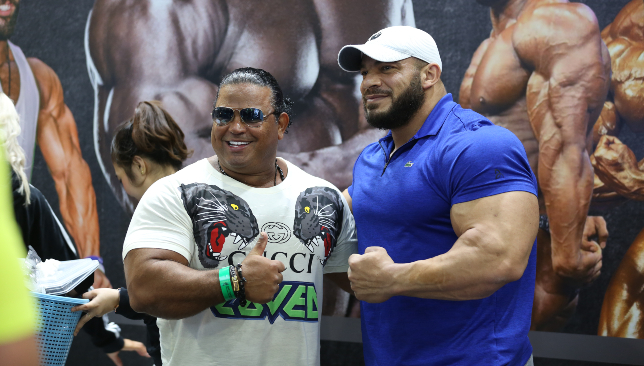
Bodybuilders, fitness professionals, gym operators, wellness companies, nutrition brands and thousands of active-lifestyle enthusiasts will gather at Dubai World Trade Centre from 28 to 31 October 2027 when Dubai Muscle Show, Dubai Active Show and Dubai Active Industry return in an expanded four-day format.
The 2027 fitness platform is expected to attract more than 45,000 attendees, over 450 exhibiting brands and approximately 2,000 competitors across a 35,000-square-metre event footprint.
The event combines several audiences that normally meet separately.
Professional bodybuilders compete on stage.
Consumers discover fitness products.
Gym owners search for equipment.
Nutrition companies launch supplements.
Wellness businesses meet distributors.
Personal trainers attend professional sessions.
International athletes meet fans.
Retail buyers identify products for their stores.
For businesses operating in Dubai and across the Middle East’s expanding wellness economy, the event has become both a consumer showcase and a serious commercial marketplace.
The Fitness Industry Has Become Much Bigger Than Gyms
Fitness was once dominated by traditional health clubs and bodybuilding.
The modern industry is far broader.
Boutique studios.
Personal training.
Recovery.
Wearables.
Nutrition.
Healthy food.
Sports performance.
Wellness.
Longevity.
Mental wellbeing.
Connected equipment.
Fitness apps.
Corporate wellness.
The boundaries between fitness, healthcare and lifestyle are becoming increasingly blurred.
Dubai Muscle Show and Dubai Active reflect that wider ecosystem.
Dubai Muscle Show Remains the Bodybuilding Centrepiece
Dubai Muscle Show is built around bodybuilding and performance.
Professional athletes attend.
Major competitions take place.
Fans can meet internationally recognised competitors.
Nutrition companies showcase products.
Training equipment brands demonstrate new systems.
For bodybuilding enthusiasts, this creates an environment far larger than a standard competition.
Sport, products, education and entertainment take place together.
Dubai Muscle Classic Adds High-Level Competition
One of the central competitive features is Dubai Muscle Classic.
The event works with IFBB Pro Elite and the Emirates Bodybuilding Federation and offers more than AED 70,000 in prize money alongside professional-card opportunities.
Competitors prepare for months or years for a few minutes on stage.
Bodybuilding requires extraordinary consistency.
Training.
Nutrition.
Recovery.
Posing.
Conditioning.
The contest represents the final visible stage of a much longer process.
Fitness Competitions Are Becoming More Diverse
Modern fitness audiences do not follow only traditional bodybuilding.
Functional fitness has grown.
HYROX-style events combine running with strength and conditioning.
Boxing attracts large communities.
MMA continues expanding.
Muay Thai and jiu-jitsu have strong regional followings.
Dubai Muscle Show incorporates demonstrations and competitions across several disciplines.
This wider format helps attract visitors who identify with performance and active living without necessarily being bodybuilding fans.
The Consumer Fitness Market Is Changing
Consumers have more fitness options than ever.
Large gyms.
Low-cost gyms.
Premium clubs.
Boutique studios.
Outdoor training.
Home equipment.
Online coaching.
Fitness applications.
Some people prefer traditional weight training.
Others prefer classes or endurance events.
The industry increasingly competes around experience and community rather than simply access to equipment.
Gym operators therefore need to understand what makes members stay.
Retention Matters More Than Membership Sales Alone
A gym can sell thousands of memberships.
That does not guarantee a healthy business.
Members need to remain.
Retention determines recurring revenue.
Operators increasingly analyse attendance patterns.
If a member suddenly stops visiting, intervention may help.
Digital systems can send reminders.
Coaches can reach out.
Communities create social motivation.
The strongest fitness businesses think beyond the initial sale toward long-term engagement.
AI Is Entering Fitness Coaching
Artificial intelligence is beginning to influence workout programming.
Applications can generate training plans.
Wearables provide data.
Computer vision may analyse exercise technique.
Chatbots answer basic questions.
AI could make personalised fitness guidance more accessible.
But physical training involves individual limitations.
Injuries.
Medical conditions.
Technique.
Recovery capacity.
A generic algorithm cannot always understand these fully.
Qualified professionals remain important, particularly for complex cases.
Wearables Have Become Everyday Health Platforms
Smartwatches and fitness trackers are no longer niche accessories.
People monitor steps.
Heart rate.
Sleep.
Training load.
Running pace.
Recovery.
Some devices provide increasingly advanced health-related measurements.
This data changes how consumers think about fitness.
A workout is no longer experienced only through how it feels.
It generates metrics.
The challenge is using those metrics intelligently rather than becoming obsessed with every number.
Recovery Has Become a Major Business
Fitness culture historically focused heavily on working harder.
Recovery is now a significant commercial category.
Massage devices.
Compression systems.
Cold exposure.
Heat therapy.
Mobility tools.
Sleep technology.
Sports therapy.
Nutrition.
Athletes increasingly understand that performance improves when training stress and recovery are balanced.
That shift creates opportunities for brands selling products outside traditional gym equipment.
Sleep Is Part of Fitness Performance
A perfect training programme can produce poor results if recovery is inadequate.
Sleep affects performance, mood and training readiness.
Fitness brands increasingly incorporate sleep into their wider wellness messaging.
Wearables track rest.
Athletes modify routines.
Recovery facilities include relaxation services.
This reflects the larger movement from exercise-only thinking toward whole-person wellness.
Sports Nutrition Is Becoming More Mainstream
Protein powders were once associated mainly with bodybuilders.
They are now sold through mainstream supermarkets and convenience channels.
Protein bars.
Ready-to-drink shakes.
Electrolytes.
Creatine.
Pre-workout products.
Recovery formulas.
The category has expanded because ordinary consumers increasingly connect nutrition with active lifestyles.
However, the supplement industry requires responsible communication.
Marketing should not replace evidence.
Creatine Has Moved Beyond Hardcore Bodybuilding
Creatine is one example of a supplement that has become increasingly mainstream.
It has long been widely used in strength and performance settings.
Consumer awareness has expanded considerably.
That creates commercial opportunity.
It also means brands need accurate labelling, appropriate dosing information and quality manufacturing.
As categories become more popular, weak products can enter the market alongside reputable ones.
Retailers therefore need trustworthy suppliers.
Protein Is Appearing Everywhere
Food companies now add protein to cereals, snacks, drinks, desserts and convenience products.
The trend responds to consumer demand around fitness and satiety.
But a high-protein label alone does not guarantee a good product.
Taste remains essential.
Ingredient quality matters.
Calories matter.
Successful brands need to combine nutrition positioning with enjoyable food.
Gym Equipment Is Becoming Connected
Treadmills.
Bikes.
Strength machines.
Rowers.
Fitness screens.
Modern equipment increasingly includes connectivity and data.
Users can store workouts.
Equipment tracks performance.
Coaches monitor clients.
Maintenance data can be collected.
For gym operators, connected equipment offers opportunities to understand usage.
The challenge is interoperability.
A facility may use machines from several manufacturers.
Disconnected systems create fragmented data.
Smart Equipment Can Improve Maintenance
Commercial fitness equipment receives heavy use.
Unexpected failures inconvenience members and create repair costs.
Connected systems can track usage and potentially identify maintenance needs.
A treadmill used continuously requires different attention from one rarely used.
Usage-based servicing can be more efficient than treating every machine identically.
This mirrors predictive-maintenance strategies appearing in other industries.
Boutique Fitness Continues to Influence the Market
Cycling.
Pilates.
Boxing.
Yoga.
Functional training.
Specialist studios often build strong communities around one activity.
Customers may pay more per visit than they would at a large traditional gym.
The value comes from coaching, atmosphere and social experience.
Large operators increasingly borrow these ideas by creating specialised zones inside broader facilities.
Pilates Has Experienced Significant Growth
Pilates has expanded strongly across many urban fitness markets.
Reformer studios in particular have attracted broad audiences.
The category demonstrates how fitness trends evolve.
Equipment manufacturers benefit.
Instructor-training organisations grow.
Studios compete for locations.
Consumers move between fitness formats.
Industry events allow operators to identify these trends before making investment decisions.
Personal Trainers Remain Important
Digital fitness gives consumers unlimited workouts.
Many still hire trainers.
The value is accountability.
Technique.
Adaptation.
Motivation.
Programming.
A trainer can observe something an app may miss.
However, trainers themselves increasingly use technology.
Client-management platforms.
Programming software.
Wearable data.
AI assistance.
The profession is becoming more digital rather than disappearing.
Trainer Education Needs to Keep Improving
Low barriers to entry can create inconsistent quality in parts of the fitness industry.
Professional standards matter because trainers work directly with people’s bodies.
Exercise technique.
Progression.
Injury considerations.
Basic nutrition guidance.
Good coaches need more than impressive personal physiques.
Professional education and recognised qualifications help strengthen industry credibility.
Wellness Is Expanding Beyond Exercise
Dubai Active increasingly includes broader wellness solutions.
Mental wellbeing.
Recovery.
Beauty.
Nutrition.
Preventive health.
Consumers increasingly see fitness as one element of a wider lifestyle.
Businesses respond by combining services.
A premium club might include training, recovery, physiotherapy, nutrition and wellness under one membership.
The commercial model becomes a complete health ecosystem.
Longevity Has Become a High-Interest Topic
Consumers are increasingly interested not simply in living longer but in remaining healthier for longer.
This has helped create the modern longevity market.
Exercise remains one of its most practical foundations.
Strength.
Cardiovascular fitness.
Mobility.
Healthy body composition.
Sleep.
Nutrition.
The commercial wellness industry adds tests, technologies and services around these fundamentals.
Consumers need to distinguish proven health behaviours from expensive products with weak evidence.
Corporate Wellness Is Becoming More Strategic
Employers increasingly invest in employee wellbeing.
Gym memberships.
Fitness challenges.
Mental-health services.
Workplace exercise.
Health education.
These programmes can support engagement and wellbeing.
They work best when working conditions themselves are reasonable.
An exercise benefit cannot compensate for permanent overwork.
Corporate wellness needs integration with broader employee strategy.
Hotels Are Investing in Fitness
Travellers increasingly expect more than a small room containing one treadmill and several dumbbells.
Premium hotels build sophisticated fitness facilities.
Wellness tourism creates additional demand.
Resorts offer training programmes.
Recovery services appear.
Some properties collaborate with established fitness brands.
Hospitality therefore represents an important B2B market for equipment and wellness suppliers.
Residential Developments Use Fitness as an Amenity
Property developers also compete through fitness facilities.
Apartment gyms.
Running tracks.
Yoga rooms.
Outdoor exercise zones.
Sports courts.
Recovery spaces.
The quality of these amenities can influence purchasing decisions.
Developers need equipment that looks attractive but can also survive heavy residential use.
Commercial durability remains important.
The Middle East Fitness Market Is Expanding
Young populations, rising wellness awareness and government efforts to encourage active lifestyles support regional industry growth.
Large gym operators are expanding.
Boutique concepts continue launching.
Sports events attract participation.
Health and fitness increasingly become lifestyle categories.
This makes the GCC attractive to international brands seeking new distribution markets.
Dubai Active Industry specifically connects manufacturers with buyers, retailers and operators.
450+ Brands Create a Serious Commercial Marketplace
The combined platform lists more than 450 exhibiting brands.
Supplements.
Nutrition.
Fitness equipment.
Recovery.
Technology.
Wellness.
Apparel.
Hydration.
Professional buyers can compare suppliers during one visit.
For a brand entering the Gulf, finding the right distributor can be more valuable than direct consumer sales during the show itself.
Buyer Meetings Turn Attention Into Business
Dubai Active Industry records hundreds of organised buyer meetings within its broader platform.
Structured matchmaking helps brands find relevant partners.
A gym-equipment company wants operators and developers.
A supplement company wants retailers and distributors.
A technology startup wants gym chains.
The right conversation can lead to regional contracts long after the event finishes.
The Move to Four Days Reflects the Event’s Growth
The official 2027 platform now lists 28 to 31 October at Dubai World Trade Centre.
The expansion follows the postponement of the originally scheduled 2026 edition.
The additional day reflects the scale of the combined consumer, competitive and professional fitness ecosystem.
For visitors, it provides more time to navigate competitions, brands, workshops and commercial networking.
Four Days Focused on a More Active Future
Fitness has moved from a niche hobby into a broad consumer industry.
People train for appearance.
Health.
Competition.
Mental wellbeing.
Community.
Performance.
Longevity.
Businesses support all of these goals through equipment, coaching, nutrition, technology and experiences.
From 28 to 31 October 2027, Dubai Muscle Show, Dubai Active Show and Dubai Active Industry will bring this ecosystem together at Dubai World Trade Centre.
The weights and competitions will attract attention.
The larger story is economic.
Fitness has become one of the defining lifestyle industries of the modern Middle East.