


Dubai Design Week 2026 Turns d3 Into the Middle East’s Biggest Celebration of Design
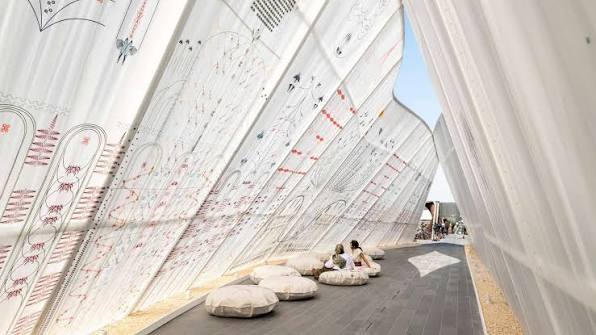
Designers, architects, artists, brands, students and creative professionals will take over Dubai Design District from 3 to 8 November 2026 when Dubai Design Week returns for six days of exhibitions, installations, talks, workshops and new ideas.
The annual festival has become one of the most important creative events in the region, combining professional design with experiences accessible to the wider public.
Unlike a conventional trade exhibition operating inside a single hall, Dubai Design Week spreads creativity across d3.
Large installations appear outdoors.
Studios host exhibitions.
Designers present experimental work.
Brands launch collaborations.
Workshops encourage visitors to participate rather than simply observe.
Talks examine the future of architecture and design.
Downtown Design brings a commercial dimension through premium contemporary interiors and furniture.
Together, these activities transform an entire creative district into a temporary laboratory for how objects, buildings, cities and experiences might look in the future.
Design Is Much More Than Decoration
Design is sometimes reduced to appearance.
A beautiful chair.
An attractive building.
A stylish lamp.
Good design goes much deeper.
It determines how products are used.
How information is understood.
How people move through spaces.
How buildings respond to climate.
How materials are assembled.
How easily something can be repaired.
A product can look beautiful while being frustrating to use.
A building can photograph well while creating uncomfortable spaces.
The strongest design combines function, experience and aesthetics.
Dubai Design Week gives professionals an opportunity to examine all three.
Dubai Has Built a Growing Creative Economy
The development of Dubai Design District created a dedicated commercial and cultural environment for creative industries.
Architecture practices operate there.
Fashion companies have offices.
Interior-design studios work nearby.
Art and design organisations use its spaces.
Restaurants and retail concepts contribute to the wider district.
Events such as Dubai Design Week strengthen this ecosystem by bringing international attention and visitors into the area.
For the creative sector in Dubai, the festival serves both as a showcase and as a business-development platform.
Architecture Faces New Challenges
Architects today work within a very different environment from previous generations.
Cities are growing rapidly.
Climate change affects building performance.
Energy costs matter.
Materials face environmental scrutiny.
People expect more flexible buildings.
Technology changes how spaces are used.
Architecture therefore needs to solve several problems simultaneously.
Buildings should look appropriate.
They need to function.
They must be financially realistic.
They increasingly need to reduce environmental impact.
They also need to remain useful for decades.
Design festivals provide space to discuss these broader questions beyond the pressure of individual commercial projects.
Climate Is Particularly Important in Gulf Design
Architecture cannot ignore location.
The Gulf’s climate creates specific challenges.
Extreme summer temperatures increase cooling demand.
Strong sunlight affects façades.
Outdoor spaces need shade.
Materials must tolerate heat.
Water conservation matters.
Designers increasingly revisit passive strategies that existed long before modern air-conditioning.
Shading.
Courtyards.
Orientation.
Natural ventilation where practical.
Traditional architecture often responded intelligently to local climate.
Contemporary design can reinterpret those principles using modern materials and technology.
Installations Allow Designers to Experiment
Temporary installations are an important part of Dubai Design Week.
They provide something normal architecture projects rarely allow: freedom to experiment without building a permanent structure.
Designers can test unusual materials.
Visitors can interact with new ideas.
Structures can explore light, sound, movement or sustainability.
Some concepts may never become commercial products.
That does not make them useless.
Experimentation helps creative industries discover possibilities before market requirements narrow the options.
Materials Are Becoming a Design Story
The materials used to make a product increasingly influence how people judge it.
Recycled materials.
Bio-based composites.
Natural fibres.
Recovered waste.
Low-carbon concrete.
Engineered timber.
Designers are experimenting with alternatives to conventional production.
The challenge is performance.
A sustainable material still needs to work.
Furniture needs durability.
Building materials must meet safety standards.
Outdoor installations need weather resistance.
Successful material innovation combines environmental advantages with practical reliability.
Waste Can Become a Raw Material
One of the most interesting directions in contemporary design involves treating waste as a resource.
Plastic waste can be reprocessed.
Construction waste can enter new materials.
Textile scraps can form composites.
Agricultural residues can become panels or packaging.
The idea supports a circular economy in which products remain useful for longer and materials return to production.
Designers play an important role because recyclability is often determined before manufacturing even begins.
If a product combines many materials permanently, taking it apart later may be almost impossible.
Circularity therefore starts on the drawing board.
Furniture Is Becoming More Flexible
Changes in how people live and work are influencing furniture.
Homes may need to function as offices.
Smaller apartments require efficient storage.
Workplaces use more flexible layouts.
Hospitality spaces increasingly need furniture that can be rearranged.
Modular products respond to these requirements.
A system can expand.
Components can move.
Parts may be replaced rather than discarding an entire product.
Flexibility may become one of the most valuable characteristics of future furniture.
Artificial Intelligence Is Changing Creative Work
Generative AI has entered architecture and design remarkably quickly.
Designers can create visual concepts in seconds.
Architects can explore variations.
Mood boards can be produced rapidly.
Clients can see ideas earlier.
AI can also analyse data, automate repetitive tasks and potentially assist with optimisation.
This does not mean the designer disappears.
Generating an attractive picture is very different from delivering a functional product or building.
Materials need specifications.
Dimensions need accuracy.
Structures need engineering.
Building codes need compliance.
Budgets need control.
Human judgement remains essential.
AI changes the speed of exploration more than the fundamental responsibility of professional design.
3D Printing Expands What Can Be Manufactured
Additive manufacturing gives designers new geometric freedom.
Objects can be produced layer by layer without traditional tooling.
This makes complex shapes possible.
Customisation becomes easier.
Prototypes can be created quickly.
Architecture has also experimented with large-scale 3D printing for building components.
The technology still faces limitations around materials, cost and production speed.
But it encourages designers to think differently about how objects are manufactured.
Digital Fabrication Brings Designers Closer to Production
CNC machines, laser cutters and robotic fabrication allow digital designs to move more directly into physical production.
A designer can create geometry in software and send instructions to equipment.
This shortens the distance between concept and prototype.
For younger designers, access to fabrication labs can be particularly valuable.
They can test ideas without needing industrial-scale manufacturing facilities.
This supports experimentation and entrepreneurship.
UAE Designers Are Developing a Stronger Identity
The growth of the regional creative sector is also helping designers develop work connected more closely to local culture.
Design inspired by the UAE does not need to imitate traditional objects directly.
Identity can appear through materials.
Craft.
Patterns.
Stories.
Climate response.
Social behaviour.
Local production.
The challenge is creating work that feels contemporary without becoming culturally anonymous.
Dubai Design Week provides regional designers with visibility alongside international participants.
Craft Still Matters in a Digital Industry
Technology dominates many design conversations.
Craft remains equally important.
Woodworking.
Ceramics.
Textiles.
Metalwork.
Weaving.
Stone.
Glass.
Traditional crafts contain knowledge developed across generations.
Contemporary designers increasingly collaborate with craftspeople to reinterpret these techniques.
The result can create distinctive products while supporting cultural heritage.
Digital tools and traditional craftsmanship do not need to compete.
The most interesting work may combine both.
Design Can Support Local Manufacturing
A strong design ecosystem can create economic value beyond creative studios.
Designers need manufacturers.
Fabricators.
Material suppliers.
Engineers.
Packaging companies.
Retailers.
A successful product can generate an entire supply chain.
Countries trying to expand advanced manufacturing therefore benefit from strong design capability.
Manufacturing answers how something can be made.
Design asks what should be made and why people would want it.
Public Space Has Become More Important
Urban design shapes everyday life.
Parks.
Pedestrian routes.
Benches.
Lighting.
Shade.
Wayfinding.
Public transport environments.
These details influence whether cities feel comfortable.
Design can encourage walking.
Help people navigate.
Make public areas accessible.
Create places where communities interact.
As Gulf cities continue developing, public-space quality becomes increasingly important.
The best cities are not experienced only from inside cars or buildings.
Accessibility Should Be Designed From the Beginning
Inclusive design considers users with different abilities.
Wheelchair access.
Clear signage.
Appropriate lighting.
Tactile information.
Accessible digital interfaces.
Furniture that works for different bodies.
Designing accessibility from the beginning is usually more effective than modifying an unsuitable environment later.
The broader design community increasingly recognises that accessibility improves experiences for many users, not only people with permanent disabilities.
Designing for Children Requires Different Thinking
Children interact with environments differently from adults.
Scale matters.
Safety matters.
Curiosity matters.
Education and play often overlap.
Products designed for children need to understand how they actually behave rather than simply producing smaller versions of adult objects.
Workshops and family programming at design festivals help make design accessible to younger audiences and potentially inspire future creative careers.
Workshops Turn Visitors Into Participants
One reason Dubai Design Week differs from ordinary exhibitions is participation.
Visitors can attend workshops.
Experiment with materials.
Learn techniques.
Discuss ideas directly with designers.
This helps demystify design.
Creative work can sometimes appear like something produced only by specialist professionals.
Hands-on activities demonstrate that design begins with observing problems and testing solutions.
Talks Connect Design With Bigger Questions
Design conversations increasingly overlap with economics, technology, sustainability and culture.
How should AI be used responsibly?
How can buildings adapt to climate?
Can waste become valuable material?
How should rapidly growing cities preserve identity?
What does luxury mean when sustainability matters?
These questions cannot be solved by one profession.
Architects need engineers.
Designers need manufacturers.
Technology specialists need creatives.
Urban planners need communities.
Events create a neutral place for these groups to exchange ideas.
Downtown Design Adds the Commercial Marketplace
At the centre of the wider week sits Downtown Design, running from 4 to 8 November 2026.
The fair focuses on contemporary and premium design, bringing international brands together with architects, interior designers and buyers.
This commercial component is important.
Creative industries need viable businesses.
Designers need customers.
Manufacturers need specifications.
Brands need visibility.
The combination of a public festival and professional marketplace allows ideas to move between culture and commerce.
Students Gain Exposure to the Professional World
Design education becomes much more valuable when students can interact with working professionals.
A classroom teaches principles.
A festival shows how the industry actually operates.
Students see real materials.
Meet designers.
Attend talks.
Observe brands.
Understand how work is presented.
Connections formed during events can lead to internships, collaborations or employment.
Supporting emerging talent is essential for any creative economy hoping to grow sustainably.
Dubai Design Week Is Also About the City’s Identity
Global cities increasingly compete through culture as well as finance and infrastructure.
Design provides a way to build identity.
Copenhagen is associated with Scandinavian design.
Milan with furniture and fashion.
Tokyo with a distinctive combination of craft and technology.
Dubai’s design identity is younger and still developing.
That creates an opportunity.
The city can become a place where Middle Eastern, African, Asian and international influences meet rather than simply copying an established design capital.
Six Days of Ideas Made Physical
Design is ultimately about turning ideas into something people can experience.
A chair can be sat on.
A building can be entered.
A light changes atmosphere.
A public installation changes how people understand a familiar place.
From 3 to 8 November 2026, Dubai Design District will become a concentrated demonstration of that process.
Professionals will meet.
Students will learn.
Brands will launch work.
Designers will experiment.
Visitors will interact with installations.
Some concepts will disappear when the festival ends.
Others may influence products, buildings and businesses for years.
That is the value of Dubai Design Week.
It gives new ideas somewhere to become visible.