


Sleep Expo Middle East 2027 Brings the Future of Mattresses, Smart Beds and Sleep Technology to Dubai
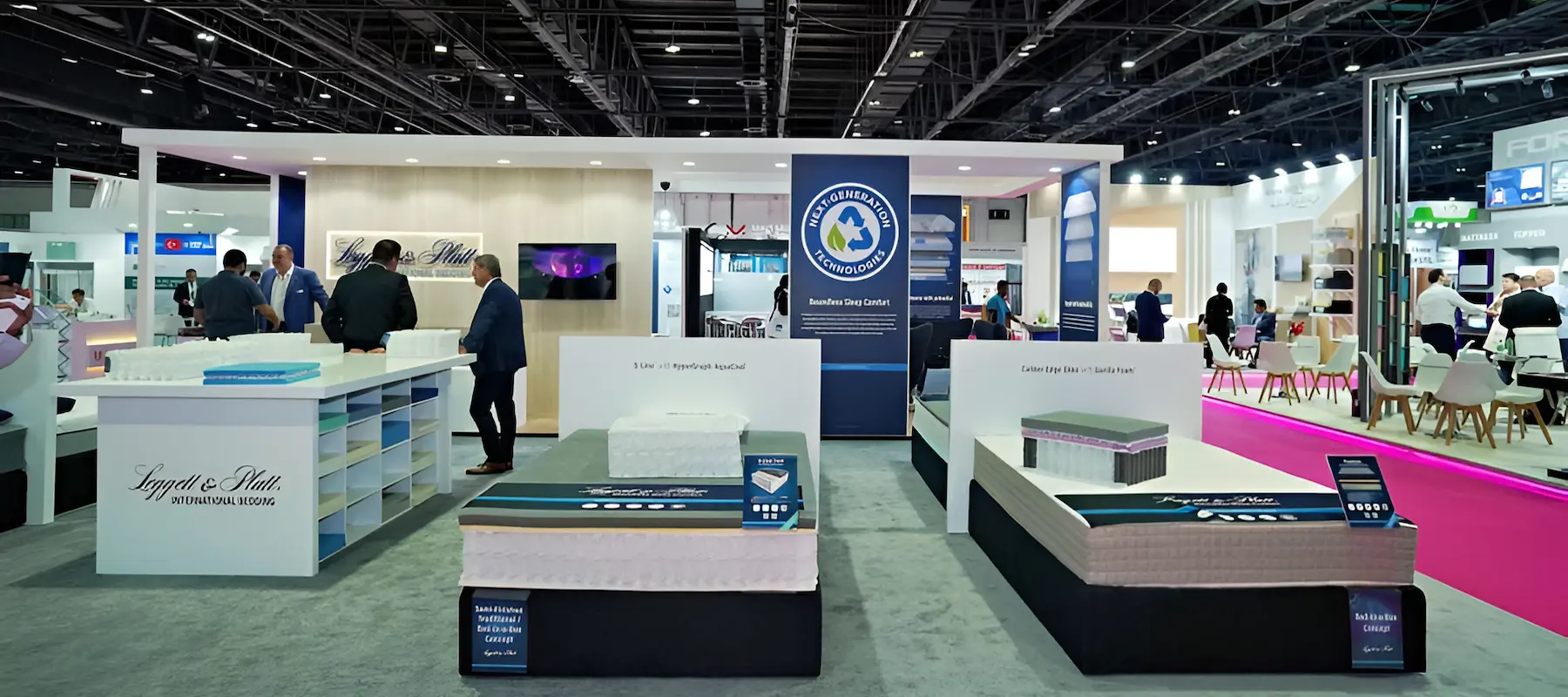
Sleep Expo Middle East 2027 Brings the Future of Mattresses, Smart Beds and Sleep Technology to Dubai
The growing global business of sleep will take centre stage at Dubai World Trade Centre from 21 to 23 September 2027 when Sleep Expo Middle East returns for its seventh edition.
The specialist exhibition and conference brings together mattress manufacturers, bedding companies, foam producers, textile suppliers, machinery manufacturers, sleep-technology developers, wellness brands, retailers, designers and hospitality buyers from across the Middle East, Africa and international markets.
Organisers describe Sleep Expo Middle East as the region’s only dedicated exhibition and conference for the mattress and bedding industry.
The 2027 edition will expand that traditional focus with greater attention to smart sleep technology, artificial intelligence, wellness, sustainable materials, advanced textiles and the changing science of better rest.
Its conference theme — The Science, Technology & Craft of Better Sleep — reflects how dramatically the sector is evolving.
A mattress is no longer viewed simply as foam, springs and fabric.
Beds can contain sensors.
Software can analyse sleep patterns.
Temperature-control systems adjust throughout the night.
New materials are designed around pressure relief and airflow.
Hotels increasingly treat sleep quality as a core part of the guest experience.
Consumers use wearables to measure rest.
Health and wellness companies increasingly position sleep alongside nutrition and exercise.
For businesses working in Dubai and across the wider region, Sleep Expo Middle East provides three days to explore the commercial ecosystem developing around something every person does every night.
Sleep Has Become a Major Wellness Market
For decades, the wellness industry focused heavily on fitness and nutrition.
Sleep is increasingly becoming the third major pillar.
Consumers understand that poor sleep can affect how they feel the next day.
Athletes consider recovery.
Employees think about performance.
Hotels market better rest.
Technology companies develop wearables.
Mattress brands invest in sleep research.
Wellness companies offer products designed around relaxation and recovery.
This has created what is increasingly described as the sleep economy.
The products range from traditional mattresses and pillows to sophisticated smart beds and digital sleep platforms.
Sleep Expo ME brings many of these categories together within one dedicated professional marketplace.
The Mattress Industry Is Becoming More Technical
Traditional mattress manufacturing still involves familiar materials such as springs, foam, latex and textiles.
The engineering behind these products has become increasingly sophisticated.
Different foam densities affect support.
Layer combinations influence pressure distribution.
Spring systems can provide different levels of responsiveness.
Materials affect temperature regulation.
Edge structures influence usable sleeping area.
Fabric affects moisture and airflow.
Manufacturers need to combine all of these factors while also controlling cost and producing products consistently at scale.
For professional buyers, comparing mattresses therefore involves much more than simply deciding whether one feels soft or firm.
Comfort Is Highly Individual
One of the biggest challenges in mattress design is that there is no universally perfect mattress.
Body weight matters.
Sleeping position matters.
Personal preference matters.
A side sleeper may want different pressure relief from someone who sleeps mainly on their back.
Couples can have different comfort preferences.
Climate influences how warm a mattress feels.
Age and mobility may influence which bed height or firmness is practical.
This diversity creates opportunities for manufacturers to offer more specialised products.
It also explains the growing interest in adjustable and personalised sleep systems.
Smart Beds Are Creating a New Product Category
Smart beds combine conventional bedding with electronics, sensors and software.
Some systems can track movement.
Others monitor environmental conditions.
Adjustable bases change sleeping position.
Temperature systems can warm or cool different areas.
Certain products attempt to adapt support automatically.
This turns the bed into a connected product.
The commercial opportunity is significant because consumers increasingly expect ordinary objects to become intelligent.
But smart beds also need to justify their additional complexity.
Technology needs to improve the actual sleeping experience rather than simply create another app.
AI Is Entering Sleep Technology
Artificial intelligence is another important theme for Sleep Expo 2027.
Sleep devices can generate large amounts of information.
Movement.
Heart rate.
Breathing patterns.
Temperature.
Sleep timing.
AI can help analyse those datasets and identify patterns.
A consumer might receive suggestions based on several weeks of behaviour.
A hotel could potentially use technology to personalise room conditions.
A smart bed might adjust settings automatically.
The challenge is accuracy.
Consumer sleep technology should not automatically be treated as clinical diagnosis.
Algorithms can provide useful information without replacing qualified medical assessment when a genuine sleep disorder may be present.
Wearables Have Made Sleep Data Mainstream
Millions of consumers already use smartwatches and fitness trackers that estimate sleep duration and stages.
This has changed behaviour.
People who previously thought little about sleep can now see nightly scores.
They compare trends.
They experiment with bedtime routines.
They may notice how alcohol, exercise or travel affects rest.
This awareness creates demand for other sleep products.
A consumer dissatisfied with sleep quality may investigate mattresses, pillows, temperature control, blackout solutions or wellness programmes.
Wearables therefore influence the broader sleep-products market even when they are not manufactured by bedding companies.
Too Much Sleep Data Can Create Anxiety
Measurement has a downside.
Some people become overly focused on achieving a perfect sleep score.
They may feel anxious when technology reports poor rest even if they feel normal.
Researchers have even discussed the phenomenon of becoming excessively concerned about optimising sleep.
This is an important lesson for technology companies.
Sleep data should help consumers.
It should not create another source of stress.
Good sleep technology needs thoughtful user experience alongside accurate sensors.
Temperature Is Crucial to Sleep Comfort
Temperature management is one of the most important areas of mattress and bedding innovation.
People generate heat while sleeping.
Mattresses and bedding influence whether that heat dissipates effectively.
Foam materials can sometimes retain warmth.
Manufacturers therefore develop more breathable structures.
Cooling fabrics are marketed.
Gel technologies are used.
Ventilation channels improve airflow.
Smart systems can actively control bed temperature.
This is particularly relevant in hot climates, where thermal comfort can have a strong influence on the sleeping experience.
Advanced Textiles Are Changing Bedding
Textile innovation extends beyond appearance.
Fabrics can be developed to manage moisture.
Improve airflow.
Provide softer touch.
Increase durability.
Use recycled fibres.
Reduce environmental impact.
Hospitality textiles need to survive intensive laundering.
Home bedding may prioritise comfort.
Mattress fabrics need different technical characteristics.
Sleep Expo’s focus on advanced textiles recognises that fabric technology is becoming an important part of product differentiation.
Sustainability Is Moving Into Mattress Manufacturing
Mattresses create a difficult environmental challenge.
They combine multiple materials.
Foam.
Metal springs.
Fabric.
Adhesives.
Natural fibres.
Separating these materials at end of life can be difficult.
Large mattresses also consume substantial space in landfills.
The industry is therefore exploring more circular approaches.
Products can be designed for easier disassembly.
Recycled steel can be used.
Foam recycling continues developing.
Natural materials are attracting attention.
Manufacturers are looking for lower-impact adhesives and textiles.
The challenge is maintaining comfort, durability and price while improving sustainability.
Mattress Recycling Could Become a Larger Industry
An old mattress contains potentially recoverable materials.
Steel springs have recycling value.
Certain foams may be reused or processed.
Textiles can enter separate waste streams.
But collecting and dismantling mattresses requires infrastructure.
Products have historically not been designed with recycling in mind.
Circularity therefore needs both product redesign and new business models.
As waste regulations become more demanding, mattress recycling could develop into a much more significant commercial sector.
Natural Latex Remains an Important Material
Latex has a long history in premium mattress manufacturing.
Natural latex comes from rubber-tree sap and can provide resilience and durability.
Different production methods create different material characteristics.
Latex products may appeal to consumers searching for alternatives to conventional foams.
But claims around natural content need to be clear.
Some products combine natural and synthetic latex.
Professional buyers need to understand specifications rather than relying only on marketing terms.
Foam Technology Keeps Evolving
Polyurethane foam remains central to much of the mattress industry.
Manufacturers can engineer different densities, firmness levels and performance characteristics.
Memory foam responds differently from more conventional comfort foams.
High-resilience materials offer other properties.
New formulations aim to improve airflow or reduce environmental impact.
Foam manufacturers therefore play an important role within Sleep Expo’s supply chain.
A mattress brand may design the finished product, but material suppliers determine many of its performance possibilities.
Spring Systems Remain Highly Relevant
Despite growth in foam products, springs remain an important component in mattresses.
Pocket springs allow individual units to respond independently.
Hybrid mattresses combine spring cores with foam or latex comfort layers.
Manufacturers experiment with zoning so different body areas receive different support.
Spring engineering can also influence motion transfer between sleeping partners.
Traditional materials therefore continue evolving rather than disappearing.
Machinery Determines Manufacturing Efficiency
Sleep Expo is also an industrial exhibition.
Mattresses need to be manufactured at scale.
Factories use quilting machinery.
Foam cutting.
Spring production.
Tape-edge machines.
Compression equipment.
Packaging systems.
Textile machinery.
Automated production can increase output and consistency.
Manufacturers evaluate machines based on speed, quality, maintenance and flexibility.
A factory producing several mattress sizes and designs needs systems capable of changing efficiently between products.
Compressed Mattresses Changed Distribution
The rise of bed-in-a-box brands transformed parts of the mattress market.
Certain mattresses can be compressed, rolled and packed into relatively small boxes.
This reduces storage and transportation volume.
Online retailers can ship directly to consumers.
The model helped new brands enter markets without operating large physical stores.
But not every mattress construction is suitable for extreme compression.
Manufacturers need to ensure products recover correctly and maintain long-term performance.
E-Commerce Changed How Mattresses Are Sold
Mattresses were traditionally considered products consumers needed to test physically before purchase.
Online brands challenged that assumption.
Long home-trial periods reduced perceived risk.
Consumers could order directly.
Products arrived compressed.
Returns were promised if the customer was dissatisfied.
This changed industry marketing.
Traditional retailers responded with stronger online experiences.
Today, many successful mattress companies combine digital research with physical showrooms.
The customer journey has become hybrid.
Retail Stores Still Provide Value
A mattress is unusually sensory.
Customers want to feel materials.
Lie down.
Compare firmness.
Understand differences between products.
This means physical retail remains valuable even as online sales grow.
The strongest stores increasingly focus on education rather than simply displaying rows of beds.
Sales teams need to explain construction, support, materials and warranty clearly.
Technology may also help guide customers toward appropriate options.
Hotels Are Major Commercial Buyers
Hospitality is one of the sleep industry’s most important business markets.
A hotel may need hundreds or thousands of beds.
The product needs to satisfy a wide variety of guests.
Durability is essential.
Fire and safety requirements apply.
Replacement cycles need planning.
Housekeeping teams need practical products.
Luxury hotels increasingly view sleep quality as part of brand positioning.
The mattress is therefore not simply back-of-house procurement.
It can directly influence guest satisfaction.
Hotels Are Turning Sleep Into an Experience
Hospitality companies increasingly advertise sleep-specific features.
Pillow menus.
Premium mattresses.
Blackout curtains.
Temperature controls.
Soundproofing.
Wellness programmes.
Some hotels provide sleep-related amenities or specialised rooms.
This makes sense commercially.
A guest can forgive many small hotel imperfections after an excellent night’s sleep.
A beautiful room cannot fully compensate for poor rest.
Hotels therefore have strong incentives to invest in the sleep environment.
Pillows Matter More Than Their Size Suggests
Mattresses receive most industry attention.
Pillows play an important role in comfort and alignment.
Height matters.
Material matters.
Sleeping position matters.
Some users prefer memory foam.
Others choose latex, feather, fibre or other fills.
Hotels need pillow options suitable for diverse guests.
Retail brands increasingly offer specialised designs based on sleeping position or body type.
This creates another product category where personalisation is becoming important.
Adjustable Bases Are Expanding
Motorised adjustable beds allow users to raise the head or legs.
These products were once associated mainly with healthcare settings.
They are increasingly sold as mainstream premium sleep products.
Consumers may use them for reading, watching television or comfort.
Couples can have independent settings in split systems.
Smart-home integration adds further possibilities.
The category sits at the intersection of furniture, electronics and wellness.
Sleep Health Connects the Industry With Medicine
Poor sleep is not always a mattress problem.
Medical conditions can affect rest.
Sleep apnoea is one important example.
Insomnia can have multiple causes.
Restless legs syndrome and other disorders may require professional assessment.
This creates an important boundary for the sleep-products industry.
Commercial products can improve comfort.
They should not make unsupported claims about treating medical conditions.
Sleep Expo’s conference brings clinicians and industry experts into the same discussion, helping connect product innovation with sleep science.
Consumers Are Learning About Circadian Rhythms
The body’s internal clock influences sleep and wakefulness.
Light exposure plays an important role.
Bright light late at night can affect sleep timing.
Morning light can influence circadian rhythms.
This has created interest in lighting products designed around sleep and wake cycles.
Smart-home systems could eventually coordinate bedroom lighting automatically with personal routines.
The sleep environment therefore extends beyond the bed itself.
Sound Is Another Part of Sleep Design
Noise can disrupt rest.
Hotels invest in sound insulation.
Consumers use white-noise machines.
Smart speakers can provide relaxing audio.
Window quality influences external sound.
Interior designers increasingly think about acoustics within bedrooms.
This creates opportunities for companies outside traditional mattress manufacturing to enter the wider sleep ecosystem.
The Bedroom Is Becoming a Wellness Environment
The modern sleep industry increasingly treats the bedroom as a complete system.
Mattress.
Pillow.
Textiles.
Temperature.
Lighting.
Sound.
Air quality.
Technology.
Interior design.
The interaction between these factors can matter more than any one product individually.
This broader view creates commercial opportunities for partnerships between bedding companies, wellness brands and technology developers.
Two New Pavilions Expand the 2027 Show
The official 2027 event promises new dedicated pavilions alongside its broader mattress and bedding exhibition.
The expansion reflects the growth of specialist sleep categories beyond conventional manufacturing.
Visitors can expect stronger emphasis on innovative solutions, wellness and emerging technology.
For an industry historically dominated by physical products, this broadening is significant.
Sleep is becoming a multidisciplinary business.
The Conference Adds Science and Strategy
Sleep Expo ME 2027 is accompanied by a content-rich conference focused on The Science, Technology & Craft of Better Sleep.
Topics include smart sleep technology, AI-driven insights, wellness, advanced textiles, sustainability and the evolving consumer experience.
Industry leaders, clinicians, designers, retailers and investors are expected to participate.
The conference gives visitors something the exhibition floor cannot provide alone.
Products show what is being sold.
The conference examines why consumer behaviour and the science of sleep are changing the market.
Investors Are Paying Attention to the Sleep Economy
Sleep increasingly sits within a wider wellness investment trend.
Consumers spend money to improve fitness, nutrition and recovery.
Sleep naturally connects with all three.
Technology startups see opportunities.
Established mattress companies acquire digital capabilities.
Hotel groups develop wellness propositions.
Wearable brands expand health analytics.
The market is fragmented, which creates room for new companies but also significant competition.
Products need to demonstrate genuine value rather than simply attaching the word “sleep” to ordinary consumer goods.
Three Days Focused on Better Rest
Sleep is universal.
The business around it is becoming increasingly specialised.
A mattress factory thinks about manufacturing.
A hotel thinks about guest satisfaction.
A technology company thinks about data.
A clinician thinks about sleep health.
A textile supplier thinks about comfort.
A sustainability specialist thinks about materials and end-of-life waste.
Sleep Expo Middle East brings all of those perspectives into one place.
From 21 to 23 September 2027, Dubai World Trade Centre will host the seventh edition of a show built around one of the simplest human needs and one of the fastest-evolving wellness markets.
The technologies will become smarter.
Materials will change.
Sustainability expectations will increase.
AI will analyse more sleep information.
But the ultimate product promise will remain remarkably simple:
help people wake up feeling better than when they went to bed.