


International Property Show 2027 Brings Global Investors and Developers to Dubai
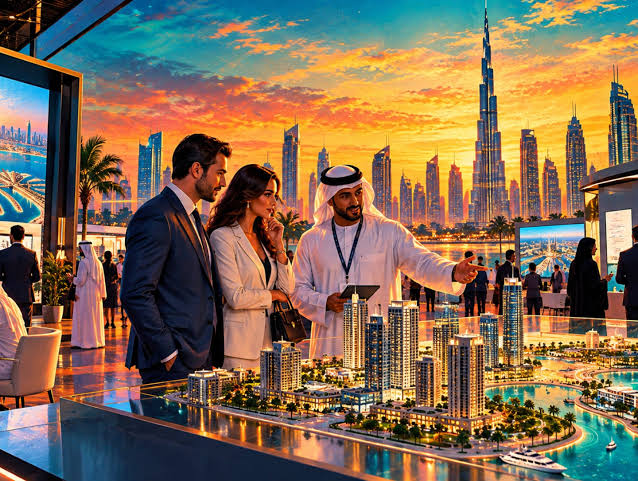
Property developers, investors, brokers, banks, architects and real estate technology companies will gather at Dubai World Trade Centre from 12 to 14 April 2027 when International Property Show returns for its 23rd edition.
Known as IPS, the three-day event positions itself as the Middle East’s largest international property sales event and a global marketplace for real estate investment.
The official platform reports more than 30,000 visitors in its latest event metrics, participation from 153 countries, over 200 exhibitors and more than AED 500 million in transactions and deals.
IPS 2027 will go further by expanding around five connected areas: core real estate, Future Cities, Design, Services and PropTech Startups.
That structure reflects how much the property industry is changing.
Buying and selling buildings remains central.
But investors now also need to understand smart-city development, financing, digital platforms, sustainability, architecture, legal services, property management and new technologies.
For buyers and real estate businesses operating in Dubai, IPS provides a concentrated three-day environment where many of those services can be compared directly.
Real Estate Is Both a Home and an Investment
Few products combine emotional and financial decisions as strongly as property.
A family buying a home cares about lifestyle.
Location.
Schools.
Community.
Space.
Quality.
An investor may examine the same property very differently.
Rental yield.
Capital appreciation.
Vacancy.
Service charges.
Financing.
Liquidity.
Future supply.
Developers need to appeal to both sets of priorities.
IPS brings end buyers and professional investors into the same marketplace, creating a different environment from a trade-only construction exhibition.
Dubai Remains an International Property Market
The city’s real estate sector attracts buyers from around the world.
Its international population creates demand across residential categories.
Investors consider rental income and long-term appreciation.
Developers continue launching master-planned communities and branded residences.
Luxury property attracts global wealth.
Infrastructure and economic growth support wider demand.
That does not mean every project is automatically attractive.
Real estate remains highly specific.
One building can outperform another only a few streets away.
Investors need to examine individual projects rather than relying only on citywide headlines.
IPS Aligns With Dubai Land Department’s Investment Strategy
The event is aligned with Dubai Land Department’s efforts to promote international property investment and strengthen the emirate’s real estate market.
Government participation matters because property depends heavily on regulation.
Ownership rules.
Registration.
Broker licensing.
Escrow systems.
Mortgages.
Rental law.
Planning.
International investors need confidence that transactions take place within a clear legal framework.
A real estate market becomes much more attractive when buyers understand how ownership rights are protected.
International Developers Add Global Choice
IPS is not limited to UAE property.
International exhibitors can showcase projects from other markets.
This gives investors opportunities to compare different countries directly.
A buyer might examine Dubai apartments, European investment opportunities and overseas holiday property during the same visit.
International property investing can offer diversification.
It also adds complexity.
Tax rules differ.
Ownership laws differ.
Currency risk matters.
Property management becomes harder from another country.
Investors need careful due diligence before purchasing internationally.
The Investor Hub Creates More Focused Conversations
IPS 2027 includes a dedicated Investors Hub.
This is designed to connect developers and investment opportunities with serious buyers and institutional participants.
Professional investors ask different questions from ordinary visitors.
What is the expected return?
How reliable is rental demand?
What comparable transactions exist?
What is the exit strategy?
How much future supply is planned nearby?
What are operating costs?
Developers need credible answers.
A beautiful model of a building may attract attention.
Financial fundamentals determine whether experienced investors commit capital.
Financing Determines Affordability
Most property buyers do not purchase entirely with cash.
Mortgage availability therefore influences demand.
Interest rates affect monthly payments.
Loan-to-value limits influence how much capital buyers need upfront.
Banks evaluate income and creditworthiness.
A property that appears affordable at one interest rate can become significantly more expensive when financing costs rise.
IPS includes a Financing & Mortgage Zone because these decisions are inseparable from property sales.
Off-Plan Property Remains a Major Segment
Off-plan sales allow buyers to purchase property before construction is complete.
Payment plans may spread costs over several years.
Investors may access new developments earlier.
Developers gain funding during construction.
The model also involves risk.
Completion dates can change.
Market conditions may shift.
The finished environment may differ from what buyers imagined.
Purchasers should understand contracts, payment schedules and developer track records rather than focusing only on promotional offers.
Completed Property Provides Different Advantages
Ready property gives buyers something tangible.
They can inspect the unit.
Understand the building.
Evaluate the surrounding neighbourhood.
Rental demand can be observed more directly.
Income may begin immediately if the property is leased.
The trade-off can be different pricing and payment structures.
Neither ready nor off-plan property is automatically better.
The right choice depends on investor goals and risk tolerance.
Rental Yield Is Only Part of Investment Return
Property marketing often emphasises rental yield.
Investors need a broader calculation.
Service charges reduce income.
Maintenance costs matter.
Vacancy reduces revenue.
Property-management fees apply.
Financing costs can be substantial.
Transaction fees affect entry and exit.
Capital appreciation may add return, but it cannot be guaranteed.
A realistic investment analysis should consider net return rather than headline rental figures.
Future Supply Matters
A neighbourhood experiencing high demand today may have thousands of new units under development.
Future supply can affect rent and resale values.
Investors therefore need to study project pipelines.
How many competing units will enter the market?
Are new schools, roads and retail facilities planned?
Is the district developing into a complete community?
Real estate investing requires understanding what a location may become, not only what it looks like today.
Future Cities Is a Major New Pillar
IPS Future Cities expands the event beyond individual buildings.
Modern urban development increasingly involves complete communities.
Transportation.
Green space.
Digital infrastructure.
Energy.
Public services.
Walkability.
Mixed-use planning.
Successful cities need these systems to work together.
Developers are increasingly selling lifestyle ecosystems rather than standalone properties.
Buyers evaluate the entire neighbourhood.
Smart-City Technology Is Becoming Part of Real Estate
Connected infrastructure can improve building and community management.
Sensors monitor energy.
Smart parking systems reduce friction.
Digital access systems improve security.
Apps connect residents with services.
Utilities use data to manage demand.
But smart-city technology needs genuine utility.
Installing connected devices without a clear purpose can add cost and cybersecurity risk.
The strongest technology solves real resident or operational problems.
PropTech Is Changing Property Transactions
IPS 2027 includes a dedicated PropTech Startups pillar.
Real estate technology now covers a wide range of businesses.
Property-search platforms.
Digital mortgage services.
Valuation tools.
Virtual tours.
Property-management software.
Fractional investment.
Blockchain-based records.
AI-powered analytics.
Smart-building systems.
Many of these technologies aim to remove friction from traditionally slow property processes.
The challenge is integration with regulation and established market practices.
AI Is Entering Real Estate Analysis
Artificial intelligence can analyse large quantities of property information.
Historical transactions.
Rental data.
Location characteristics.
Market trends.
Models may assist valuation and forecasting.
Agents can use AI to respond to leads.
Developers use data to understand buyer preferences.
But property remains highly local.
One model cannot fully capture every factor influencing an individual home.
Views.
Floor position.
Building quality.
Future construction.
Community reputation.
AI can support analysis without eliminating local expertise.
Virtual Tours Have Become Standard
International property markets benefit particularly from digital viewing.
A buyer in another country can explore an apartment remotely.
Three-dimensional tours provide more information than ordinary photographs.
Video calls allow agents to show properties live.
This can narrow choices before physical travel.
However, digital tours should not remove due diligence.
Camera angles can hide problems.
A neighbourhood experience is difficult to reproduce remotely.
Serious buyers should verify important details independently.
Blockchain Could Influence Property Infrastructure
Real estate transactions involve ownership records, contracts and payments.
Blockchain technology has been proposed as a way to improve transparency and automate parts of these processes.
Tokenisation creates another possibility.
Property interests can theoretically be divided into smaller digital units.
That could reduce entry barriers for investors.
But regulation is fundamental.
Digital tokens representing real economic assets require clear legal rights.
Technology cannot replace property law.
Design Is Becoming a Commercial Differentiator
IPS Design reflects the growing role of architecture and interiors within property sales.
Developers compete on more than location.
Floor plans matter.
Materials matter.
Lighting matters.
Shared spaces matter.
Interior specifications matter.
Premium projects increasingly collaborate with recognised architects and designers.
In competitive markets, good design can influence both buyer demand and long-term property value.
Branded Residences Continue Expanding
Branded residences have become one of the Gulf’s most visible real estate categories.
Properties may be associated with luxury hotel groups, fashion houses or lifestyle brands.
Buyers receive a recognised name, design identity and often hospitality-style services.
Developers can command premium pricing when the partnership is credible.
The category also raises questions.
How long does the branding agreement last?
What services are included?
How high are service charges?
Investors should evaluate the underlying property rather than paying only for a famous name.
Sustainability Can Influence Asset Value
Energy-efficient buildings may have lower operating costs.
Better insulation reduces cooling demand.
Efficient HVAC lowers electricity use.
Water-saving systems reduce consumption.
Green certifications can improve institutional appeal.
As regulations become stricter, inefficient older buildings may eventually require costly upgrades.
Sustainability is therefore increasingly relevant to property investment as well as environmental policy.
Legal Advice Is Essential for International Buyers
Real estate contracts can be complex.
Reservation forms.
Purchase agreements.
Mortgage documents.
Service-charge obligations.
Management contracts.
International buyers should understand exactly what they are signing.
Legal firms and professional service companies are part of the IPS ecosystem because property transactions involve significant capital.
Saving money by avoiding appropriate advice can become extremely expensive if problems arise later.
Auction Houses Add Another Sales Channel
IPS includes auction activity among its wider marketplace.
Auctions can create transparent competition around particular assets.
They may be used for residential, commercial or specialist property.
Buyers need clear financing plans because auction processes can move quickly.
Understanding reserve prices, deposits and completion requirements is essential before bidding.
Developers Launch New Projects at the Show
The Developers Launch Hub gives property companies a platform to introduce projects.
Launch timing matters enormously.
Early buyers may receive specific incentives.
Developers want concentrated visibility.
Agents want fresh inventory.
Investors want access to upcoming opportunities.
Trade-show launches create excitement because developers can combine models, presentations, sales teams and promotional offers in one environment.
International Delegates Strengthen the Investment Focus
IPS reports nearly 2,500 international delegates in its recent platform metrics.
This creates an international network extending well beyond individual retail buyers.
Government representatives.
Institutional investors.
Property companies.
Brokerages.
Service providers.
They can discuss cross-border investment and market development.
This helps position the event as a real estate congress as well as a sales exhibition.
Transactions Exceeding AED 500 Million Show Commercial Scale
The official event platform reports more than AED 500 million in transactions and deals from its latest metrics.
That number illustrates the difference between property exhibitions and many ordinary trade shows.
The underlying products are extremely high-value.
One transaction can involve millions.
An institutional project may be worth much more.
Commercial outcomes can therefore accumulate rapidly.
Three Days Where Property Meets Capital
Real estate connects physical buildings with financial markets.
Developers need buyers.
Investors need opportunities.
Homeowners need financing.
Cities need planning.
Technology companies need customers.
Designers shape the product.
Legal and financial services make transactions possible.
International Property Show 2027 brings those layers together.
From 12 to 14 April, Dubai World Trade Centre will become a marketplace for properties, projects, services and ideas about how future cities should develop.
For buyers, the opportunity is substantial.
So is the responsibility to research carefully.
A property purchase can influence personal wealth for decades.
The most valuable thing an investor takes away from IPS may therefore not be the most attractive sales offer.
It may be better information.