

AccessAbilities Expo 2026 Brings the Future of Assistive Technology to Dubai
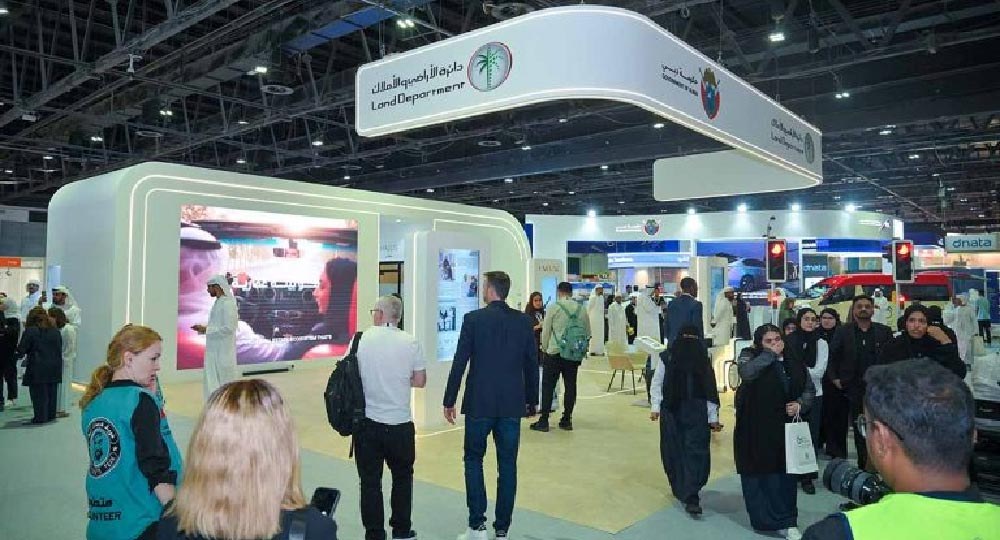
Technology designed to improve accessibility, mobility and independent living will take centre stage from 19 to 21 October 2026 when AccessAbilities Expo returns to Dubai World Trade Centre.
The eighth edition is expected to bring together around 300 companies, brands and support centres from 50 exhibiting countries, with approximately 18,000 decision-makers and visitors representing around 70 countries.
Unlike a conventional healthcare exhibition, AccessAbilities Expo focuses specifically on technologies, products, services and policies designed to support People of Determination.
Mobility systems.
Accessible vehicles.
Prosthetics.
Hearing technology.
Visual-assistance systems.
Communication devices.
Rehabilitation technology.
Smart-home solutions.
Education tools.
Workplace accessibility.
Artificial intelligence.
The exhibition brings these areas together around one central idea: technology should help people participate more fully in everyday life.
Accessibility Is a Much Bigger Market Than Many People Realise
Disability affects hundreds of millions of people globally.
But the commercial and social importance of accessibility extends beyond individuals with permanent disabilities.
Older adults may experience reduced mobility.
Someone recovering from an injury may temporarily need assistive technology.
Parents with strollers benefit from accessible design.
People with visual or hearing impairments use technology that can also improve general user experience.
Universal design therefore has a broad audience.
A product designed with accessibility in mind can often become better for everyone.
That principle is increasingly influencing buildings, transportation, websites, consumer technology and public services.
The Eighth Edition Expands the International Reach
AccessAbilities Expo 2026 will host exhibitors from approximately 50 countries.
This international participation allows visitors to compare solutions developed under very different healthcare, regulatory and cultural environments.
A mobility product developed in Europe may approach accessibility differently from one designed in Asia.
Digital solutions can scale internationally.
Specialist rehabilitation products may be adapted to different markets.
Bringing them together gives healthcare organisations, government agencies and distributors an opportunity to understand what is available globally.
For companies operating within Dubai, the event can also provide access to international assistive-technology suppliers looking for regional partners.
Mobility Technology Continues to Improve
Mobility remains one of the most visible areas of assistive technology.
Wheelchairs are becoming more sophisticated.
Power-assist systems can reduce physical effort.
All-terrain designs allow users to navigate more challenging environments.
Specialised seating can improve comfort and posture.
Vehicle modifications help people drive or travel more independently.
The goal is not simply movement.
It is autonomy.
A technology that allows somebody to travel independently can influence education, employment, social participation and overall quality of life.
Robotics Could Transform Rehabilitation
Robotics is becoming increasingly important within rehabilitation.
Robotic systems can assist patients learning to walk again.
Exoskeleton technology can support movement.
Therapy devices can guide repeated exercises.
Sensors can collect data on performance.
This does not eliminate therapists.
Instead, technology can help provide more consistent measurements and repeated movement patterns.
For rehabilitation professionals, data is particularly valuable.
Progress that feels subjective can become measurable.
How much force is the patient producing?
How is walking pattern changing?
Is movement becoming more symmetrical?
Technology can help answer these questions.
AI Is Entering Assistive Technology
Artificial intelligence has enormous potential within accessibility.
Computer vision can help describe surroundings to visually impaired users.
Speech-recognition systems can support communication.
AI can help convert speech into text.
Text can be turned into natural-sounding speech.
Translation tools can make information easier to access.
Smart assistants can help users control connected devices.
Predictive systems may personalise rehabilitation programmes.
But AI also creates risks.
Accessibility tools need to be reliable.
An inaccurate image description may be inconvenient in some contexts and dangerous in others.
Inclusive AI requires extensive testing with the people who will actually use the technology.
Smart Homes Can Increase Independence
Connected-home technology can become extremely valuable for people with mobility limitations.
Voice commands can control lights.
Doors can be automated.
Curtains can move electronically.
Temperature can be controlled remotely.
Security systems can be accessed through mobile devices.
These features may appear like convenience technologies for the general population.
For someone with limited mobility, they can provide meaningful independence.
Smart-home design is therefore becoming an important part of accessible living.
Accessible Transport Is Essential
A city can have excellent healthcare and accessible buildings but still exclude people if transport remains difficult.
Mobility therefore extends beyond wheelchairs.
Public transportation systems need accessible entrances.
Stations need clear navigation.
Taxis need appropriate options.
Parking infrastructure matters.
Airports need accessible passenger journeys.
Technology can help, but infrastructure and policy are equally important.
AccessAbilities Expo provides a place where government authorities and technology providers can discuss these challenges together.
Digital Accessibility Is Becoming Impossible to Ignore
Many essential services now operate online.
Banking.
Shopping.
Education.
Government services.
Healthcare appointments.
Employment applications.
If websites and apps are inaccessible, people can be excluded even when physical buildings are perfectly designed.
Digital accessibility therefore needs to be part of every organisation’s technology strategy.
Screen-reader compatibility matters.
Colour contrast matters.
Keyboard navigation matters.
Captions matter.
Clear language matters.
Accessible digital design should not be added only after a product is finished.
It should be considered from the beginning.
Employment Technology Can Expand Opportunity
Assistive technology can also influence employment.
Speech-to-text tools support communication.
Ergonomic devices allow employees to use computers differently.
Remote-working technology reduces transportation barriers.
Accessible software helps people perform professional tasks independently.
Employers sometimes focus on disability only through the lens of compliance.
A better approach is capability.
What does an employee need in order to perform effectively?
Sometimes a relatively small technological adjustment unlocks significant talent.
Education Is Another Major Area
Students with disabilities may require specialised learning tools.
Text-to-speech technology can help learners with visual impairments or reading difficulties.
Alternative communication devices can support students who cannot rely on spoken language.
Digital textbooks can be adapted.
Classroom environments can use accessible hardware.
The earlier students receive appropriate support, the greater the potential long-term impact.
Education technology therefore becomes one of the most important parts of the accessibility ecosystem.
Prosthetics Are Becoming More Advanced
Modern prosthetics increasingly combine materials science, engineering and digital technology.
Advanced limbs can offer greater control.
Sensors may respond to muscle signals.
3D printing can support customisation.
Improved materials can reduce weight.
But advanced technology also raises affordability questions.
A highly sophisticated prosthetic has limited social impact if only a small number of people can access it.
Manufacturers, healthcare systems and policymakers therefore need to consider cost as well as capability.
Hearing Technology Continues to Evolve
Hearing aids have become much more sophisticated than the devices available in previous decades.
Digital processing can improve sound clarity.
Smartphone connectivity allows users to adjust settings.
Directional microphones can help in noisy environments.
Some systems can connect directly to televisions, phones and public audio systems.
At the same time, cochlear implants and other medical technologies continue developing.
Events such as AccessAbilities Expo help professionals compare these solutions across different manufacturers.
Vision Technology Is Becoming More Intelligent
People with visual impairments increasingly have access to technology capable of reading text, identifying objects and supporting navigation.
Smartphones have already transformed accessibility because they combine cameras, GPS, speech recognition and internet connectivity in one portable device.
Specialist products can extend those capabilities.
Wearables may provide audio descriptions.
Navigation systems can help users understand indoor spaces.
AI-based image recognition can provide more contextual information.
The key challenge is creating tools that are reliable, affordable and easy to use.
Universal Design Can Reduce the Need for Adaptation
One of the strongest accessibility concepts is universal design.
Instead of creating a standard environment and then adding special adaptations, universal design attempts to make spaces usable by as many people as possible from the beginning.
Automatic doors benefit wheelchair users.
They also help someone carrying bags.
Clear signage supports people with cognitive or visual challenges.
It also helps visitors unfamiliar with the building.
Ramps support wheelchairs.
They also help parents with strollers.
When accessibility is integrated into design, everyone benefits.
People of Determination Must Be Part of Product Development
One of the biggest mistakes technology companies can make is designing accessibility products without meaningful input from the people expected to use them.
Engineers may identify a problem correctly but misunderstand daily reality.
A product might work technically while remaining uncomfortable or impractical.
Co-design improves outcomes.
Users should test products.
Feedback should influence development.
Accessibility should be built with people, not simply for them.
Dubai Wants to Become a Global Accessibility Hub
The event forms part of a wider ambition to make Dubai one of the world’s most inclusive cities.
Accessible transport, government services, infrastructure and technology all contribute to that goal.
Hosting a major international accessibility exhibition creates another advantage.
New technologies become visible locally.
Government agencies can meet suppliers.
Healthcare organisations can compare products.
Businesses can discover accessibility solutions.
People of Determination can interact directly with innovators.
The Expo Is Also About Policy
Technology alone cannot create an inclusive society.
Regulation matters.
Building codes matter.
Employment policy matters.
Education policy matters.
Healthcare funding matters.
Public awareness matters.
This is why AccessAbilities Expo attracts government and institutional decision-makers alongside technology companies.
The best wheelchair in the world cannot overcome a building with no accessible entrance.
The best communication device cannot solve discrimination in employment.
Accessibility requires systems, not isolated products.
Business Opportunities Are Growing
The accessibility market is also increasingly important commercially.
Populations are ageing in many countries.
Governments are strengthening inclusion standards.
Consumers expect accessible services.
Corporations face greater regulatory and social pressure.
Technology is making previously impossible solutions practical.
This creates demand for innovative companies.
Businesses able to combine strong technology with thoughtful user-centred design may find significant opportunities.
Three Days Focused on Independence
The products displayed at AccessAbilities Expo vary enormously.
Some may use advanced AI.
Others may be surprisingly simple.
But the most important question is the same.
Does this help someone live, learn, work, travel or communicate more independently?
That is what separates meaningful assistive technology from impressive demonstrations.
From 19 to 21 October, Dubai World Trade Centre will bring together companies, professionals, policymakers and users trying to answer that question.
The future of accessibility is not simply about creating more technology.
It is about creating a world where fewer people are excluded from participating in ordinary life.
AccessAbilities Expo 2026 provides one of the region’s biggest platforms for turning that goal into practical solutions.