

WETEX 2026 Brings 3,000+ Global Brands Together for Dubai’s Biggest Sustainability Exhibition
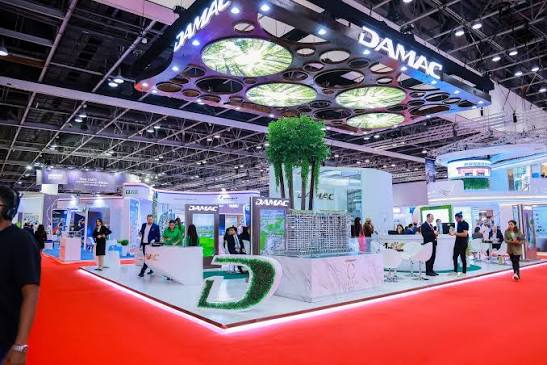
WETEX 2026 Brings 3,000+ Global Brands Together for Dubai’s Biggest Sustainability Exhibition
One of the region’s largest sustainability and clean-technology events returns from 20 to 22 October 2026 when WETEX takes over Dubai World Trade Centre for its 28th edition.
Organised annually by Dubai Electricity and Water Authority, the Water, Energy, Technology and Environment Exhibition has developed into a major international platform covering energy, water, renewable technology, environmental sustainability, artificial intelligence, smart cities, green mobility, decarbonisation and climate-related innovation.
The scale is substantial.
The previous edition attracted more than 3,100 exhibiting brands and over 50,000 visitors from around the world.
It also featured 18 international pavilions and participants from dozens of countries.
The 2026 edition builds on that scale at a time when governments and companies are under growing pressure to reduce emissions, improve energy efficiency and develop more resilient infrastructure.
WETEX Covers Much More Than Electricity and Water
The event’s name reflects its origins, but the modern exhibition is much broader.
Energy remains central.
Water remains central.
But the transition toward cleaner economies touches almost every part of infrastructure.
Electric vehicles need charging networks.
Buildings need energy-management systems.
Cities need efficient cooling.
Solar installations require storage technology.
Artificial intelligence can optimise electricity grids.
Water systems need smarter leak detection.
Green hydrogen could eventually support industrial decarbonisation.
WETEX brings these sectors together because they increasingly depend on one another.
For companies operating in Dubai and the wider region, this makes the exhibition useful even if their business is not traditionally classified as an energy company.
Renewable Energy Remains a Major Theme
Solar power naturally plays an important role.
The Gulf has enormous solar potential.
Large-scale solar parks continue expanding.
Businesses are installing rooftop systems.
Utilities are exploring how renewable energy fits into wider grids.
The cost of solar electricity has fallen dramatically over the past decade, making projects economically competitive in many markets.
But installing panels is only part of the challenge.
Renewable generation is variable.
The sun does not provide identical output throughout the day.
Electricity demand may peak at different times.
This creates demand for energy-storage solutions.
Battery Storage Is Becoming Critical
As renewable energy capacity increases, battery storage becomes more important.
Batteries can store electricity when production is high and release it when demand increases.
At utility scale, this can help stabilise grids.
At commercial scale, batteries can help businesses manage electricity use.
At residential scale, systems can potentially combine rooftop solar with stored power.
Battery technology is therefore one of the most competitive areas of the clean-energy sector.
Companies are trying to improve capacity, lifespan, safety and cost.
WETEX gives suppliers an opportunity to demonstrate these developments to utilities, governments and commercial buyers.
Green Hydrogen Continues to Generate Interest
Hydrogen is another major topic in energy transition discussions.
When hydrogen is produced using renewable electricity, it can potentially provide a lower-carbon energy source for sectors difficult to electrify directly.
Heavy industry is one example.
Long-distance transport and shipping may also benefit from hydrogen-derived fuels.
But green hydrogen still faces major challenges.
Production can be expensive.
Transport is complicated.
Infrastructure needs to be developed.
Large amounts of renewable electricity are required.
The question is therefore not whether hydrogen is interesting.
It is where it makes economic sense.
WETEX creates a platform where these practical questions can be debated alongside technology demonstrations.
Water Security Is Becoming More Important Globally
Water is another central theme.
Climate change, population growth and urbanisation are increasing pressure on water systems.
The Gulf already depends heavily on desalination.
That makes efficiency particularly important.
Traditional desalination can consume large amounts of energy.
New technologies aim to reduce that requirement.
Renewable-powered desalination could further improve environmental performance.
Water reuse is another major area.
Wastewater can be treated and used again for landscaping, industrial processes or other applications.
Every litre reused reduces demand for newly produced water.
Smart Water Networks Can Reduce Waste
Water losses through leaks create major problems globally.
A network can lose significant amounts of treated water before it ever reaches customers.
Smart meters and sensors can help identify unusual consumption.
AI-based systems can detect patterns suggesting leaks.
Utilities can respond more quickly.
This demonstrates how digital technology and sustainability increasingly overlap.
A water company is also becoming a data company.
Artificial Intelligence Is Entering Utilities
Electricity and water networks generate enormous amounts of information.
AI can analyse that data.
Utilities can forecast electricity demand.
Maintenance systems can predict equipment failures.
Energy generation can be optimised.
Customer consumption patterns can be understood more accurately.
Renewable production can be forecast using weather information.
The potential benefits are significant.
But critical infrastructure also requires reliability.
Utilities cannot deploy untested AI systems simply because the technology is fashionable.
Decisions affecting electricity grids or water systems require strong governance and cybersecurity.
Cybersecurity Is Essential to Smart Infrastructure
The smarter infrastructure becomes, the more connected it becomes.
Every connected device can create potential security risk.
Power systems are critical infrastructure.
Water systems are critical infrastructure.
A cyberattack can create consequences far beyond stolen data.
Utilities therefore need strong security around operational technology.
This includes networks, industrial control systems and connected sensors.
Sustainability and cybersecurity are sometimes discussed separately.
In modern infrastructure, they increasingly need to be addressed together.
Green Mobility Has Its Own Platform
WETEX 2026 includes a dedicated Green Mobility area.
Electric vehicles are one obvious part of this transition.
But sustainable mobility is broader.
Charging infrastructure matters.
Public transport matters.
Fleet electrification matters.
Battery technology matters.
Hydrogen vehicles may play a role in specialised applications.
Cities need to think about transport systems as complete networks rather than individual cars.
Dubai and the UAE continue investing heavily in electric and smart mobility, making the sector highly relevant to regional visitors.
Charging Infrastructure Must Grow With EV Adoption
Electric vehicle adoption can only scale effectively when drivers can charge conveniently.
This creates demand for chargers in homes, workplaces, shopping centres, hotels, public car parks and highways.
Fast chargers can reduce waiting times.
Smart chargers can adjust electricity demand.
Commercial fleets may need entirely different charging strategies from private vehicles.
Energy companies, property developers and mobility providers therefore increasingly need to work together.
WETEX provides a natural meeting point for those industries.
Buildings Are Part of the Climate Problem and Solution
Buildings consume large amounts of energy globally.
Cooling is especially important in the Gulf.
Improving building efficiency can therefore produce major savings.
Better insulation reduces heat transfer.
Efficient cooling systems reduce electricity consumption.
Smart controls prevent wasted energy.
Sensors can adjust lighting based on occupancy.
Building-management systems can analyse performance continuously.
The greenest energy is often the energy that does not need to be generated in the first place.
Efficiency therefore remains one of the cheapest tools available for reducing emissions.
District Cooling Matters in Hot Cities
District cooling is particularly relevant in Dubai and other Gulf cities.
Instead of every building relying entirely on independent cooling systems, centralised plants can produce chilled water and distribute cooling across multiple properties.
At scale, this can improve efficiency.
New technologies are making these systems more intelligent.
Data can help match cooling output with demand.
Energy storage can shift production away from peak periods.
This creates opportunities for both utilities and property developers.
Smart Cities Require Connected Systems
A smart city is not simply a city with more apps.
The deeper concept involves connecting infrastructure intelligently.
Transportation can respond to demand.
Buildings can adjust energy consumption.
Utilities can identify problems faster.
Street lighting can become more efficient.
Waste collection can be optimised.
Emergency services can use real-time information.
But smart cities also generate enormous volumes of data.
Governance becomes critical.
Who owns the data?
How is it protected?
Which systems can communicate with one another?
These are technical and policy questions at the same time.
The World Green Economy Summit Runs Alongside WETEX
The World Green Economy Summit is scheduled for 21 and 22 October at Dubai World Trade Centre alongside the exhibition.
The summit brings policymakers, business leaders and sustainability experts together to discuss the transition toward greener economies.
This adds a strategic layer to WETEX.
The exhibition showcases technology.
The summit discusses policy and investment.
Both are required.
A brilliant clean-energy technology has limited impact if regulations prevent deployment.
Ambitious climate policies have limited impact if suitable technologies do not exist.
B2B and B2G Meetings Encourage Actual Business
WETEX offers business-to-business and business-to-government networking opportunities.
This is one of the most important features for exhibitors.
A technology company may need a utility customer.
A foreign manufacturer may need a regional distributor.
An infrastructure provider may want government contracts.
Investors may search for clean-technology projects.
Large exhibitions work best when these meetings lead to actual commercial relationships.
The UAE Is Becoming a Major Clean-Energy Market
The UAE has invested heavily in solar power, nuclear energy, electric mobility, sustainable buildings and other low-carbon technologies.
That creates a strong domestic market around WETEX.
International companies can see projects already being implemented.
Regional governments are also increasing sustainability investment.
Saudi Arabia, Oman, Qatar and other Gulf markets are pursuing major energy-transition programmes.
Dubai therefore provides access to a much wider regional opportunity.
Sustainability Has Become a Business Requirement
Companies once treated sustainability mainly as a corporate-social-responsibility issue.
That is changing.
Energy costs affect profitability.
Investors evaluate environmental risk.
Customers increasingly consider sustainability.
Governments introduce new reporting requirements.
Banks may link financing to environmental performance.
Supply chains face emissions pressure.
Businesses therefore need practical solutions rather than slogans.
This creates commercial demand for the technologies showcased at WETEX.
The Challenge Is Moving From Targets to Implementation
Governments and corporations around the world have announced net-zero ambitions.
The difficult part is implementation.
How do industrial companies reduce emissions?
How can electricity grids integrate more renewable power?
How can cities reduce energy consumption?
How can transport become cleaner?
How should water systems adapt to climate change?
Which technologies are economically viable now?
Which require more development?
These are the questions that matter.
Three Days Focused on Building a More Sustainable Economy
WETEX has grown into one of the region’s most important sustainability marketplaces because it connects policy, technology and business.
Utilities attend.
Governments participate.
Manufacturers exhibit.
Technology companies demonstrate solutions.
Investors explore opportunities.
Engineering firms meet clients.
Sustainability professionals exchange knowledge.
More than 50,000 visitors attended the previous edition, demonstrating the scale of interest.
From 20 to 22 October 2026, Dubai World Trade Centre will once again become a global meeting point for industries trying to solve some of the hardest infrastructure challenges of the coming decades.
Water needs to become more efficient.
Energy needs to become cleaner.
Cities need to become smarter.
Transport needs to reduce emissions.
Businesses need practical ways to deliver on sustainability commitments.
WETEX cannot solve those problems by itself.
But by connecting the organisations building technology with the people capable of deploying it at scale, it can help move the conversation from ambition toward action.