


ISAT 2026 Brings 2,000+ Aviation Training Professionals to Dubai as Airlines Face a Global Skills Shortage
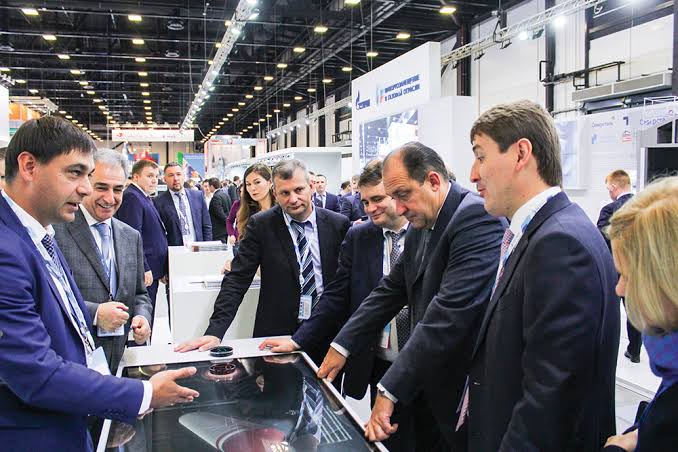
Airlines, pilot-training academies, aviation regulators, aircraft manufacturers, simulator companies, universities and recruitment specialists will gather at Dubai World Trade Centre on 14 and 15 December 2026 when the International Summit for Aviation Training brings the aviation-training ecosystem together for two days of business and professional development.
Known as ISAT, the specialist B2B exhibition and conference focuses on one of aviation’s most urgent long-term problems:
the industry needs far more trained people.
More than 2,000 attendees have already registered for the 2026 event, including representatives from over 160 airlines and more than 50 Approved Training Organisations.
The event connects the Middle East, Africa and India—three regions experiencing significant aviation growth.
Its audience spans pilot training, cabin crew, engineering, maintenance, instructional technology, airline workforce planning and regulatory standards.
ISAT’s official market outlook says aviation will need around 1.34 million new professionals globally by 2034, with approximately 465,000 required across the Middle East, Africa and India alone.
Meeting that demand requires more than recruiting people.
Training capacity itself needs to expand.
The 2026 Summit Now Takes Place in December
ISAT was initially announced for September 2026.
The organiser subsequently rescheduled the summit to 14 and 15 December at Dubai World Trade Centre.
The current official schedule lists opening hours of 10:00 to 18:00 on both days.
The change places ISAT during Dubai’s winter event season while giving participating airlines and training organisations additional time to prepare.
For the aviation industry in Dubai and across the wider region, the timing comes as airlines continue expanding fleets and route networks.
Aircraft Growth Creates a Human-Capacity Problem
Buying aircraft attracts headlines.
Every aircraft also needs people.
Pilots.
Maintenance technicians.
Cabin crew.
Ground specialists.
Dispatchers.
Trainers.
Operations staff.
A carrier cannot simply take delivery of dozens of new aircraft if it does not have enough qualified people to operate them.
Training therefore becomes infrastructure.
Simulator capacity matters almost as much as aircraft capacity.
Aviation growth is ultimately limited by the speed at which competent professionals can be trained.
Pilots Take Years to Develop
Becoming a commercial airline pilot is a lengthy process.
Students first need foundational training.
Flight hours need to be accumulated.
Licences and ratings are required.
Airline selection follows.
Type training is needed for particular aircraft.
Operators then continue recurrent training throughout a pilot’s career.
The system cannot respond instantly when airline demand suddenly increases.
Workforce planning therefore needs to begin years before shortages become critical.
Cadet Programmes Are Becoming Strategically Important
Airlines increasingly use cadet schemes to build their own future pilot pipelines.
Rather than relying completely on the open labour market, a carrier can recruit promising candidates and guide them through structured training.
This offers greater predictability.
It also requires substantial investment.
Training quality needs to remain high.
Candidate selection is critical.
Financing can affect who is able to enter the profession.
Airlines need to decide how much training capacity to own and how much to outsource.
Approved Training Organisations Need to Expand
ISAT estimates that the regional capacity challenge could require more than 400 new or expanded Approved Training Organisations.
That is a major infrastructure requirement.
Training schools need aircraft.
Instructors.
Classrooms.
Simulators.
Maintenance.
Regulatory approvals.
Airspace access.
Digital systems.
Building a training organisation is not simply opening a school and enrolling students.
Safety and standards must remain consistent while capacity grows.
Instructor Shortages Can Become the Bottleneck
A training academy may buy more aircraft or simulators.
It still needs instructors.
Experienced pilots often have attractive employment opportunities with airlines.
That can make instructor retention difficult.
If instructors leave frequently, training capacity suffers.
The 2026 ISAT programme specifically addresses instructor development and retention.
The issue is fundamental.
The industry cannot produce enough new pilots without enough qualified people to teach them.
Competency-Based Training Is Changing Aviation Education
Traditional aviation training often relied heavily on completing specified hours or manoeuvres.
Competency-based training places greater emphasis on whether professionals can demonstrate required capabilities.
Communication.
Decision-making.
Situational awareness.
Workload management.
Technical skills.
This can make training more focused on real operational performance.
However, competency assessment requires well-trained instructors and clear standards.
Evidence-Based Training Uses Operational Data
Evidence-Based Training, usually abbreviated EBT, uses data about real aviation operations and risks to shape training priorities.
Instead of treating every scenario as equally important, training can focus on competencies relevant to actual operational challenges.
The aim is not to reduce standards.
It is to make training more relevant.
Aviation generates large amounts of safety information.
Using that evidence intelligently can improve how training time is allocated.
Simulators Are Essential to Modern Pilot Training
Full-flight simulators reproduce aircraft systems and behaviour without putting a real aircraft at risk.
Pilots can practise situations that would be unsafe to create deliberately in flight.
Engine failures.
Severe weather.
System malfunctions.
Rejected take-offs.
Unusual approaches.
Simulators also reduce the need to use expensive aircraft for every training exercise.
As fleets expand, simulator demand expands with them.
Simulator Availability Can Limit Fleet Growth
A new aircraft type may require specialised simulator capacity.
If airlines purchase hundreds of aircraft simultaneously, training demand can surge.
Pilots cannot simply transfer between aircraft without appropriate qualification.
Manufacturers, airlines and training centres therefore need to coordinate capacity.
The simulator industry becomes a critical part of aircraft-delivery planning.
Virtual Reality Could Expand Lower-Level Training
Not every training task requires a multimillion-dollar full-flight simulator.
Virtual and extended-reality systems can support procedural training.
Cabin crew can practise environments.
Maintenance technicians can learn component layouts.
Pilots can familiarise themselves with cockpit procedures.
VR may reduce cost and allow more frequent practice.
Its value depends on matching technology with appropriate learning objectives.
A headset cannot replace every form of aviation training.
AI Is Entering Aviation Training
AI can potentially personalise training.
Analyse learner performance.
Identify recurring weaknesses.
Support instructional content.
Create adaptive scenarios.
Assist with administration.
But aviation training operates in a highly regulated safety environment.
AI-generated material needs validation.
Automated assessments require oversight.
Training organisations cannot treat experimental AI outputs as automatically authoritative.
The sector needs innovation without weakening reliability.
Digital Learning Can Reduce Classroom Bottlenecks
Some theoretical content can be delivered online.
Students can study before attending in-person sessions.
Learning platforms track progress.
Assessments can identify weak areas.
This allows classroom time to focus on discussion and application.
Digital learning also makes large training programmes easier to manage across multiple locations.
The challenge is maintaining engagement and ensuring students genuinely understand the material.
Human Factors Remain Fundamental
Many aviation accidents historically involved not simply mechanical failure but communication, decision-making or coordination problems.
Crew Resource Management grew partly from this understanding.
Modern training therefore addresses technical and non-technical skills together.
A technically capable pilot who communicates poorly can still create risk.
Training programmes need to build teamwork and judgement rather than only procedural memory.
Maintenance Technicians Are Equally Important
Pilot shortages receive more public attention.
Aircraft also require engineers and technicians.
Every aircraft follows strict maintenance schedules.
Engines need inspection.
Avionics require service.
Components are replaced.
Airframes undergo major checks.
As global fleets expand, maintenance organisations need significantly more qualified personnel.
ISAT therefore includes maintenance and technical training within its core programme.
Modern Aircraft Require New Technical Skills
Aircraft are increasingly digital.
Composite materials are common.
Avionics systems become more sophisticated.
Software plays a larger role.
Electric and hybrid technologies may expand gradually.
Maintenance training therefore needs constant updating.
A technician trained on older aircraft cannot automatically service every new platform.
Manufacturers and training providers need to keep curricula aligned with technological change.
Cabin Crew Training Is Also Safety Training
Cabin crew are often viewed mainly through customer service.
Their primary responsibility includes passenger safety.
Emergency evacuation.
Fire response.
First aid.
Security situations.
Equipment use.
Crew coordination.
Training facilities may include cabin mock-ups and emergency simulators.
Large airline growth therefore creates cabin-crew training requirements alongside pilot demand.
Business Aviation Has Different Training Needs
ISAT’s programme also includes business aviation.
Private and corporate operators may use smaller fleets and several aircraft types.
Training schedules can be more complex.
Crews may operate globally.
Operators need regulatory compliance without the scale of a major airline training department.
Specialist training providers therefore play an important role.
Air Traffic Growth Affects More Than Airlines
The wider aviation workforce includes air traffic controllers, airport employees, safety specialists and operational staff.
The more flights an aviation system handles, the more capacity these functions need.
Training needs to grow across the whole ecosystem.
An airline cannot expand efficiently if airport and airspace capacity fail to keep pace.
Recruitment Is Becoming International
Aviation has always been globally mobile.
Pilots and engineers frequently work outside their home countries.
Fast-growing airlines may recruit internationally while also building local talent pipelines.
This creates competition for experienced professionals.
Compensation matters.
Lifestyle matters.
Career progression matters.
Training investment can become a retention strategy.
Employees are more likely to stay when they can see long-term professional development.
The Middle East Is One of Aviation’s Key Growth Regions
Gulf airlines operate extensive long-haul networks.
Airports continue expanding.
Fleet orders are substantial.
Business aviation is growing.
Cargo remains important.
This translates directly into workforce demand.
Regional training capacity needs to develop alongside the aircraft fleet.
Otherwise airlines become dependent on a limited international labour pool that many competitors are trying to recruit simultaneously.
India Adds Enormous Workforce Demand
India has one of the world’s fastest-growing aviation markets.
Its population and expanding middle class create large potential passenger demand.
Airlines are ordering aircraft.
Airport infrastructure is expanding.
This creates enormous requirements for pilots, technicians and aviation professionals.
ISAT intentionally connects India with Middle Eastern and African markets because the workforce and training challenges overlap.
African Aviation Has Significant Long-Term Potential
Africa’s aviation market remains less developed relative to population than many other regions.
That creates long-term growth potential.
Training infrastructure is one of the barriers.
Specialists may need to travel abroad for training.
Local simulator capacity can be limited.
Building stronger regional training organisations could support airline growth while retaining more economic activity locally.
Financing Training Is a Major Challenge
Pilot training can be expensive.
High costs may prevent capable candidates from entering the profession.
Airlines, banks, academies and governments therefore explore financing models.
Sponsored cadet programmes.
Loans.
Employment-linked training.
Scholarships.
The industry needs large numbers of new professionals.
Access to training cannot depend solely on whether individuals can finance enormous costs upfront.
Diversity Could Expand the Talent Pool
Aviation has historically underrepresented women in several technical roles, particularly pilots and maintenance.
Workforce shortages create another reason to broaden recruitment.
Airlines need talent.
Ignoring large portions of the population makes little economic sense.
Schools, outreach programmes and visible career pathways can encourage more people to consider aviation careers.
Training Quality Cannot Be Sacrificed for Speed
Rapid expansion creates temptation to train people faster.
Aviation cannot compromise safety standards simply because demand is high.
Competence matters more than producing certificates.
Regulators need oversight.
Training organisations need strong quality systems.
Airlines need robust selection.
The real challenge is increasing volume while preserving standards.
Regulators Are Critical to the Training Ecosystem
Training organisations operate under aviation regulation.
Licensing rules.
Instructor approvals.
Simulator qualification.
Curriculum standards.
Medical requirements.
Safety systems.
Regulators therefore participate directly in the training-capacity challenge.
Industry growth works best when authorities and training providers communicate early about future requirements.
Business Matchmaking Makes ISAT Commercial
ISAT is not only a conference.
Its B2B exhibition and structured matchmaking connect airlines, ATOs, simulator companies and technology suppliers.
An academy may need simulators.
An airline may seek outsourced training.
A software company may need customers.
A university may want industry partnerships.
The event attempts to connect buyers with organisations capable of expanding actual training capacity.
More Than 160 Airlines Are Already Represented
The official August 2026 programme update reports more than 2,000 registered attendees, representation from over 160 airlines and more than 50 Approved Training Organisations.
That creates a highly specialised audience.
Unlike a broad aviation show, most participants share a common commercial question:
how do we train enough people for the industry’s next phase of growth?
Two Days Focused on Aviation’s Human Infrastructure
Airlines can order new aircraft within hours.
Training the professionals required to operate those fleets takes years.
That creates one of the aviation industry’s most important strategic challenges.
From 14 to 15 December 2026, ISAT will bring airlines, academies, regulators, simulator manufacturers and training-technology companies together at Dubai World Trade Centre.
Pilots.
Technicians.
Instructors.
Cabin crew.
Future professionals.
Technology will help train them more efficiently.
Standards will need to remain rigorous.
And investment in people will need to grow alongside investment in aircraft.
The next decade of aviation expansion will depend on both.