


Baby & Kids Expo 2026 Brings 250+ Family Brands and 15,000+ Visitors to Dubai Exhibition Centre
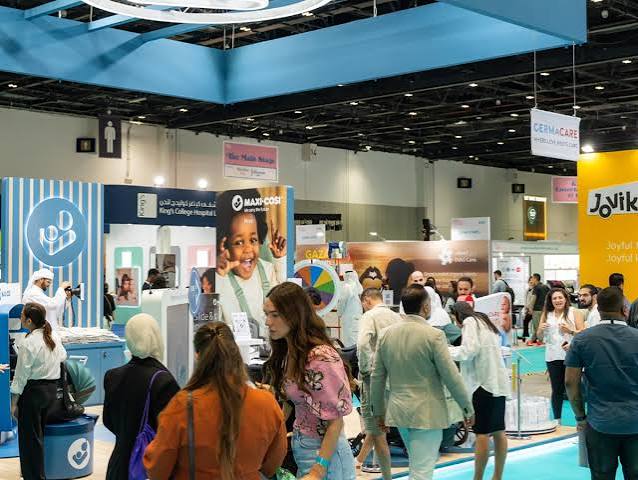
Parents, expectant families, retailers, distributors and children’s-product companies will gather at Dubai Exhibition Centre from 22 to 24 October 2026 when Baby & Kids Expo returns with an expanded format covering babies, toddlers and older children.
Formerly known as The Baby Expo, the event has broadened its scope in 2026 to create a larger marketplace for products, services and information across the early years and family sector.
Organisers expect more than 15,000 attendees, 250-plus brands and over 100 expert speakers.
The three-day programme combines a consumer show for families with a professional sourcing environment for retailers, distributors, manufacturers, investors and service providers.
Visitors can explore products across baby gear, feeding, clothing, nursery furniture, toys, education, family services, health, wellness and parenting.
That combination makes the event unusual.
A parent may attend to compare strollers.
A retailer may be searching for brands to distribute.
An international manufacturer may be looking for a GCC partner.
A healthcare provider may want to reach new families.
An educational company may demonstrate early-learning products.
For businesses serving families in Dubai and across the wider Gulf, Baby & Kids Expo provides access to both the end customer and the commercial ecosystem behind the category.
Parents Make High-Stakes Purchasing Decisions
Buying an ordinary household product can be relatively straightforward.
Products used by babies create different expectations.
Safety matters enormously.
Materials matter.
Durability matters.
Ease of cleaning matters.
Parents research extensively.
Reviews influence purchases.
Recommendations from other parents carry weight.
A poorly designed product can lose trust very quickly.
Brands therefore compete not only through appearance and price but through credibility.
The Baby Market Changes Extremely Quickly
Families move through product categories fast.
A newborn needs one set of products.
Six months later, requirements change.
Toddler years create another category.
School age brings new needs.
This means baby and child brands constantly acquire new customers while existing customers move onward.
Retention operates differently from many industries.
A company may retain a family by offering products across several developmental stages rather than selling the same item repeatedly.
The 2026 expansion beyond babies reflects this broader lifecycle.
Strollers Have Become Highly Engineered Products
A modern stroller can include sophisticated folding mechanisms.
Suspension.
Adjustable seating.
Travel-system compatibility.
Storage.
Safety restraints.
Lightweight materials.
Some are designed for city use.
Others prioritise difficult terrain.
Travel strollers need compact folding.
Parents increasingly compare specifications almost as carefully as they compare electronics.
Physical exhibitions are valuable because these products need to be pushed, folded and tested.
A photograph does not reveal whether a stroller feels practical in everyday use.
Car Seats Require Particular Attention to Safety
Child car seats are safety products rather than ordinary accessories.
Correct installation matters.
Age and size limits matter.
Vehicle compatibility matters.
International safety standards evolve.
Parents need reliable information rather than buying solely on appearance.
Retailers also have responsibility to train staff appropriately.
The safest product can still perform poorly if installed incorrectly.
Demonstrations at family exhibitions can therefore provide real value.
Nursery Furniture Combines Design and Safety
Parents naturally want attractive nurseries.
Furniture must also be safe.
Cots need appropriate construction.
Materials and finishes matter.
Gaps and moving components require attention.
Changing tables need stability.
Furniture may remain in use for several children.
Durability therefore matters alongside aesthetics.
The growing premium nursery market has encouraged brands to combine interior design with strong safety positioning.
Sleep Is One of the Biggest Parenting Categories
New parents often think extensively about sleep.
Cots.
Mattresses.
Swaddles.
Sleepwear.
Monitors.
Blackout products.
White-noise machines.
The category creates enormous commercial demand.
It also requires responsible communication.
Products should not make unsupported claims about preventing medical conditions or guaranteeing sleep.
Parents can be particularly vulnerable to exaggerated promises when they are exhausted.
Trustworthy brands need evidence and clear safety guidance.
Baby Monitors Are Becoming Smart Devices
Traditional baby monitors transmitted sound.
Modern systems may include high-resolution video, mobile applications, movement alerts, environmental sensors and AI-enabled features.
This creates convenience.
It also creates privacy and cybersecurity questions.
A camera inside a child’s room is highly sensitive.
Parents need secure passwords.
Manufacturers need reliable software updates.
Cloud services need protection.
A smart nursery is still a connected network.
Security should be part of product quality.
Wearable Baby Technology Needs Responsible Claims
Some consumer devices monitor movement, sleep or physiological signals.
These products can provide useful information.
Parents need to understand what the device can and cannot do.
A consumer wellness product is not necessarily a medical device.
False reassurance can be dangerous.
Manufacturers need to communicate limitations clearly.
Regulatory classification matters when products claim to diagnose or prevent medical problems.
Feeding Products Form a Huge Market
Bottles.
Sterilisers.
Breast pumps.
High chairs.
Food-preparation systems.
Storage.
Weaning products.
Feeding equipment becomes part of everyday family routines.
Ease of cleaning can influence purchasing almost as much as advanced features.
Parents use these products repeatedly while tired and busy.
Design that reduces friction can create strong loyalty.
Breast Pumps Have Become More Portable
Wearable and portable breast pumps illustrate how the category is changing.
Traditional equipment could restrict mobility.
New products aim to allow users greater freedom.
Battery technology, quieter motors and improved design support portability.
The market also demonstrates an important product lesson.
Technology becomes valuable when it solves a specific everyday inconvenience.
Adding connectivity alone is less important than making the product genuinely easier to use.
Baby Food Is Becoming More Diverse
Parents can choose traditional packaged baby food.
Organic products.
Fresh meals.
Purees.
Finger foods.
Subscription services.
Products designed around baby-led weaning.
Nutritional claims influence purchasing strongly.
Food safety remains fundamental.
Age-appropriate ingredients matter.
Allergen guidance matters.
Parents need clear labelling.
Brands operating across international markets also need to understand different food regulations.
Allergen Awareness Is Increasing
Food allergies create serious concerns for families.
Modern feeding guidance continues evolving as scientific evidence develops.
Brands need to avoid outdated advice and ensure accurate ingredient information.
Cross-contamination controls matter.
Parents managing diagnosed allergies need dependable labelling.
Food manufacturers serving children carry a particularly strong responsibility because consumers depend on that information for safety.
Skincare Is Another Trust-Based Category
Baby skin can be sensitive.
Parents often search for gentle products.
Creams.
Shampoos.
Washes.
Sunscreen.
Diaper products.
The word “natural” is common in marketing but does not automatically mean a product is safer.
Formulation quality and testing matter more than vague claims.
Brands that communicate ingredients transparently may have an advantage as consumers become more informed.
The Expo Includes International Brands Seeking Regional Partners
The event has already confirmed brands from markets including the UK, Italy, Australia and the United States.
International participation creates opportunities beyond consumer sales.
Manufacturers may be looking for distributors.
Retailers can discover brands not yet widely available in the UAE.
Wholesale agreements can follow.
For smaller companies, finding the right regional partner can be far more efficient than building their own local operation.
Distribution Determines Whether Products Reach Consumers
A strong international brand may still struggle in a new country without effective distribution.
Import procedures.
Warehousing.
Retail relationships.
Marketing.
After-sales service.
Local regulations.
A distributor manages much of this infrastructure.
Baby & Kids Expo includes dedicated business networking specifically to connect international companies with regional retailers and partners.
The commercial side of the event may therefore shape which brands appear in Gulf stores during subsequent years.
Educational Toys Are Expanding
Parents increasingly look for products that combine play with learning.
Construction toys.
Puzzles.
STEM kits.
Creative materials.
Coding toys.
Language products.
The strongest educational toys remain enjoyable.
Children rarely care that a product has been labelled educational if it is not fun.
Good design embeds learning inside play rather than turning every activity into formal instruction.
Screen Time Has Changed the Toy Conversation
Digital devices are part of children’s lives.
Parents increasingly try to balance technology with physical play.
Traditional toys remain important.
Building.
Drawing.
Role-playing.
Outdoor activity.
Digital learning can also provide value when used thoughtfully.
The debate is becoming less about whether screens are always good or bad and more about content, duration, age and context.
AI Is Entering Children’s Products
AI-enabled toys and educational platforms are beginning to appear.
Conversational systems can answer questions.
Adaptive learning software changes difficulty.
Interactive characters can respond dynamically.
This creates exciting possibilities.
It also raises serious privacy and safety questions.
Children may reveal personal information without understanding the consequences.
Companies designing AI products for children need stronger protections than ordinary consumer applications.
Children’s Data Requires Exceptional Care
An app designed for adults can still create privacy concerns.
Children deserve even greater protection.
Names.
Voice recordings.
Images.
Location.
Learning performance.
All can be sensitive.
Parents should understand what information a product collects and why.
Businesses should collect only what is necessary.
Data protection will become a major differentiator as connected toys and family applications expand.
Family Services Extend Beyond Physical Products
The expo also includes healthcare, childcare, maternity support, education and household services.
Families do not only purchase objects.
They need expertise.
Nannies.
Tutors.
Clinics.
Maternity support.
Activities.
Education.
The family economy is therefore a broad service market alongside retail.
An event bringing these providers together becomes a discovery platform for parents and a customer-acquisition opportunity for businesses.
Parents Want Reliable Information
The internet provides enormous amounts of parenting advice.
Much of it conflicts.
One source recommends one approach.
Another says the opposite.
Social media increases confusion further.
Expert-led sessions can help when speakers have appropriate qualifications and distinguish evidence from personal opinion.
The 2026 show expects more than 100 expert speakers across workshops and seminars.
That educational programme is one of the reasons families attend beyond shopping.
Expectant Parents Are an Important Audience
Purchasing often begins before birth.
Pregnancy introduces completely new categories.
Maternity clothing.
Prenatal products.
Hospital preparation.
Baby equipment.
Parents may make several high-value purchases within a few months.
This makes expectant families commercially important.
It also means companies should avoid fear-based marketing.
Responsible brands inform parents rather than making them feel inadequate for not purchasing every possible product.
The Parenting Market Is Highly Influenced by Social Media
Parents share product recommendations online.
Strollers are reviewed.
Nurseries are photographed.
Feeding products are demonstrated.
Influencers can rapidly increase awareness of relatively unknown brands.
This creates opportunity.
It also creates volatility.
A viral product can experience demand faster than its supply chain can respond.
Brands need sufficient inventory and customer service before large campaigns produce attention.
User Reviews Can Make or Break Products
Parents often read large numbers of reviews before purchasing.
Common complaints become visible quickly.
A stroller that is difficult to fold.
A bottle that leaks.
An app that disconnects.
A toy that breaks easily.
Manufacturers now receive almost continuous feedback from customers.
Companies able to use this information to improve products can develop faster.
Ignoring repeated complaints damages reputation.
Sustainability Is Reaching the Children’s Market
Children outgrow products quickly.
Clothing may fit for only months.
Equipment can become unnecessary within a few years.
This creates significant opportunities for resale and circular models.
Second-hand strollers.
Rental equipment.
Pre-owned clothing.
Toy subscriptions.
Products designed for durability can retain value across multiple families.
Parents may become more comfortable with resale when safety and hygiene can be assured.
Rental Can Make Sense for Short-Lived Needs
Certain products are needed only temporarily.
Travel equipment.
Specific toys.
Maternity products.
Short-term furniture.
Rental reduces the need to purchase items used for only a few weeks.
Companies can create subscription or rental models around these needs.
The challenge is cleaning, logistics and ensuring products remain safe between users.
Retailers Need to Understand the Whole Family Journey
A baby retailer can build a relationship extending for years if it understands changing needs.
Pregnancy.
Newborn.
Feeding.
Mobility.
Toddler.
Early learning.
School preparation.
The product mix evolves constantly.
Customer data can help retailers anticipate transitions.
But communication needs restraint.
Parents do not want to feel constantly targeted.
Personalisation should improve relevance rather than create discomfort.
Trade Buyers Gain a Dedicated Sourcing Opportunity
Baby & Kids Expo includes specific trade registration and business networking.
Retailers can identify new products.
Distributors can meet international manufacturers.
Brands can search for licensing partners.
Investors can examine growth categories.
The event therefore functions as both family experience and professional marketplace.
This dual structure increases its commercial significance.
15,000+ Attendees Create a Large Regional Platform
Dubai Exhibition Centre expects more than 15,000 attendees, over 250 brands and more than 100 speakers during the three-day show.
The expanded scope beyond infancy means the event can attract families across a wider age range while giving exhibitors access to a larger market.
That growth also reflects Dubai Exhibition Centre’s increasing role as a venue for large-scale consumer and trade events.
Three Days Focused on a Market Built Around Trust
Few consumer markets depend on trust as strongly as products for children.
Parents want quality.
Safety.
Useful information.
Reliability.
Products that make family life easier.
From 22 to 24 October 2026, Baby & Kids Expo will bring hundreds of companies and thousands of families together at Dubai Exhibition Centre.
Some visitors will arrive looking for one stroller or toy.
Others will be searching for the next brand to distribute across the GCC.
Both groups ultimately ask a similar question:
Is this something I can trust for a child?
The companies able to answer that convincingly are the ones most likely to succeed.