


Private Label Middle East 2026 Connects Retailers With 300+ Manufacturers and Suppliers in Dubai
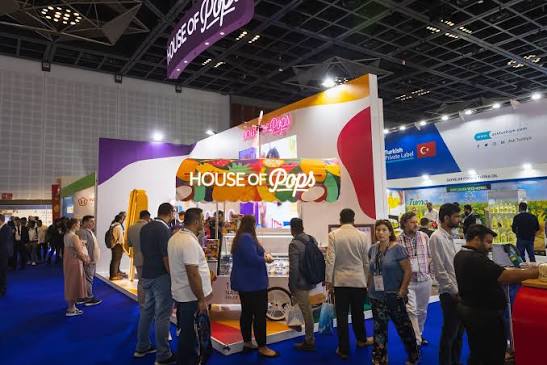
Retailers, supermarket buyers, distributors, brand owners and contract manufacturers will gather at Dubai World Trade Centre from 3 to 5 November 2026 when Private Label Middle East returns for three days dedicated to one of the fastest-changing areas of modern retail.
The exhibition connects businesses that want to launch products under their own brands with manufacturers capable of producing those products.
Food.
Beverages.
Beauty.
Personal care.
Household cleaning.
Health and wellness.
Baby products.
Packaging.
Private-label opportunities now extend across almost every consumer category.
The 2026 platform is expected to bring together more than 300 exhibitors and thousands of professional visitors, with manufacturers representing numerous markets.
It will run alongside Gulfood Manufacturing, ISM Middle East and GulfHost, creating a much broader sourcing ecosystem around manufacturing, hospitality, snacks and retail products.
For companies based in Dubai and across the Gulf, this concentration provides a practical opportunity to turn a product idea into something that can actually reach store shelves.
Private Label Is No Longer Simply the Cheap Alternative
Store brands were once associated mainly with basic products sold at lower prices than well-known brands.
That model has changed dramatically.
Retailers now develop premium private labels.
Organic ranges.
Healthy products.
Luxury beauty.
Specialist household items.
Regional flavours.
Baby-care products.
Private label has become a branding strategy rather than merely a pricing strategy.
A supermarket can use its own products to differentiate itself from competitors.
If every retailer sells the same international brands, private-label products create something customers cannot buy in exactly the same form elsewhere.
Retailers Gain Greater Control
Private label gives retailers influence over several parts of the product.
Specification.
Ingredients.
Packaging.
Positioning.
Price.
Brand identity.
Pack size.
Product claims.
A retailer can identify a gap in its category and work with a manufacturer to create something specifically for that customer base.
That flexibility is strategically valuable.
But control also creates responsibility.
The retailer’s name may appear on the product.
Quality problems therefore damage the retailer directly.
Finding the Right Manufacturer Is Critical
A good idea means little without a capable production partner.
Manufacturers need appropriate equipment.
Quality systems.
Capacity.
Certifications.
Raw-material access.
Packaging capabilities.
Experience with relevant regulations.
A small brand launching its first product may also require relatively low minimum order quantities.
A large retailer needs suppliers capable of manufacturing enormous volumes consistently.
Private Label Middle East allows buyers to compare these capabilities face to face.
Contract Manufacturing Reduces the Barrier to Entry
Building a factory is expensive.
Equipment needs capital.
Employees require training.
Certifications take time.
Manufacturing creates operational complexity.
Contract manufacturing allows brands to outsource production instead.
This means an entrepreneur can focus on product concept, branding and distribution while a specialist partner handles manufacturing.
Established companies also use contract manufacturers when they do not want to build capacity internally.
The model makes product launches faster but increases dependence on supplier quality.
OEM and White-Label Models Are Different
Private-label manufacturing can operate in several ways.
A white-label product may already exist and be offered to several customers under different brands.
This can be relatively fast.
An OEM or customised product may be developed according to specific requirements.
Ingredients can change.
Packaging can be unique.
Performance characteristics can be adjusted.
Greater customisation may improve differentiation.
It can also increase development time, minimum order quantities and cost.
Buyers need to understand which model matches their strategy.
Food and Beverage Remain Major Categories
Food is one of the largest private-label sectors.
Pasta.
Snacks.
Sauces.
Dairy products.
Frozen foods.
Beverages.
Bakery.
Rice.
Coffee.
Tea.
Retailers can create products at several price levels.
An entry-price range may focus on affordability.
A premium line may emphasise ingredients and packaging.
Health ranges target nutrition-conscious consumers.
International retailers often adapt products to local preferences rather than selling identical ranges everywhere.
Local Taste Matters
A product successful in Europe may not automatically succeed in the Gulf.
Flavour preferences differ.
Pack sizes differ.
Dietary expectations matter.
Halal requirements are essential in many categories.
Arabic labelling may be necessary.
Ramadan creates distinctive seasonal demand.
Retailers need manufacturers capable of adapting products to regional requirements.
Private-label success therefore depends on localisation as much as manufacturing.
Beauty Is Becoming a Strong Private-Label Opportunity
Beauty and personal care are expanding categories for contract manufacturing.
Skincare.
Haircare.
Bath products.
Fragrance.
Oral care.
Men’s grooming.
Sun care.
Brands can launch products without owning laboratories or factories.
However, cosmetics require careful formulation and testing.
Claims need support.
Ingredients must comply with regulation.
Packaging needs compatibility with the formula.
A visually attractive product that becomes unstable after several months is a commercial failure.
Social Media Has Accelerated New Beauty Brands
Beauty brands can now build audiences online before entering traditional retail.
Influencers launch product lines.
Creators develop skincare.
E-commerce allows direct sales.
Contract manufacturing makes this possible because founders do not need their own factories.
This has created more competition.
Consumers can choose from enormous numbers of brands.
Product quality and differentiation become more important as the market becomes crowded.
Household Products Offer Everyday Scale
Cleaning and household products may appear less glamorous than beauty or premium food.
They offer significant commercial potential because consumers purchase them repeatedly.
Laundry.
Dishwashing.
Surface cleaners.
Paper products.
Air care.
Private-label household ranges allow retailers to compete strongly on value.
Increasingly, sustainability also matters.
Concentrated products can reduce packaging.
Refill formats are growing.
Brands experiment with lower-impact ingredients.
Health and Wellness Are Expanding
Consumers increasingly seek products associated with healthier lifestyles.
Supplements.
Functional foods.
Protein products.
Healthy snacks.
Wellness beverages.
Personal-care products.
This creates opportunities for private labels.
It also creates regulatory responsibility.
Health claims need evidence.
Manufacturing standards matter.
Products consumed by customers require especially strong quality control.
Retailers cannot treat wellness as simply another marketing theme.
Baby Products Depend on Trust
Parents are highly sensitive to safety.
Baby food.
Skincare.
Wipes.
Diapers.
Personal-care products.
Private-label products in this category need strong quality assurance.
A retailer may benefit from customer trust built over years.
One safety issue can damage that trust quickly.
Supplier selection therefore becomes particularly important.
Packaging Creates the First Impression
Consumers often see packaging before they experience the product.
Colour communicates positioning.
Materials influence perception.
Information needs clarity.
Products must stand out on crowded shelves.
Packaging also performs practical functions.
It protects food.
Prevents leakage.
Extends shelf life.
Allows transportation.
For private-label brands, packaging is one of the main opportunities to create a distinctive identity.
Sustainability Is Changing Packaging Decisions
Retailers face increasing pressure to reduce unnecessary packaging.
Plastic use is scrutinised.
Consumers notice excessive materials.
Regulations may require changes.
Brands experiment with recyclable structures, lightweight packs and refill solutions.
But packaging still needs to protect the product.
A fragile package that causes damaged goods can create more waste rather than less.
Sustainability needs to be evaluated across the entire product lifecycle.
AI Can Accelerate Product Development
Artificial intelligence may increasingly support private-label development.
Retailers hold enormous amounts of customer data.
They can identify purchasing trends.
Search behaviour can reveal unmet demand.
AI can analyse product reviews.
Teams can identify complaints about existing categories.
Generative systems can assist with early packaging concepts or marketing content.
The most valuable use may be faster consumer insight.
Instead of guessing what customers want, retailers can examine real behavioural data.
Data Gives Retailers a Unique Advantage
Retailers know what shoppers actually buy.
They understand basket combinations.
Seasonality.
Price sensitivity.
Regional differences.
Loyalty behaviour.
This gives them information manufacturers may not possess.
Private-label development can use those insights directly.
If customers consistently purchase two related products together, a retailer may identify a new bundle or product format.
If shoppers abandon a category at a particular price point, the retailer may develop a lower-cost alternative.
Data turns private label into a strategic portfolio rather than random product copying.
Quality Control Protects the Brand
Retailers outsourcing manufacturing cannot outsource responsibility completely.
Products need testing.
Factories may require audits.
Specifications need documentation.
Incoming batches need consistency.
Complaints should be investigated.
Food-safety systems are essential.
Beauty products require appropriate quality controls.
The strength of a private-label programme often depends on processes consumers never see.
Minimum Order Quantity Can Decide Whether a Partnership Works
Factories need efficient production runs.
Very small orders may be uneconomic.
Buyers, however, do not want excessive inventory.
This creates tension around minimum order quantity, usually shortened to MOQ.
A startup may prefer 5,000 units.
A factory may want 50,000.
Finding manufacturers whose production model fits the buyer’s scale is essential.
The right supplier at launch may also need enough capacity to support future growth.
Lead Time Has Become Strategically Important
Consumer trends move quickly.
A product category can become popular through social media within weeks.
Retailers able to respond quickly can benefit.
Long development and shipping timelines can mean arriving after the trend has peaked.
Nearshoring and multi-origin sourcing are therefore attracting more attention.
Speed has become part of supplier competitiveness.
Supply-Chain Resilience Matters More Than the Lowest Price
Recent global disruptions changed procurement thinking.
The cheapest supplier may not be the best supplier if transportation is unreliable.
Businesses increasingly consider geographic diversification.
Alternative manufacturers.
Regional stock.
Production capacity.
Lead times.
Political risk.
A slightly higher product cost can sometimes create a more resilient overall business.
Private Label Middle East positions multi-origin sourcing as one of its important advantages.
Private Label Can Improve Retail Margins
Retailers often earn stronger margins from own-brand products because they control more of the value chain.
There is no external brand owner requiring its own margin.
But profitability depends on scale.
Packaging development costs money.
Inventory creates risk.
Marketing is still necessary.
Low sales volumes can make seemingly attractive margins disappear.
Successful private label depends on strong category management.
Premiumisation Is Changing the Category
Own-brand products no longer need to look inexpensive.
Premium packaging.
Specialty ingredients.
Organic certification.
Small-batch positioning.
Distinctive flavours.
Retailers increasingly build multi-tier portfolios.
Value.
Mainstream.
Premium.
Specialist.
This mirrors the strategy of large consumer brands and demonstrates how sophisticated private label has become.
E-Commerce Creates New Opportunities
Digital retailers can launch their own products as well.
Online platforms know search patterns and customer preferences.
They do not need traditional shelf space.
Product pages can be modified quickly.
Customer reviews provide immediate feedback.
But online brands face a different challenge.
Packaging must photograph well.
Descriptions need clarity.
Reviews can quickly amplify quality problems.
The digital shelf is just as competitive as the physical one.
The Show Connects the Entire Development Process
Private Label Middle East goes beyond finished products.
Packaging companies participate.
Manufacturers attend.
Product developers participate.
Certification and testing services matter.
Logistics providers support distribution.
The finished item on a supermarket shelf may therefore involve several businesses discovered through the same event.
This is particularly useful for entrepreneurs who know what they want to sell but do not yet understand every step required to produce it.
Co-Location Creates a Larger Food and Retail Ecosystem
The event runs alongside Gulfood Manufacturing, ISM Middle East and GulfHost.
This means visitors can move between contract manufacturing, sweets and snacks, industrial food production and hospitality supply during the same trip.
A retailer could discover a snack brand at ISM.
Meet a contract manufacturer at Private Label Middle East.
Explore packaging technology at Gulfood Manufacturing.
That concentration creates unusually efficient sourcing.
Three Days From Idea to Shelf
Every product begins with an idea.
Turning it into something customers can buy requires much more.
Formulation.
Manufacturing.
Testing.
Packaging.
Certification.
Pricing.
Logistics.
Retail positioning.
Private Label Middle East 2026 brings many of those capabilities into one building.
From 3 to 5 November, retailers will search for manufacturers.
Manufacturers will search for customers.
Entrepreneurs will explore how to turn concepts into businesses.
And established brands will look for ways to move faster.
Private label used to mean putting a retailer’s name on somebody else’s product.
Today, the strongest programmes operate much more like genuine consumer brands.
That transformation is exactly what this event represents.