


DIHAD 2027 Brings the Global Humanitarian Community Together in Dubai
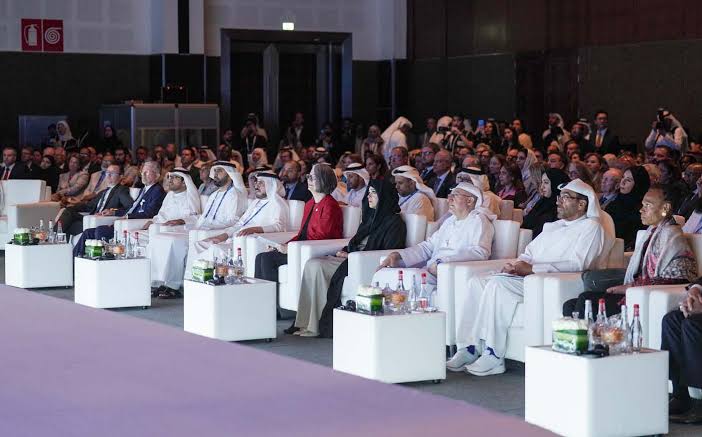
Humanitarian organisations, United Nations agencies, governments, charities and emergency-response specialists will gather at Dubai World Trade Centre from 4 to 6 May 2027 when the Dubai International Humanitarian Aid and Development Conference and Exhibition returns for its 22nd edition.
Known internationally as DIHAD, the three-day event has grown since its establishment in 2004 into a global meeting point for organisations responding to humanitarian emergencies and long-term development challenges.
More than 20,000 attendees are expected across a community that includes United Nations agencies, the International Red Cross and Red Crescent Movement, NGOs, government authorities, donors, foundations, charities, academic institutions and private-sector suppliers.
The 2027 programme extends well beyond a traditional conference and exhibition.
It includes high-level roundtables.
A humanitarian partnership hub.
Emergency-management programming.
Fundraising and pledging.
Capacity-building activities.
Specialised side events.
Memorandum-of-understanding signings.
And the First Aid World Cup.
For organisations working in humanitarian response, DIHAD provides an opportunity to discuss something extremely practical: how aid can reach vulnerable people faster, more effectively and with greater long-term impact.
Humanitarian Needs Are Becoming More Complex
Humanitarian organisations face a difficult global environment.
Armed conflicts displace millions of people.
Earthquakes and floods can destroy communities within minutes.
Climate-related disasters create new risks.
Food insecurity affects vulnerable populations.
Disease outbreaks put pressure on weak health systems.
Refugee situations can continue for years.
These crises rarely exist in isolation.
A conflict can disrupt food supply.
Displacement can create healthcare challenges.
Infrastructure damage can limit access to clean water.
Education may stop.
Livelihoods disappear.
Humanitarian response therefore requires multiple organisations working simultaneously.
DIHAD is designed to bring many of them together.
Dubai Has Become an Important Humanitarian Logistics Hub
Geography matters enormously during an emergency.
Aid needs to move quickly.
Aircraft need access.
Warehouses need supplies.
Transport networks need reliability.
The UAE has developed substantial humanitarian logistics capabilities, and Dubai serves as a significant connection point between Asia, Africa, Europe and the Middle East.
International humanitarian organisations maintain operations in the city.
Logistics companies support relief shipments.
The broader aviation and port infrastructure gives organisations access to multiple crisis-prone regions.
This makes the city a practical as well as symbolic location for DIHAD.
The United Nations Is a Major Part of the Ecosystem
United Nations agencies operate across numerous humanitarian fields.
The World Food Programme provides emergency food assistance.
UNHCR supports refugees.
UNICEF focuses heavily on children.
The World Health Organization supports public health.
FAO works around agriculture and food systems.
Other agencies contribute expertise in development, education and crisis response.
DIHAD brings several of these organisations into the same professional environment with NGOs, governments and commercial suppliers.
Coordination matters because duplication wastes limited resources.
NGOs Often Deliver Aid Closest to Communities
International and local NGOs play essential roles during emergencies.
Some specialise in medicine.
Others provide shelter.
Food.
Education.
Water.
Protection.
Livelihood support.
Local organisations can have particularly strong knowledge of affected communities.
They understand languages.
Culture.
Geography.
Existing relationships.
International organisations increasingly recognise that humanitarian systems work best when local actors participate meaningfully rather than simply implementing decisions made elsewhere.
Humanitarian Logistics Can Determine Whether Aid Works
Relief supplies have no value if they cannot reach the people who need them.
Humanitarian logistics may involve transporting goods into difficult environments.
Roads may be damaged.
Airports may be closed.
Borders may be complicated.
Security conditions can change quickly.
Supplies may need temperature control.
Warehouses need inventory systems.
Humanitarian organisations therefore require highly specialised logistics expertise.
DIHAD exhibitors include companies working across sea, air and land transport as well as emergency supply chains.
Emergency Healthcare Requires Special Capabilities
Healthcare during disasters is fundamentally different from ordinary medical operations.
Hospitals may be damaged.
Electricity may fail.
Water supplies may become unsafe.
Large numbers of patients can arrive simultaneously.
Mobile clinics may be required.
Field hospitals can provide temporary capacity.
Ambulances need to operate in difficult conditions.
Medical supply chains must continue.
DIHAD brings healthcare suppliers together with organisations responsible for deploying these resources.
Mobile Clinics Can Reach Remote Populations
Mobile healthcare solutions are particularly valuable when permanent facilities do not exist or cannot operate.
Vehicles can be converted into medical clinics.
Diagnostic services can travel.
Vaccination programmes can reach remote communities.
Maternal healthcare can be provided closer to populations.
These systems are useful during disasters but can also support long-term development.
A temporary humanitarian solution can sometimes evolve into a more sustainable service model.
Clean Water Is Often the First Priority
Water, sanitation and hygiene — commonly grouped as WASH — are fundamental humanitarian priorities.
People can survive only a limited time without safe water.
After disasters, water infrastructure may be damaged.
Flooding can contaminate supplies.
Displacement camps need sanitation systems.
Water purification therefore becomes critical.
Solutions range from portable filters to large treatment systems.
The challenge is deploying equipment that works reliably under difficult field conditions.
Food Assistance Is More Complicated Than Delivering Calories
Emergency nutrition requires careful planning.
Some people need basic food supplies.
Severely malnourished children may require specialised therapeutic products.
Infants have specific nutritional requirements.
Supply chains need to consider shelf life.
Food needs to match local diets where possible.
Cash-based assistance may sometimes work better than transporting physical products.
Humanitarian organisations increasingly choose between food delivery, vouchers and cash depending on market conditions.
Cash Assistance Has Changed Humanitarian Response
Where local markets still function, giving people cash or digital assistance can offer important advantages.
Families can choose what they need.
Local businesses receive economic activity.
Humanitarian organisations reduce some logistics requirements.
But cash assistance needs secure payment systems.
Fraud needs to be managed.
Local inflation needs monitoring.
People without digital access must not be excluded.
Fintech is therefore becoming increasingly relevant to humanitarian work.
Technology Can Improve Crisis Response
Digital tools now support many areas of humanitarian operations.
Satellite images can help assess disaster damage.
Drones may survey inaccessible areas.
Mobile data tools collect field information.
Digital identity systems can support assistance programmes.
AI can analyse large datasets.
Predictive models may help identify where future crises are likely to become severe.
But technology needs to match field realities.
A sophisticated cloud system provides limited benefit in an environment without electricity or internet access.
DIHAD exhibitors include solutions specifically designed for challenging conditions.
Offline Technology Can Be Extremely Valuable
Some humanitarian technology is intentionally simple.
Education systems may work without continuous internet.
Solar-powered devices can operate in remote areas.
Radio remains essential.
Satellite communications support teams when mobile networks fail.
Durability often matters more than advanced features.
Equipment needs to survive dust, heat, transport and rough handling.
Humanitarian innovation is therefore not always about the most advanced technology.
It is about what works under real constraints.
Climate Change Is Increasing Humanitarian Risk
Climate-related events are placing additional pressure on humanitarian systems.
Extreme heat.
Drought.
Flooding.
Storms.
Food insecurity.
Population displacement.
Humanitarian agencies increasingly need to prepare for crises that may become more frequent or severe.
This creates a shift from response toward resilience.
Waiting until disaster happens is expensive.
Communities can often reduce damage through preparedness.
Preparedness Can Save Lives Before Disaster Happens
Early-warning systems provide communities time to act.
Emergency supplies can be positioned in advance.
Evacuation plans can be tested.
Hospitals can prepare surge capacity.
Authorities can identify vulnerable populations.
Training reduces confusion.
Preparedness rarely receives the same attention as dramatic emergency response.
Yet it can save more lives.
DIHAD’s 2027 programme places strong emphasis on emergency and catastrophe management for this reason.
The First Aid World Cup Adds Practical Skills
The First Aid World Cup is being organised in collaboration with the International Federation of Red Cross and Red Crescent Societies.
Teams demonstrate emergency preparedness and life-saving first-aid skills.
This adds an unusually practical element to the event.
Emergency response ultimately depends on people performing correctly under pressure.
Knowing theory is not enough.
Skills need practice.
Development Must Continue After Emergency Relief
Humanitarian assistance and development are closely connected.
A disaster may require immediate food and shelter.
Months later, communities need livelihoods.
Schools need reopening.
Health systems require reconstruction.
Infrastructure needs repair.
If organisations focus only on emergency assistance, communities can remain dependent.
Development work aims to build longer-term resilience.
DIHAD deliberately combines humanitarian aid and development because the boundary between them is rarely clean.
Humanitarian Funding Is Under Pressure
Needs around the world are enormous, while available resources are limited.
Donors need to decide where money goes.
Organisations compete for funding.
Public expectations around transparency are growing.
Humanitarian agencies therefore need to demonstrate impact.
How many people were reached?
What changed?
How efficiently were funds used?
Did programmes create sustainable improvement?
Data and evaluation are becoming increasingly important.
Private Companies Have a Role
Humanitarian response is not performed only by charities.
Commercial companies supply logistics.
Medical devices.
Emergency shelters.
Communications.
Vehicles.
Water systems.
Energy products.
Software.
Food.
Private-sector expertise can help humanitarian organisations operate more efficiently.
However, commercial partnerships need clear standards and ethical procurement.
The objective must remain effective assistance to vulnerable populations.
Partnership Hub Focuses on Collaboration
DIHAD’s Partnership Hub is designed to connect organisations that may benefit from working together.
A humanitarian organisation may need a logistics provider.
A technology company may need an NGO capable of testing equipment in real environments.
A donor may search for credible implementation partners.
A government can identify organisations for emergency cooperation.
These relationships can be difficult to establish during a crisis.
Building them beforehand makes response faster.
High-Level Roundtables Address Strategic Problems
Senior leaders need spaces where they can discuss systemic challenges.
How should humanitarian financing change?
How can organisations prepare for climate-driven disasters?
How should international aid systems work with local organisations?
What role should technology play?
How can relief operations become more sustainable?
Roundtable discussions create a smaller environment for these questions than traditional conference stages.
20,000+ Attendees Create a Global Humanitarian Marketplace
DIHAD expects engagement with more than 20,000 participants.
The audience is unusual because commercial companies share space with NGOs, UN agencies, government authorities and charities.
These groups may operate differently, but they depend on one another.
Emergency organisations need supplies.
Companies need to understand humanitarian requirements.
Governments coordinate response.
Donors provide funding.
Academics evaluate programmes.
Bringing them together creates opportunities for collaboration before the next crisis occurs.
Three Days Focused on Helping People Under the Hardest Conditions
Humanitarian work happens when normal systems fail.
Homes are destroyed.
Hospitals are overwhelmed.
Families are displaced.
Food becomes scarce.
Communications disappear.
People need help quickly.
The solutions displayed at DIHAD may include advanced technology, but many are ultimately designed around basic human needs.
Food.
Water.
Shelter.
Healthcare.
Safety.
Communication.
From 4 to 6 May 2027, Dubai World Trade Centre will bring together thousands of people and organisations trying to deliver those essentials more effectively.
The real measure of DIHAD will not be the size of its exhibition halls.
It will be whether the partnerships and ideas created there improve what happens when the next emergency begins.