


WORKSPACE 2027 Brings the Future of Offices, AI and Workplace Wellbeing to Dubai
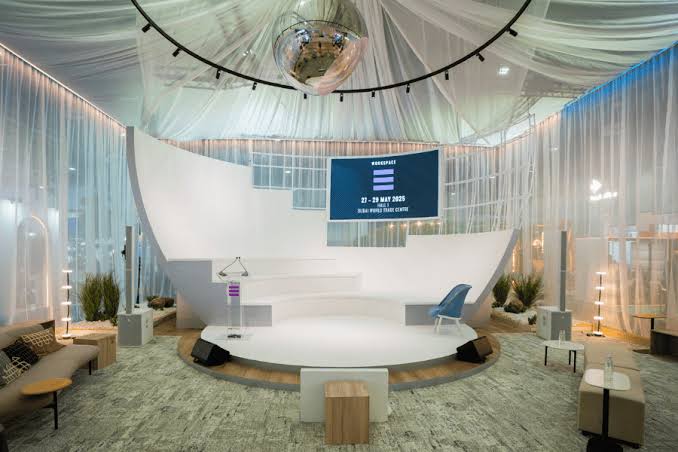
The way people work has changed dramatically over the past decade, and the offices designed for that work are changing with it.
From 1 to 3 June 2027, WORKSPACE returns to Dubai World Trade Centre to bring together the companies, designers, workplace strategists, technology providers and corporate decision-makers shaping the next generation of offices across the Middle East and North Africa.
Now entering its 13th edition, WORKSPACE focuses on three areas increasingly influencing workplace investment: office interiors, workplace technology and employee wellbeing.
The event is aimed at professionals responsible for deciding how offices are designed, equipped and operated.
Corporate real estate executives.
Facilities managers.
Interior designers.
Architects.
Human resources teams.
Technology directors.
Project managers.
Developers.
Procurement specialists.
Wellness consultants.
For these professionals, the office is no longer simply a collection of desks.
It has become a strategic tool influencing productivity, collaboration, employee experience, technology adoption and even an organisation’s ability to attract talent.
The Office Has Changed Permanently
Thirty years ago, many offices followed a predictable model.
Rows of desks.
Private offices for senior employees.
Meeting rooms.
Fixed working hours.
Employees were expected to be physically present almost every day.
That model has been disrupted.
Remote work expanded.
Hybrid working became normal across many industries.
Video meetings became routine.
Employees gained greater expectations around flexibility.
Companies began questioning how much office space they actually needed.
This created a fundamental challenge.
If people can work from home, what is the office for?
WORKSPACE 2027 is built around this question.
The answer increasingly appears to be that offices need to offer something employees cannot easily reproduce at home.
Collaboration.
Social connection.
Creative interaction.
Specialist technology.
Team identity.
Access to colleagues.
Spaces designed for different types of work.
The modern office therefore needs to justify the commute.
Dubai Is Becoming a Major Workplace Design Market
Rapid commercial development across Dubai and the wider Gulf is creating significant demand for workplace products and services.
International companies continue establishing regional operations.
Technology companies require new offices.
Professional-service firms invest in premium workplaces.
Flexible office operators continue expanding.
Government organisations are modernising facilities.
Developers are building new commercial districts.
Existing offices also require refurbishment as workplace expectations change.
WORKSPACE positions itself directly within this market by connecting international suppliers with the decision-makers responsible for active projects.
Office Furniture Is Becoming More Flexible
Traditional office furniture was designed around fixed workstations.
Hybrid work is changing that requirement.
Some employees may spend only part of the week in the office.
Teams need spaces that can adapt quickly.
Furniture increasingly needs to support different activities throughout the day.
A space might function as a collaboration area in the morning and an informal meeting area later.
Moveable furniture can allow teams to reconfigure rooms.
Modular systems can adapt as organisations grow.
Height-adjustable desks support different working styles.
Portable acoustic products can create temporary privacy.
Flexibility has become one of the most valuable characteristics of workplace design.
Ergonomics Remains Fundamental
Technology may be changing offices, but the human body has not changed nearly as quickly.
Employees still spend many hours sitting, typing and looking at screens.
Poor ergonomics can create discomfort and contribute to musculoskeletal problems.
Chairs need appropriate support.
Monitors need suitable positioning.
Desks need correct heights.
Lighting matters.
Movement matters.
The strongest workplaces therefore combine good design with basic physical comfort.
An expensive office filled with visually impressive furniture can still fail if employees cannot work comfortably.
AI Is Entering the Workplace
Artificial intelligence will be one of the most significant forces changing how offices operate.
Employees already use AI for writing, research, coding, analysis and customer communication.
The next stage involves integrating AI into workplace systems themselves.
Meeting software can generate notes automatically.
AI assistants can search company knowledge.
Workplace platforms can analyse occupancy.
Facilities systems can predict maintenance requirements.
Employees may interact with office technology through natural language.
Instead of navigating complicated booking systems, someone might simply ask for a meeting room suitable for six people at 2pm.
The most successful workplace AI is likely to become almost invisible.
Employees will notice that tasks are easier without thinking constantly about the technology behind them.
Smart Offices Generate Useful Data
Modern offices can produce large amounts of operational information.
Sensors can measure occupancy.
Meeting-room systems know whether spaces are booked.
Access systems record building usage.
Energy platforms monitor consumption.
Environmental sensors can measure air quality.
Facilities teams can use this information to understand how workplaces actually function.
This is important because office design has historically relied heavily on assumptions.
A company might believe it needs twenty meeting rooms.
Occupancy data may reveal that half remain empty most of the week while smaller rooms are constantly full.
Evidence allows companies to redesign around real behaviour.
Privacy Must Be Considered
Workplace data also creates privacy questions.
Just because technology can measure employee behaviour does not mean every form of monitoring is appropriate.
Companies need to distinguish between understanding how a building is used and tracking individual workers excessively.
Employees should understand what information is collected and why.
Trust matters.
A smart workplace that makes employees feel constantly watched may reduce rather than improve wellbeing.
Good workplace technology therefore requires responsible governance.
Hybrid Meetings Need Better Technology
Few workplace frustrations are as common as poorly designed hybrid meetings.
Remote participants cannot hear.
Cameras show only part of the room.
People speak over one another.
Slides fail to display.
Employees spend ten minutes trying to connect devices.
Modern collaboration systems are designed to reduce these problems.
Better microphones can identify speakers.
Intelligent cameras can frame participants automatically.
Digital whiteboards allow remote collaboration.
Room systems can connect meetings with fewer steps.
As hybrid work continues, meeting technology increasingly becomes basic office infrastructure rather than an optional upgrade.
Acoustics Have Become More Important
Open-plan offices created collaboration but also introduced noise.
Phone calls.
Video meetings.
Informal conversations.
Keyboard noise.
Movement.
Employees performing concentrated work can struggle in environments where sound travels freely.
Acoustic design therefore plays a growing role.
Panels can absorb sound.
Furniture can create physical separation.
Phone booths give employees private places for calls.
Dedicated quiet zones support focused work.
Good acoustic design does not necessarily make an office silent.
It creates different environments for different activities.
Workplace Wellbeing Goes Beyond Adding Plants
Employee wellbeing has become a major design theme.
Sometimes companies approach this superficially.
A few plants are added.
A wellness room appears.
A slogan is placed on the wall.
Real workplace wellbeing is broader.
Air quality matters.
Natural light matters.
Noise matters.
Temperature matters.
Furniture matters.
Employees need opportunities to move.
People need both social spaces and privacy.
Workload and management culture matter too.
Design cannot solve every organisational problem, but the physical environment can either support or undermine employee wellbeing.
Natural Light Can Influence the Workplace Experience
Access to daylight is one of the simplest workplace design considerations.
Natural light can make spaces feel more comfortable and open.
But buildings need to manage glare and heat.
This is particularly relevant in Gulf climates.
Large glass façades may provide excellent views while increasing cooling demand.
Designers therefore need to balance experience with energy performance.
Automated blinds, smart glazing and intelligent lighting controls can help.
Indoor Air Quality Has Gained Attention
The pandemic increased awareness of indoor air quality.
Employees increasingly think about ventilation.
CO2 levels can provide clues about whether spaces are adequately ventilated.
Filtration systems may improve air quality.
Sensors can provide real-time measurements.
For employers, this becomes both a health and productivity question.
People spend substantial parts of their lives indoors.
The quality of those environments matters.
Office Technology Is Becoming More Connected
WORKSPACE dedicates a major part of its product offering to workplace technology.
This includes intelligent automation, AI-powered systems, collaboration tools and connected infrastructure.
The shift reflects a broader transformation.
The office is becoming a digital platform.
Employees may reserve desks.
Visitors check in electronically.
Rooms manage themselves.
Security systems integrate with access controls.
Environmental conditions adjust dynamically.
Digital signage distributes information.
The challenge is ensuring all these systems work together.
A workplace filled with disconnected technology can create more friction than it removes.
Cybersecurity Cannot Be Ignored
Connected workplaces create cybersecurity risks.
Smart displays connect to networks.
Meeting-room systems use online platforms.
Access-control systems handle sensitive information.
Building automation connects with other infrastructure.
Every connected device potentially expands the attack surface.
Corporate IT teams therefore need to work more closely with facilities and workplace teams.
A device should not be purchased only because it looks innovative.
Security, updates and long-term vendor support need to be considered as well.
Flexible Offices Continue to Grow
Coworking and flexible-office models have transformed commercial real estate.
Businesses increasingly want flexibility rather than committing immediately to large long-term leases.
Startups can expand quickly.
International companies can establish small regional teams.
Project-based teams may need space temporarily.
Employees working remotely may occasionally need professional facilities.
Flexible-office providers therefore compete not only on location but on experience.
Technology.
Meeting rooms.
Community.
Events.
Hospitality.
Workspace design becomes part of the product itself.
The Office Is Becoming More Like Hospitality
One of the most noticeable trends in workplace design is the influence of hotels.
Reception areas feel more welcoming.
Coffee spaces resemble cafés.
Lounges replace traditional waiting areas.
Employees can choose between several environments.
Service becomes more important.
This reflects changing expectations.
If companies want people to spend time in the office voluntarily, the environment needs to feel attractive.
The workplace increasingly needs to compete with home, cafés and flexible spaces.
Corporate Real Estate Teams Need Better Data
Real estate is expensive.
Companies need to know whether they are using space efficiently.
Hybrid work makes this especially complicated.
An office may appear crowded on Tuesday and almost empty on Friday.
Should a company reduce space?
Should it change attendance patterns?
Does it need fewer desks but more meeting rooms?
Occupancy analytics can help answer these questions.
Corporate real estate is becoming more data-driven as organisations try to optimise their portfolios.
Design Can Influence Company Culture
Physical environments send messages.
Executive offices separated from everyone else communicate hierarchy.
Open collaborative spaces communicate accessibility.
Creative studios encourage informal interaction.
Private rooms indicate respect for concentration.
There is no universal office layout suitable for every organisation.
A financial company may need different spaces from a game studio.
The best workplace reflects how the organisation actually works rather than copying whatever design trend is currently fashionable.
Different Generations May Want Different Things
Modern offices can include employees spanning several generations.
Some may value quiet individual work.
Others may prefer collaborative environments.
Some employees are comfortable with digital systems.
Others prefer traditional workflows.
WORKSPACE’s summit specifically explores environments that work across generations.
This is important because designing around stereotypes can be dangerous.
Not every younger employee wants an open office.
Not every older employee dislikes technology.
Good workplace design provides choice.
Return-to-Office Strategies Need More Than Mandates
Companies around the world continue debating how often employees should come into the office.
Some require full-time attendance.
Others operate hybrid systems.
Some remain largely remote.
Office design cannot decide which policy is correct.
But it influences whether employees perceive office time as useful.
If people commute only to spend the entire day attending video calls from a desk, they may question the value.
If the workplace provides meaningful collaboration and access to colleagues, office attendance can feel more purposeful.
The WORKSPACE Summit Adds Practical Insight
The WORKSPACE Summit runs alongside the exhibition and focuses on real workplace challenges.
Its sessions cover workplace strategy, wellbeing, hybrid environments, technology and return on investment.
The organiser says sessions are certified through the CPD Certification Service, allowing professionals to earn development recognition while attending.
The emphasis is practical.
What layouts are actually working?
How can companies demonstrate the return from workplace investment?
What technologies improve productivity?
How should wellbeing be measured?
These discussions help connect product sourcing with wider workplace strategy.
Commercial Buyers Are the Core Audience
WORKSPACE is designed around professional procurement.
Commercial real estate developers attend.
Facilities-management professionals attend.
Corporate interior designers attend.
Government organisations attend.
Heads of workplace and IT participate.
Human-resources professionals evaluate wellbeing solutions.
This means exhibitors are not simply demonstrating products to general visitors.
They are meeting people who may influence significant purchasing and specification decisions.
Office Investment Across the Region Is Growing
The organiser highlights strong growth expectations across workplace-related sectors.
Office fit-out continues to expand globally.
The UAE office-furniture market is expected to grow.
Technology spending is increasing as AI and digital transformation accelerate.
These trends intersect inside the workplace.
A modern office fit-out increasingly involves furniture, software, technology infrastructure, wellness products and building systems simultaneously.
That creates opportunities for suppliers across several industries.
WORKSPACE Runs Alongside INDEX and The Hotel Show
One of the event’s advantages is its co-location with INDEX and The Hotel Show.
The three exhibitions connect workplace, interior-design and hospitality professionals within one destination.
This matters because the sectors increasingly influence one another.
Offices borrow design ideas from hospitality.
Hotels use workplace technology in back-office areas.
Interior designers may work across residential, hospitality and commercial projects.
Suppliers can therefore meet several types of buyer during the same visit.
The Workplace Is Becoming a Business Strategy
For years, office design was sometimes treated largely as a facilities decision.
Choose furniture.
Install lighting.
Fit out rooms.
That view is changing.
The workplace affects recruitment.
Retention.
Productivity.
Brand identity.
Collaboration.
Real estate cost.
Technology adoption.
Employee wellbeing.
Senior executives therefore have stronger reasons to care about how offices function.
The question is no longer simply what the office looks like.
It is what the office enables employees to do.
Three Days Focused on How Work Is Changing
From 1 to 3 June 2027, WORKSPACE will bring the MENA workplace industry together at Dubai World Trade Centre.
Furniture manufacturers will demonstrate flexible systems.
Technology companies will showcase smarter offices.
Designers will explore new layouts.
Facilities managers will look for operational improvements.
Wellbeing specialists will examine healthier environments.
Corporate leaders will search for workplaces capable of supporting hybrid teams.
The future office will not be defined by one piece of furniture or one new technology.
It will be defined by how physical space, digital systems and human needs work together.
That is the challenge WORKSPACE 2027 is built to address.