


INDEX 2027 Celebrates 40 Years at the Heart of MENA’s Interior Design Industry
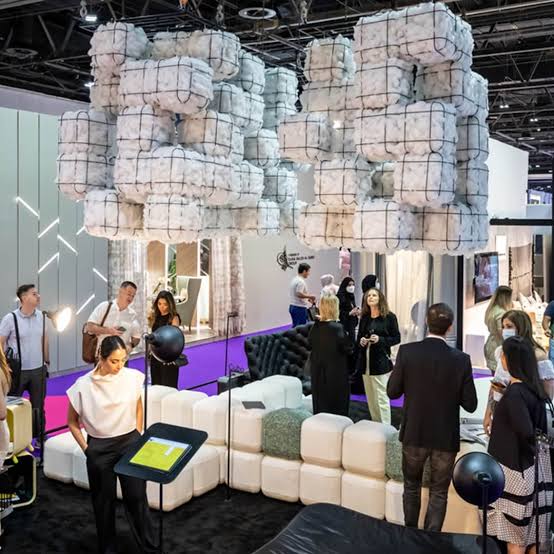
Interior designers, architects, developers, procurement specialists and international product manufacturers will gather at Dubai World Trade Centre from 1 to 3 June 2027 when INDEX celebrates 40 years of connecting the Middle East and North Africa’s design industry.
Launched in 1987, INDEX has grown alongside the extraordinary transformation of the region’s hospitality, residential, commercial and retail sectors.
The 2027 exhibition will showcase products from more than 500 brands representing over 40 countries.
Ten major product categories cover almost every stage of interior development, from furniture and fabrics to kitchens, bathrooms, surfaces, flooring, home automation and modular structures.
The event also runs alongside The Hotel Show and WORKSPACE, creating a much broader sourcing environment for the design, hospitality and commercial-interiors industries.
For professionals responsible for creating the interiors of hotels, homes, offices, restaurants and retail spaces, INDEX offers three concentrated days of product discovery and business networking.
Forty Years Mirrors Dubai’s Own Design Evolution
INDEX began in 1987, when the region’s built environment looked dramatically different.
Since then, cities across the Gulf have developed extraordinary skylines.
Luxury hospitality has expanded.
Master-planned residential communities have emerged.
Shopping centres have grown.
International architects and designers have established regional studios.
Local design talent has developed.
The interiors industry supporting these projects has grown alongside them.
That makes the 40-year milestone particularly meaningful.
The exhibition’s history overlaps with much of the transformation that made Dubai one of the world’s most active design and construction markets.
More Than 500 Brands From 40+ Countries
The international exhibitor mix allows buyers to compare very different approaches to design.
Italian furniture manufacturers may showcase craftsmanship.
Asian suppliers can demonstrate large-scale manufacturing.
Regional companies bring products designed specifically for Gulf projects.
Technology firms introduce smart-home systems.
Material companies present surfaces and finishes.
For designers, this provides access to products that might otherwise require visiting several international exhibitions.
For manufacturers, INDEX provides entry into a market containing enormous project pipelines.
Furniture Remains a Core Category
Furniture may be the most immediately visible part of an interior.
Sofas.
Tables.
Chairs.
Beds.
Cabinetry.
Contract furniture.
The requirements vary dramatically by project.
A luxury villa can prioritise individuality and craftsmanship.
A hotel needs products capable of surviving intensive use.
An office requires ergonomics and flexibility.
Restaurants need seating that supports both design and operational efficiency.
Professional buyers therefore evaluate more than appearance.
Lead times matter.
Durability matters.
Fire ratings may matter.
Customisation matters.
The supplier’s ability to deliver large orders consistently can determine whether a product is suitable for a commercial project.
Fabrics Define How Spaces Feel
Furnishing fabrics influence colour, texture, comfort and acoustic performance.
Curtains can change how natural light enters a room.
Upholstery defines furniture character.
Acoustic fabrics can help control sound.
Hotels require textiles capable of meeting commercial standards.
High-traffic environments need durability.
Designers therefore select fabrics visually and technically.
Sustainability is also becoming increasingly important as clients ask where materials came from and how they were produced.
Fit-Out Turns Design Concepts Into Physical Spaces
A beautiful rendering is only the beginning of an interior project.
Fit-out contractors turn drawings into real environments.
Walls need construction.
Joinery needs fabrication.
Lighting requires installation.
Flooring must be laid.
Mechanical and electrical systems need coordination.
Furniture needs placement.
The final result depends heavily on execution.
Poor fit-out can undermine excellent design.
This makes contractors and specialist manufacturers essential parts of the INDEX ecosystem.
Lighting Is Both Functional and Emotional
Lighting can completely change how the same room feels.
Warm lighting can create intimacy.
Bright uniform lighting may support a workplace.
Accent lighting highlights architecture.
Hotels use lighting to build atmosphere.
Retailers use it to direct attention toward products.
Modern lighting also integrates with automation systems.
Designers increasingly need to understand both aesthetics and technology.
Kitchen Design Has Become More Sophisticated
Kitchens are increasingly important within residential and hospitality design.
Open-plan homes turn kitchens into visible living spaces.
Premium appliances influence layout.
Storage systems are becoming more intelligent.
Materials need to resist heat, moisture and intensive cleaning.
Hotel and restaurant kitchens face additional commercial requirements.
INDEX’s Kitchen & Bathroom category gives designers access to the products needed for both practical performance and aesthetic consistency.
Bathrooms Are Becoming Wellness Spaces
Bathrooms were once treated primarily as functional rooms.
Luxury design increasingly approaches them as wellness environments.
Freestanding baths.
Advanced showers.
Spa-inspired materials.
Intelligent toilets.
Integrated lighting.
Water-saving fixtures.
Hospitality projects use bathrooms as important differentiators.
A memorable bathroom can influence how guests perceive an entire hotel room.
Residential developers also use premium bathrooms to position properties within higher market segments.
Surfaces Influence Both Performance and Appearance
Flooring, stone, ceramics and wall surfaces define much of an interior’s visual character.
They also need to perform.
A hotel lobby experiences enormous foot traffic.
A restaurant floor needs to resist spills.
Bathrooms require water resistance.
Commercial buildings have fire and durability requirements.
Designers therefore need to combine aesthetic preference with technical specifications.
INDEX gives them the opportunity to handle materials physically rather than judging everything through digital photographs.
Home Automation Is Becoming Mainstream
Smart-home technology is moving beyond luxury novelty.
Lighting controls.
Automated curtains.
Climate systems.
Security.
Entertainment.
Access control.
Energy management.
Consumers increasingly expect some level of connectivity in premium residential projects.
The challenge is integration.
A home containing ten intelligent systems that do not communicate can become frustrating rather than smart.
Designers therefore need to think about technology early instead of adding devices after interiors are finished.
AI Is Entering the Design Process
INDEX Design Talks for 2027 explicitly includes innovation powered by AI among its central themes.
Artificial intelligence can already support concept generation.
Designers can create rapid visualisations.
Software may help test layouts.
Image-generation tools allow ideas to be communicated earlier.
But design involves more than producing attractive pictures.
Materials need to exist.
Furniture needs realistic dimensions.
Building codes apply.
Budgets matter.
Human behaviour matters.
The strongest designers will probably use AI as an accelerator while retaining professional judgement.
Cultural Intelligence Is Becoming More Important
Global design can sometimes become visually homogeneous.
The same materials and styles appear in hotels across multiple continents.
The 2027 programme places greater attention on cultural identity.
Designers increasingly seek ways to create environments connected with local context.
This does not necessarily mean copying traditional styles.
Materials, patterns, crafts and spatial concepts can be interpreted in contemporary ways.
Successful regional design can feel modern without losing identity.
Biophilic Design Continues to Grow
Nature is becoming a stronger influence on interior design.
Plants.
Natural light.
Organic materials.
Views.
Water features.
Natural patterns.
Biophilic design attempts to strengthen the relationship between people and nature within built environments.
In dense cities where people spend much of the day indoors, this connection can influence wellbeing.
Developers also increasingly use greenery as a commercial selling point.
Wellbeing Is Changing Design Priorities
A successful interior should do more than photograph well.
People need to feel comfortable inside it.
Acoustics matter.
Air quality matters.
Lighting affects experience.
Furniture influences posture.
Privacy affects concentration.
Spaces need to support different activities.
The workplace sector has already moved strongly in this direction.
Hospitality and residential design are following.
Sustainability Influences Material Selection
Designers are increasingly asked to specify materials with lower environmental impact.
Recycled content.
Certified wood.
Lower-emission finishes.
Locally sourced materials.
Products designed for reuse.
But sustainability claims need verification.
Terms such as “eco-friendly” can be used loosely.
Professional specifiers increasingly request documentation rather than accepting marketing language.
Modular Structures Join the Product Mix
INDEX includes modular structures among its ten categories.
Prefabrication can reduce certain construction times.
Components can be manufactured under controlled conditions before being assembled on site.
Portable homes and modular units can serve hospitality, residential and commercial applications.
The approach is particularly interesting in markets where speed of development matters.
It can also reduce some types of construction waste.
Architectural Hardware Is Easy to Overlook
Handles, hinges, locks and other hardware may appear like tiny design details.
They are touched constantly.
Poor hardware quickly becomes noticeable.
Luxury projects therefore pay significant attention to these components.
Durability is essential.
Finish quality matters.
Technology is also entering the category through electronic access systems and smart locks.
Small details can have a surprisingly large influence on how premium a space feels.
Luxury Hospitality Drives Regional Design Demand
The Gulf continues developing high-end hotels and resorts.
These projects require enormous quantities of furniture, lighting, surfaces, fabrics and decorative products.
Hotel designers also face strict brand standards.
A room needs visual identity while remaining practical to maintain.
Public areas need to create memorable impressions.
INDEX gives international suppliers direct exposure to these large project opportunities.
Residential Development Creates Another Huge Market
The region’s residential pipeline is equally important.
New villas.
Apartments.
Branded residences.
Luxury towers.
Master-planned communities.
Each project requires interior products.
Premium developers increasingly use interior design as a point of differentiation.
Buyers expect more sophisticated materials, kitchens, bathrooms and smart-home technology.
This raises the standard across the supply chain.
INDEX Design Talks Adds Industry Insight
The exhibition is supported by INDEX Design Talks, where designers and industry leaders discuss the forces shaping interiors.
The 2027 themes include cultural intelligence, wellbeing, storytelling, AI-led innovation and future cities.
These conversations matter because design trends are influenced by broader social changes.
How people work changes office design.
Technology changes homes.
Wellness changes hotels.
Urbanisation changes residential expectations.
A product exhibition shows what is available.
Design Talks explores why those products might matter.
Commercial Success Depends on Specification
INDEX describes its audience as specification-led.
That distinction is important.
An interior designer may select a product years before a project opens.
Architects can influence which materials are approved.
Procurement companies later purchase according to those specifications.
Manufacturers therefore need relationships with designers long before final orders appear.
Trade exhibitions provide an opportunity to enter that process early.
Three Shows Create a Complete Ecosystem
INDEX runs alongside The Hotel Show and WORKSPACE.
The combination connects residential, hospitality, workplace and commercial design within the same venue.
A designer working on a mixed-use development may need products relevant to all three shows.
A manufacturer can meet several types of buyer.
Developers can build more efficient sourcing schedules.
The co-location makes DWTC a broad interiors marketplace rather than three isolated exhibitions.
Forty Years — and Design Is Still Changing
Interior design never stands still.
Colours change.
Materials change.
Technology changes.
People change how they live and work.
Sustainability introduces new constraints.
AI introduces new tools.
Regional identity becomes more important.
What looked futuristic twenty years ago may now feel ordinary.
INDEX has survived four decades because it has moved with those changes.
From 1 to 3 June 2027, more than 500 brands from over 40 countries will once again gather at Dubai World Trade Centre to show what may define the next generation of spaces.
The products will range from enormous modular structures to tiny pieces of architectural hardware.
Together, they answer one much larger question:
What should the places where we live, work, stay and socialise feel like next?