

Airport Show 2026 Celebrates 25 Years of Aviation Innovation at Dubai World Trade Centre
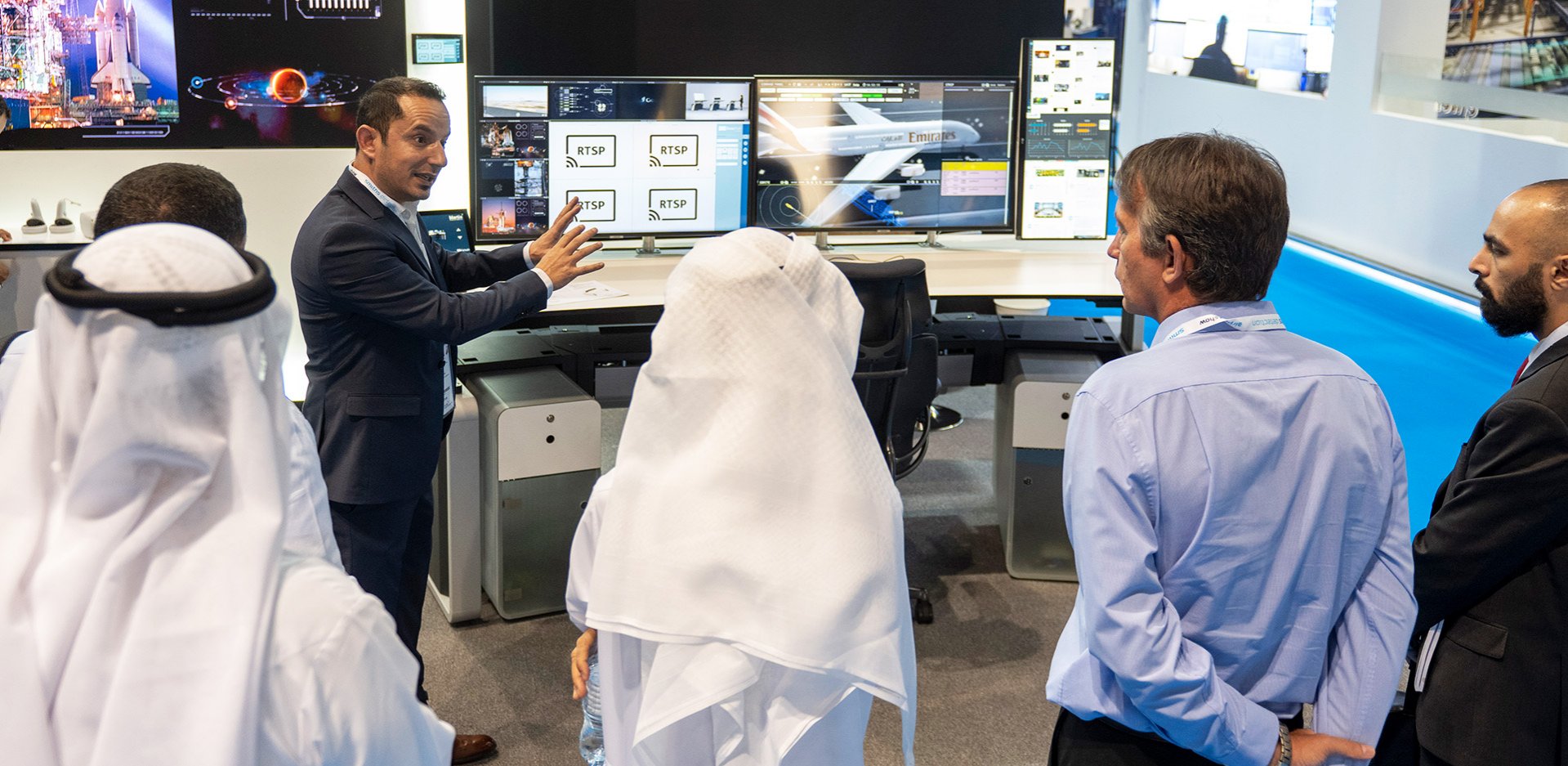
The global aviation industry will gather in the UAE from 12 to 14 October 2026 when Airport Show returns to Dubai World Trade Centre for its 25th edition.
Originally planned for May, the exhibition was rescheduled to October while keeping its Dubai World Trade Centre venue.
The three-day trade event brings airport operators, technology companies, infrastructure providers, government officials and aviation decision-makers together to examine how airports are changing.
The 2026 edition is expected to feature around 150 exhibiting participants from more than 20 countries, while the organiser is targeting more than 6,000 industry decision-makers.
Airport Show also runs alongside several specialist conferences and forums, including the Global Airport Leaders’ Forum and Women in Aviation Middle East.
Together, they create one of the region’s most important meeting points for the airport industry.
Twenty-Five Editions Reflect Dubai’s Aviation Growth
Airport Show’s 25th edition is a significant milestone.
The event has developed during a period when aviation across the Gulf has expanded dramatically.
Airlines based in the region have become global players.
Airport infrastructure has grown.
Passenger numbers have increased.
New terminals have opened.
Technology has become more central to airport operations.
At the same time, Dubai has developed into one of the world’s most important aviation hubs.
That relationship makes the city a natural setting for an airport-industry exhibition.
Delegates are not simply discussing theories about airport growth.
They are meeting within a region where some of the world’s most ambitious aviation infrastructure projects are actively taking shape.
The Event Runs From October 12 to 14
Airport Show takes place across Halls 1 and 2 at Dubai World Trade Centre.
The event runs from 10am to 5pm on all three days.
It is a professional B2B exhibition rather than a general consumer air show.
Visitors should therefore expect equipment, technology, infrastructure and business discussions rather than flying displays.
The audience includes airport operators, civil aviation authorities, airlines, architects, consultants, engineers, security specialists, technology companies and service providers.
For exhibitors, these visitors represent potential buyers and partners.
For airport executives, the show provides a way to compare solutions from numerous suppliers without arranging separate meetings around the world.
Airport Technology Is Becoming More Intelligent
Modern airports are increasingly complex technology environments.
A passenger may see check-in counters, security lanes and baggage belts.
Behind those visible areas sits a much larger digital system.
Passenger information needs to move between platforms.
Baggage must be tracked.
Aircraft need gates.
Security systems analyse activity.
Operations teams monitor disruptions.
Ground handlers coordinate services.
Data connects almost every part of the airport.
Artificial intelligence is now becoming part of that environment.
AI can help forecast passenger flows.
Computer vision can support security or queue analysis.
Predictive systems can identify maintenance issues.
Automation can help allocate airport resources.
The challenge is integrating these technologies without making operations more complicated.
Biometrics Could Change the Passenger Journey
One of the biggest aviation technology trends involves biometric identity.
Traditional airport journeys involve repeated checks.
Show passport.
Show boarding pass.
Repeat.
Biometric systems aim to reduce some of those interruptions by connecting a passenger’s verified identity with facial-recognition technology.
In theory, travellers could move through several airport stages with less physical documentation.
This can improve convenience.
It also raises serious privacy and cybersecurity questions.
Airports need to protect highly sensitive information.
Systems must work reliably across different nationalities and passenger groups.
Regulators need appropriate frameworks.
Technology providers at Airport Show will be addressing exactly these kinds of challenges.
Baggage Handling Remains a Massive Engineering Problem
Passengers usually notice baggage systems only when something goes wrong.
Behind the scenes, luggage moves through one of the most complicated logistics environments in travel.
Thousands of bags may need to be processed within short periods.
Each bag must reach the correct flight.
Transfer baggage may need to move between distant terminals.
Security screening needs to occur.
Tracking information needs to remain accurate.
Automation is increasing throughout this process.
Robotics, intelligent sorting systems and digital tracking can improve efficiency.
But reliability is critical.
A small technical problem can affect thousands of passengers.
Airport Show gives operators an opportunity to compare new baggage-handling solutions directly.
Ground Handling Is Becoming More Automated
Once an aircraft reaches the gate, a complex sequence begins.
Baggage is unloaded.
Cargo may be transferred.
Catering arrives.
Cleaning teams enter.
Passengers disembark.
Fuel may be added.
New passengers board.
The aircraft needs to leave again on schedule.
Ground-handling efficiency directly affects airline punctuality.
Automation is beginning to change these operations.
Electric ground-support vehicles are becoming more common.
Autonomous systems are being tested.
Digital platforms help coordinate teams.
Better data can reduce delays.
The companies providing these systems form an important part of Airport Show.
Sustainability Is Moving Higher on the Agenda
Aviation faces significant pressure to reduce environmental impact.
Airlines receive much of the attention, but airports also have a major role.
Terminal buildings consume energy.
Ground vehicles produce emissions.
Water needs to be managed.
Waste must be processed.
Aircraft movement on the ground affects fuel use.
Airport operators are therefore investing in solar power, efficient buildings, electric vehicles and smarter operational systems.
Sustainability is no longer simply a reputation project.
Energy efficiency can reduce costs.
Environmental requirements are also becoming stricter.
The business case and climate case are increasingly connected.
Future Airports May Need Different Designs
Passenger numbers are expected to continue growing across many emerging markets.
Simply making existing terminals larger may not always be enough.
Airport designers need to reconsider how people move through facilities.
Automation can change how much space is needed for check-in.
Biometric processing may change immigration layouts.
New retail models affect commercial space.
Premium travel creates demand for lounges.
Airports need enough flexibility to adopt technology that may not exist when construction begins.
This is particularly important because major airport projects can take years or decades from planning to completion.
The Global Airport Leaders’ Forum Returns
Airport Show is co-located with the 13th Global Airport Leaders’ Forum.
The forum brings airport executives, government representatives and aviation specialists together to discuss strategic issues affecting the industry.
Topics include sustainable aviation growth, airport development, technology, security and operations.
This conference element matters because exhibitions and leadership forums serve different purposes.
The exhibition answers, “What solutions exist?”
The forum asks, “What problems should the industry solve?”
Combining the two creates a more complete event.
Airport Security Middle East Addresses a Constant Challenge
Airports are critical infrastructure.
Security threats evolve continuously.
Physical security remains important.
Cybersecurity is becoming equally significant.
Modern airports depend on interconnected systems.
A digital attack can potentially affect operational technology, passenger information or business systems.
Airports therefore need layered security.
Technology alone cannot solve the problem.
Training, processes, intelligence and cooperation between agencies all matter.
The co-located security programme gives specialists a dedicated environment to discuss these issues.
Air Traffic Management Is Under Pressure
Growing passenger numbers mean more flights.
More flights create pressure on airspace.
Air traffic control systems need to handle traffic safely while minimising delays.
Digital technologies may improve route planning and information sharing.
Future urban air mobility could create additional complexity as new vehicle types enter controlled airspace.
Airports and regulators therefore need to think beyond current traffic levels.
The ATC Forum provides a dedicated platform for these discussions.
Women in Aviation Middle East Highlights Talent Development
The Women in Aviation Middle East Conference also takes place alongside Airport Show.
The programme brings female aviation leaders together with students and professionals interested in the sector.
This addresses an important industry challenge.
Aviation requires large numbers of skilled employees.
Pilots receive the most public attention, but the sector also needs engineers, airport managers, technology specialists, air traffic professionals and many other roles.
Expanding participation helps create a stronger talent pipeline.
Visible role models can influence career choices.
More Than 140 Innovation Providers Are Expected
Airport Show is promoting participation from more than 140 leading innovators and solution providers across multiple airport sectors.
This allows visitors to move from broad strategic discussions into specific technologies.
Airport infrastructure.
Construction.
Airfield systems.
Navigation.
Digital technology.
Security.
Ground handling.
Passenger services.
Commercial operations.
Each area represents a specialised industry of its own.
Bringing them together demonstrates how complicated a modern airport really is.
Business Connect Focuses on Actual Meetings
Trade exhibitions often struggle with one problem: people attend, collect brochures and leave without having meaningful conversations.
Airport Show’s Business Connect programme is designed to address this.
Participants can identify relevant companies and arrange meetings before arriving.
That makes the three-day event more efficient.
A supplier can target airport executives interested in its product category.
An airport operator can schedule meetings with potential technology partners.
Structured matchmaking becomes especially valuable when thousands of people are attending.
Dubai’s Aviation Expansion Adds Urgency
The timing of Airport Show is particularly interesting given the enormous aviation investments taking place across the region.
Dubai’s aviation infrastructure continues evolving.
Gulf airlines are expanding fleets.
Saudi Arabia is investing heavily in new aviation capacity.
Airports across India, Africa and other emerging markets are growing.
That means suppliers are not gathering in a stagnant industry.
Large contracts and infrastructure programmes are actively developing.
For companies selling airport systems, the MEASA region represents a major commercial opportunity.
The Passenger Experience Is Becoming a Competitive Advantage
Airports once focused primarily on processing passengers safely.
That remains essential.
But passenger experience has become increasingly important.
Travellers compare airports.
Long queues damage reputation.
Poor wayfinding creates frustration.
Limited food or retail options affect satisfaction.
Fast connections and simple processes can make passengers prefer particular hubs.
Technology providers increasingly design solutions around that complete journey.
Airport operators now think like service businesses as well as infrastructure managers.
Aviation’s Next 25 Years May Look Very Different
The first 25 editions of Airport Show coincided with enormous change.
Digital check-in expanded.
Smartphones transformed travel.
Biometrics emerged.
Airports became retail destinations.
Security changed dramatically after major global events.
The next 25 years may bring even larger shifts.
Artificial intelligence.
Greater automation.
Electric ground fleets.
New aircraft technologies.
More biometric processing.
Potential urban air mobility.
Different sustainability requirements.
The airport of 2050 may operate very differently from the airport of 2026.
That makes the 25th edition an interesting moment to take stock.
Three Days Focused on the Airport of the Future
From 12 to 14 October, Dubai World Trade Centre will become a meeting point for the companies, governments and aviation professionals building the next generation of airports.
Some will be discussing enormous infrastructure projects.
Others will demonstrate specialised technology.
Executives will debate sustainability.
Engineers will examine operational systems.
Students will explore aviation careers.
Business partnerships will be negotiated.
The exhibition may last only three days, but airport investment decisions can influence infrastructure for decades.
That long-term perspective is what makes Airport Show 2026 especially important.
It is not simply displaying what airports use today.
It is helping decide what airports will become tomorrow.